Do I Really Need a Crown? When It Is Necessary
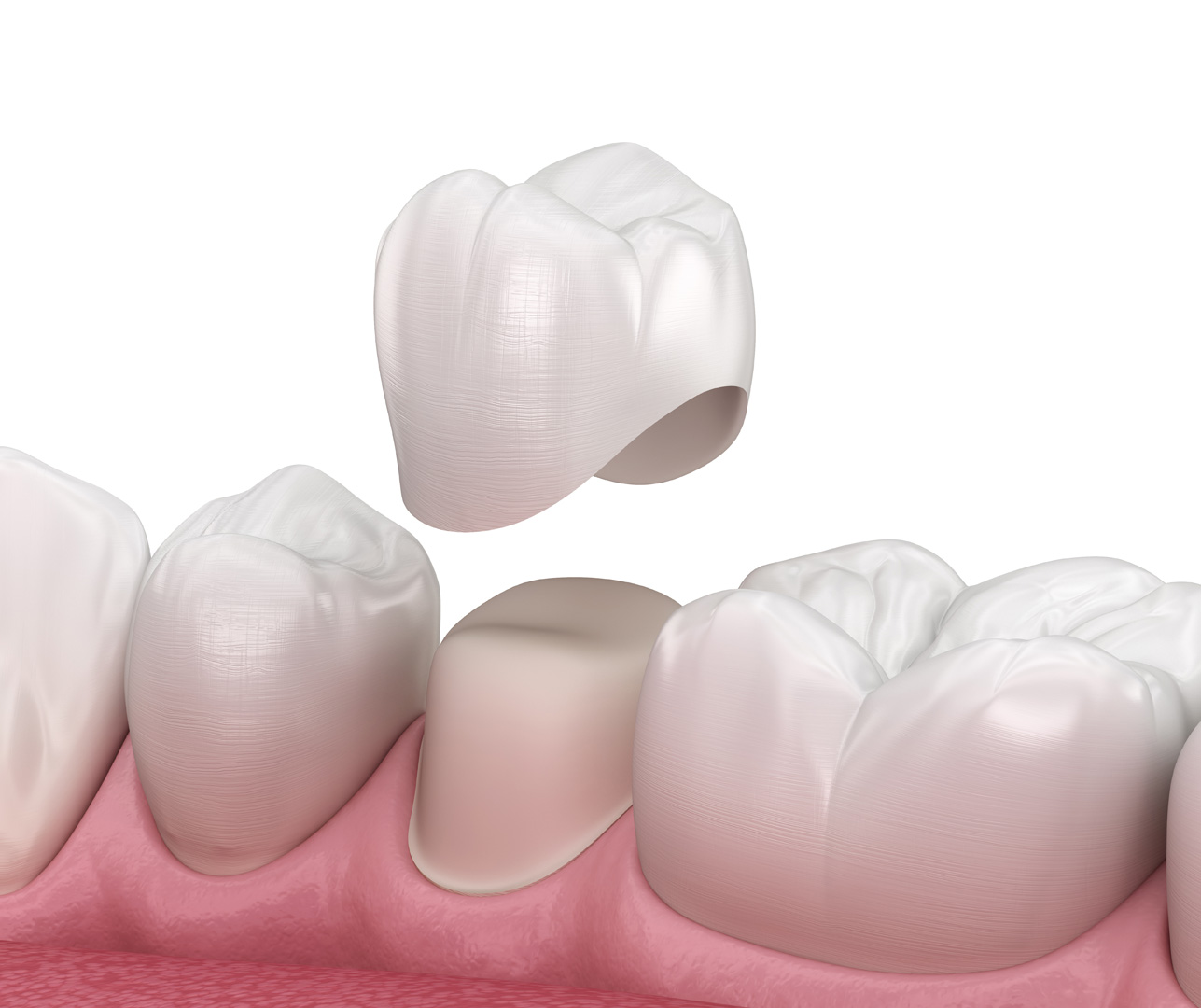
Learn when a dental crown is truly necessary versus when a filling or other treatment might suffice. Get expert guidance on avoiding unnecessary crown procedures.
Reviewed by the toothcheck Dental Team Independent dentist providing online second opinions.
Being told you need a crown can be confusing — especially when the tooth doesn't hurt or the dentist didn't explain the reason clearly.
Crowns are one of the most commonly recommended (and expensive) dental treatments. According to the ADA's clinical practice guidelines, crowns are indicated when a tooth cannot be adequately restored with a direct filling — but the threshold for "adequately" is where dentists often disagree.
"Do I really need this, or is there another option?"
This guide breaks down exactly when a crown is medically necessary, common situations where a filling is enough, and how to know if you should get a second opinion before agreeing to treatment.
If your dentist recommended this treatment and you're unsure, an online dental second opinion can help you decide with confidence.
Quick Answer: You Only Need a Crown When the Tooth Cannot Be Reliably Restored With a Filling
A crown may be necessary when:
- More than 50% of the tooth structure is missing
- There is a large fracture or deep crack
- You already had a root canal
- You have a very large, old filling that is breaking
- The tooth is structurally weak and at risk of future fracture
Crowns are not needed for:
- Small or medium cavities
- Minor cracks
- Cosmetic reasons only
- Sensitivity
- Early wear or erosion
- Teeth with stable fillings
Most borderline crown recommendations deserve a second opinion.
When a Dental Crown Is Actually Necessary
1. The Tooth Has a Large Break or Deep Crack
If more than half the tooth has fractured or a crack runs into the root, the tooth needs full coverage support.
2. The Tooth Has a Very Large Filling
Old silver or composite fillings that take up a big portion of the tooth can weaken it.
If the filling is:
- Over 10 years old
- Cracked
- Recurrent decay is present
→ A crown is often the safest choice.
3. After a Root Canal Treatment
Root-canal-treated teeth are more brittle. A crown is almost always recommended (especially on molars) to prevent fracture.
4. The Tooth Is Structurally Failing
If the walls of the tooth are very thin, a crown provides the strength a filling can't.
5. There Is Recurrent Decay Under a Large Filling
If bacteria have leaked under an old filling and caused extensive decay, a new filling may not be strong enough.
When a Crown Is Not Needed — Most Common Overdiagnoses
These are extremely frequent reasons dentists incorrectly recommend crowns:
1. Small or Medium Cavities
Many adults are told they need a crown for decay that could easily be treated with a filling.
If the cavity is not huge, a crown is excessive.
2. Minor Cracks
Tiny "craze lines" in enamel are normal and NOT dangerous.
Most small cracks do not require crowns.
3. Cosmetic Imperfections
Color issues, minor shape concerns, and mild wear can often be fixed with bonding or veneers.
4. Mild Sensitivity
Sensitivity alone rarely means the tooth is weak.
5. A Shadow on an X-Ray
One of the most common reasons for misdiagnosis.
Not all shadows indicate structural danger — some are:
- Old fillings
- Overlapping anatomy
- Normal bone curvature
- Early decay that can be filled
6. Because "You'll Need One Eventually"
Some dentists take a preventative approach even when the tooth is still strong enough for a filling.
If the tooth still has plenty of structure, "eventually" is not a reason to crown it today.
How to Read a Crown Recommendation on an X-Ray
(Even without images)
A crown recommendation makes sense when:
- More than half the tooth is filling
- A crack is clearly visible and extends past enamel
- The tooth wall is extremely thin
- Decay is large and close to the nerve
- A root canal was previously done
A crown recommendation is questionable when:
- The shadow is small and far from the nerve
- The filling only covers 20–40% of the tooth
- No fracture is visible
- The tooth has never hurt
- You were not shown the X-ray clearly
If you weren't given visual proof, ask for a second opinion. Here's what to say: "Can you show me on the X-ray exactly why a filling won't work here?" A good dentist will take two seconds to point it out. A dentist who brushes off the question may not have a clear answer.
Common Signs a Crown Recommendation May Be Unnecessary
- The dentist didn't show you the X-rays
- Treatment was recommended very quickly
- You were given multiple large, expensive treatments at once
- No symptoms or cracks were explained
- The tooth still feels completely normal
- The dentist said "just to be safe" or "to prevent future issues"
- You've only had that dentist for a short time
These are all strong signals to get your case reviewed independently.
What Are the Alternatives to a Crown?
In many cases, these simpler treatments work just as well:
A Dental Filling
Great for small to medium cavities.
An Inlay or Onlay
Partial coverage restoration — less invasive and often enough.
Bonding
Ideal for small chips or cracks.
Watch-and-Wait
Minor issues can be monitored safely over time with regular X-rays.
Bite Adjustment
Chewing pain often comes from bite issues, not structural problems.
Many patients avoid unnecessary crowns with these options.
When You Should Get a Second Opinion
You should always seek another evaluation when:
- You were told you need multiple crowns at once
- You don't have any pain or symptoms
- Cracks weren't clearly shown
- The X-ray explanation wasn't convincing
- The dentist seemed rushed
- The cost feels high ($800–$2,500 is typical in the US — for a state-by-state and international comparison see How Much Does a Dental Crown Cost in 2026?)
A crown is irreversible — once done, the tooth is permanently reshaped. Getting another dentist to review the case is reasonable and smart.
How an Online Second Opinion Helps
At ToothCheck, an experienced dentist can review your:
- X-rays
- Photos of the tooth
- Symptoms
- Proposed treatment plan
You receive:
- A clear "yes" or "no"
- Recommended alternative treatments (if any)
- Explanation of X-rays in simple language
- Urgency level
- Confidence score
Most patients get their results in under 72 hours.
FAQ
Can I wait before getting a crown?
Often yes. If the tooth has no pain, waiting days or weeks is generally fine.
Is a cracked tooth always an emergency?
Only deep cracks. Most small cracks can be monitored.
Does a crown stop tooth pain?
Only if the cause is structural. Pain from gums or bite issues won't improve with a crown.
Can crowns fail?
Yes — crowns can crack, leak, or cause sensitivity if not done correctly.
Why do different dentists recommend different things?
Dentists vary in training, risk tolerance, and treatment philosophy.
Final Advice: Don't Rush Into a Crown
Crowns are valuable, but they are also over-prescribed.
If you're unsure:
Upload your X-rays at ToothCheck. Get a verified second opinion from an independent dentist in under 72 hours.
A clear explanation can save you hundreds of dollars — and unnecessary treatment.
Still unsure? Your pain might be from a cracked tooth — see Tooth Hurts When Chewing.
Need clarity about your dental diagnosis?
Upload your X-rays to ToothCheck and get a verified second opinion in under 72 hours.
Last medically reviewed: January 2025