Tooth Pain That Comes and Goes: When to Worry
Understand why your tooth pain comes and goes, what causes intermittent tooth pain, and when it requires immediate attention versus when you can safely get a second opinion.
Reviewed by the toothcheck Dental Team Independent dentist providing online second opinions.
If your tooth pain comes and goes, you're not imagining things — and you're not alone.
Intermittent tooth pain is one of the most common and most misunderstood dental symptoms, and it often leads to unnecessary or rushed treatment recommendations.
In many cases, pain that appears suddenly and then disappears is not a dental emergency and does not automatically mean you need a root canal or crown.
This guide explains the most common causes of intermittent tooth pain, how dentists diagnose it, and when it's smart to get a second opinion before agreeing to treatment.
Quick Answer
Tooth pain that comes and goes is usually caused by bite issues, cracks, gum inflammation, or early decay — not a dying nerve.
Pain from a true nerve infection is usually:
- Constant
- Progressive
- Worse at night
- Associated with swelling
Intermittent pain behaves differently.
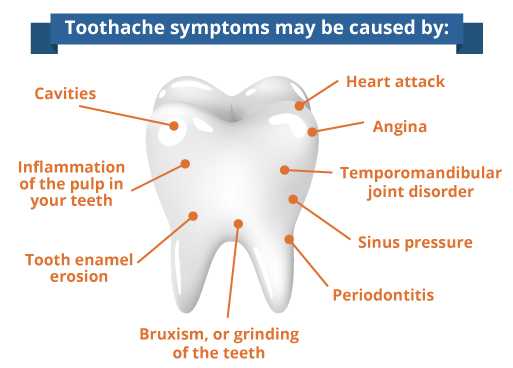
Common Causes of Tooth Pain That Comes and Goes
Below are the most frequent reasons dentists see this symptom, ranked by likelihood.
1. High Bite (Very Common, Often Missed)
If your tooth hurts only when you bite down — especially after dental work — the bite may be slightly off. This is similar to the pain described in Tooth Hurts When Chewing — Causes & When to Get a Second Opinion.
Signs:
- Pain only when chewing
- Pain started after a filling or crown
- Tooth feels "taller" than others
- Pain improves when you avoid that side
Treatment:
- Simple bite adjustment (takes minutes)
- No drilling, no injections
This is one of the most overtreated causes of tooth pain.
2. Cracked Tooth or Cracked Filling
Small cracks can open and close under pressure, causing sharp pain that comes and goes.
Signs:
- Sharp pain when biting or releasing pressure
- Pain is inconsistent
- Pain triggered by hard or crunchy foods
Treatment depends on crack depth:
- Minor crack → filling or bonding
- Moderate crack → onlay or crown
- Deep crack → more advanced treatment
Not all cracks require crowns or root canals.
3. Gum Inflammation or Food Trapping
Inflamed gums can create pressure pain that feels like it's coming from the tooth.
Signs:
- Pain near the gumline
- Bleeding when flossing
- Pain improves after cleaning
Treatment:
- Improved flossing
- Professional cleaning
- Saltwater rinses
No major dental treatment needed.
4. Early or Moderate Tooth Decay
Cavities that haven't reached the nerve can cause occasional pain, especially with chewing or sweets.
Important:
- Early decay usually needs a filling, not a root canal
- Pain may come and go for months
5. Sinus Pressure (Upper Teeth Only)
Your upper back teeth sit directly below the sinus cavity.
Signs:
- Pain affects multiple upper teeth
- Worse with allergies or colds
- Pressure when bending forward
Treat the sinus issue first — dental treatment is often unnecessary.
6. Teeth Grinding or Clenching
Grinding places repeated stress on teeth and the surrounding ligament.
Signs:
- Morning jaw soreness
- Tooth pain without visible decay
- Worn or flattened teeth
Treatment:
- Nightguard
- Stress management
- Bite evaluation
When Intermittent Pain Is Unlikely to Be a Root Canal Issue
Root canal pain typically includes:
- Constant throbbing
- Pain that wakes you up at night
- Lingering heat sensitivity
- Swelling or pus
- Pain that worsens over time
If your pain:
- Comes and goes
- Is only triggered by chewing
- Disappears for days or weeks
→ a root canal is usually not the first or best solution.
For more information about when a root canal is truly necessary, see Do I Really Need a Root Canal?.
Why This Symptom Is Often Misdiagnosed
Intermittent tooth pain is challenging because:
- X-rays don't show cracks well
- Bite problems are often overlooked
- Dentists may treat "just in case"
- Time pressure in busy clinics
This leads to overtreatment, especially crowns and root canals that may not have been necessary.
How Dentists Properly Diagnose Intermittent Tooth Pain
A thorough evaluation should include:
- Bite testing on individual cusps
- Cold sensitivity testing
- Tapping (percussion) test
- Bite alignment check
- X-ray review
- Review of recent dental work
If these steps weren't done, the diagnosis may be incomplete.
When You Can Safely Wait
You can usually monitor the tooth if:
- Pain is mild and infrequent
- No swelling is present
- No fever
- Pain is triggered only by chewing
- Symptoms improve on their own
Waiting does not usually cause harm in these cases.
When You Should Seek Prompt Care
Get dental care quickly if:
- Pain becomes constant
- Swelling appears
- Fever develops
- Pain spreads to the face or jaw
- You can't chew at all
These may indicate infection.
When to Get a Second Opinion
A second opinion is especially smart if:
- A root canal was recommended immediately
- You were told you need multiple treatments
- The diagnosis didn't match your symptoms
- You felt rushed or pressured
- You weren't shown clear X-rays
Intermittent pain is one of the top reasons patients benefit from an independent review.
If you're considering getting a second opinion, learn more about getting an online dental second opinion.
How ToothCheck Can Help
At ToothCheck, experienced dentists review:
- Your symptoms
- X-rays
- Treatment recommendations
You receive:
- Clear explanation
- Confirmation or alternatives
- Urgency guidance
- Confidence score
Most reviews are completed in under 72 hours.
FAQ
Why does my tooth hurt sometimes but feel fine other days?
Because many causes (bite issues, cracks, inflammation) are pressure-dependent.
Can this pain go away on its own?
Yes — especially if caused by bite or gum issues.
Should I avoid chewing on that side?
Yes, until the cause is identified.
Can X-rays miss the problem?
Yes — cracks and bite issues often don't show clearly.
Final Advice
Tooth pain that comes and goes is a warning sign — but the cause matters.
Before committing to irreversible dental treatment, it's reasonable to get clarity.
Upload your X-rays to ToothCheck and get an independent dental second opinion in under 72 hours.
Last medically reviewed: January 2025