Root Canal vs. Alternatives: When Each Treatment Makes Sense
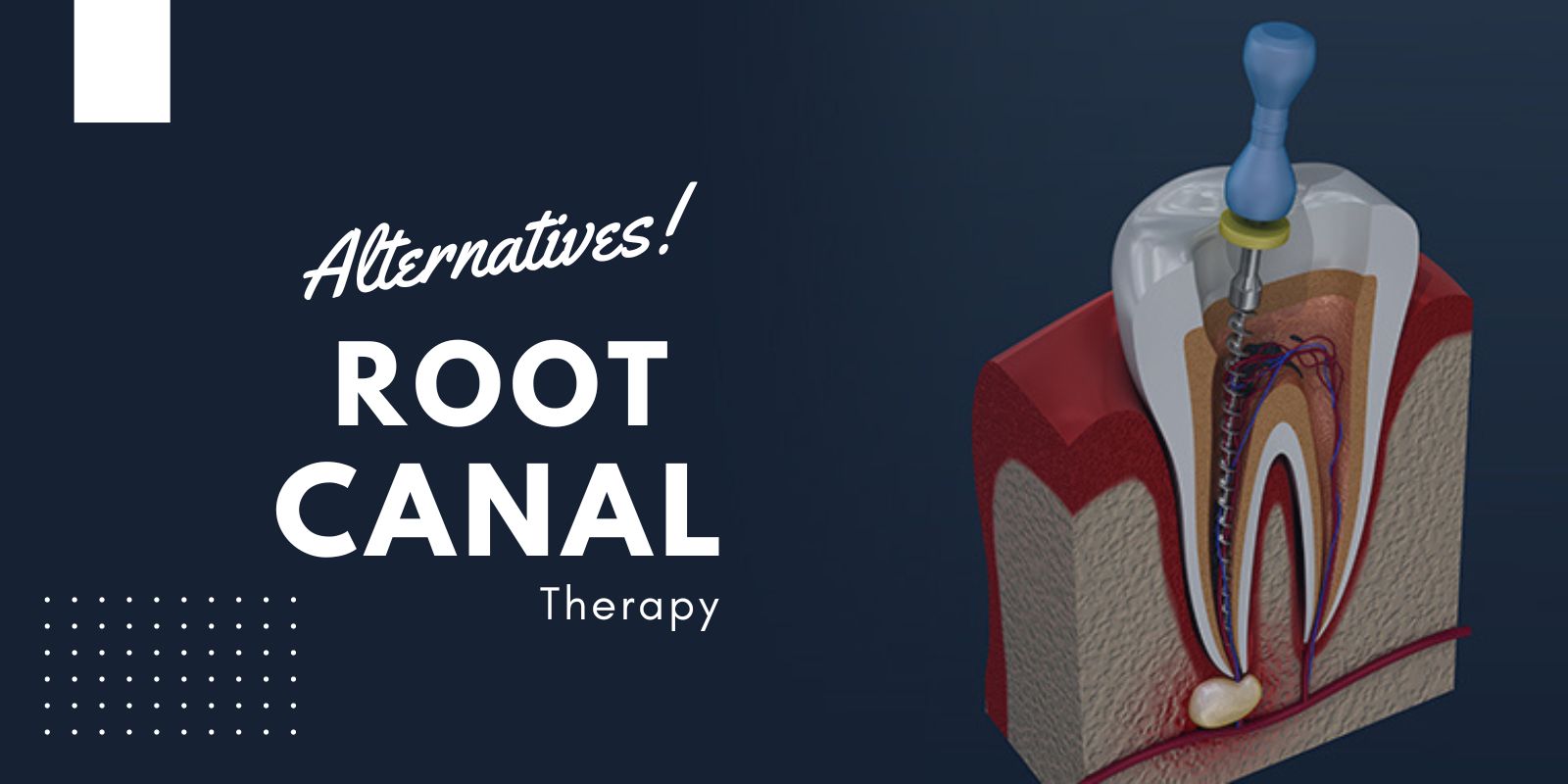
Should you get a root canal, or is there an alternative? Compare root canals vs. fillings, crowns, extraction, and monitoring to make the right decision for your tooth.
Reviewed by the toothcheck Dental Team Independent dentist providing online second opinions.
When your dentist recommends a root canal, it's natural to wonder: is there an alternative?
The answer depends on your specific situation. Root canals are the gold standard for saving infected teeth, but they're not always necessary — and in some cases, a simpler or different treatment is the better choice.
This guide compares root canals with every common alternative so you can have an informed conversation with your dentist and make the right decision.
Quick Answer: When You Do and Don't Need a Root Canal
A root canal is likely necessary when:
- The nerve (pulp) is confirmed infected or dead
- There's a visible abscess on X-ray
- You have severe, constant pain or swelling
An alternative may work when:
- Symptoms are mild or intermittent
- Decay hasn't reached the nerve
- Pain is from bite issues, not infection
- X-ray evidence is inconclusive
Root Canal vs. Filling
When a Filling Is Enough
A filling treats decay that hasn't reached the tooth's nerve. If caught early enough, a filling removes the decayed portion and seals the tooth — no nerve treatment needed.
Choose a filling when:
- Decay is shallow or moderate
- No nerve symptoms (spontaneous pain, temperature sensitivity lasting 20+ seconds)
- X-ray shows decay hasn't reached the pulp chamber
Choose a root canal when:
- Decay has penetrated to or very close to the nerve
- You have lingering pain after hot/cold exposure
- X-ray shows a dark area at the root tip
Cost Comparison
- Filling: $150–$400
- Root canal + crown: $1,800–$5,500
For more on whether a filling is sufficient, see Do I Really Need a Filling? A Dentist Explains.
Root Canal vs. Crown (Without Root Canal)
A crown alone — without a root canal — can save a tooth that's structurally compromised but has a healthy nerve.
Choose a crown alone when:
- The tooth is cracked or weakened but the nerve is healthy
- A large filling needs reinforcement
- No signs of infection on X-ray
Choose a root canal + crown when:
- Nerve symptoms are present
- Infection is confirmed
- A crack extends into the nerve
For more detail, see Do I Really Need a Crown? A Dentist Explains.
Root Canal vs. Extraction
Extraction (pulling the tooth) is always an option, but it creates new problems. The American Association of Endodontists (AAE) recommends saving natural teeth whenever possible because:
- Neighboring teeth can shift into the gap
- Jawbone deteriorates without a tooth root
- Replacement options (implants, bridges) are expensive
Choose extraction when:
- The tooth is too damaged to restore
- There's a vertical root fracture
- Advanced gum disease has destroyed supporting bone
- The root canal has a very poor prognosis
Choose a root canal when:
- The tooth can be saved with reasonable success
- You want to preserve your natural tooth
- The long-term cost is lower than extraction + replacement
Cost Comparison
- Root canal + crown: $1,800–$5,500
- Extraction: $150–$400
- Extraction + implant + crown: $3,000–$6,000+
- Extraction + bridge: $2,000–$5,000
In most cases, saving the tooth is both cheaper and better for long-term oral health.
Root Canal vs. Monitoring (Wait and Watch)
Sometimes the best treatment is no treatment — yet.
Monitoring is appropriate when:
- Symptoms are vague or intermittent
- X-ray findings are borderline
- The tooth responded normally to vitality tests
- There's no active infection
Monitoring is NOT appropriate when:
- There's confirmed infection (abscess on X-ray)
- Severe or worsening symptoms
- Swelling, fever, or drainage
Your dentist may recommend re-evaluating in 3-6 months. This is a legitimate approach, not avoidance — the ADA supports evidence-based conservative treatment when clinical findings are inconclusive.
Root Canal vs. Bite Adjustment
This comparison surprises many patients. Bite problems can mimic root canal symptoms:
- Pain when chewing
- Sensitivity to pressure
- Aching that comes and goes
A simple bite adjustment (equilibration) — reshaping the biting surface slightly — can resolve these symptoms without any drilling into the tooth.
Consider a bite adjustment when:
- Pain is only present when biting or chewing
- No spontaneous pain
- No X-ray evidence of infection
- Pain started after a new filling or crown
See Tooth Hurts When Chewing — Causes Dentists Miss for more on this.
Root Canal vs. Pulp Capping
Pulp capping is a less invasive procedure where the dentist places a protective material over an exposed or nearly exposed nerve to help it heal, rather than removing it entirely.
Choose pulp capping when:
- The nerve exposure is small and happened during a filling
- The nerve appears healthy (no infection)
- The patient is young (younger nerves heal better)
Choose a root canal when:
- The nerve is inflamed beyond recovery
- Infection is already present
- Pulp capping has already failed
Pulp capping has a success rate of about 80-90% when properly indicated, according to research published in the Journal of Endodontics.
How to Decide: Questions to Ask Your Dentist
Before agreeing to a root canal, ask:
1. "Is the nerve definitely infected, or could it recover?" 2. "What happens if we monitor this instead?" 3. "Would a filling or crown alone solve the problem?" 4. "What's the success rate for this specific tooth?" 5. "Can I see the evidence on my X-ray?"
If you're not satisfied with the answers, or the recommendation doesn't align with your symptoms, a second opinion is the smart next step.
FAQ
Can a tooth heal without a root canal? In some cases, yes. If the nerve is inflamed but not infected (reversible pulpitis), the tooth can recover with a filling or crown. Once the nerve is dead or infected (irreversible pulpitis), a root canal or extraction is needed.
Is extraction better than a root canal? Usually not. Root canals save your natural tooth, which is almost always preferable. Extraction only makes sense when the tooth can't be saved or has a very poor prognosis.
What's the success rate of root canals? About 85-97% according to the AAE, depending on the tooth and conditions. Molars and retreatments have slightly lower success rates.
Can antibiotics replace a root canal? No. Antibiotics can temporarily reduce infection, but they can't cure a dead or dying nerve. The infected tissue must be physically removed. Antibiotics are sometimes used alongside root canal treatment, not instead of it.
How do I know if I really need a root canal? The strongest indicators are: confirmed infection on X-ray, severe constant pain, prolonged temperature sensitivity, and swelling. If these aren't present, alternatives may be appropriate. See Dentist Says I Need a Root Canal — What Should I Do?
Final Advice
A root canal is the right treatment when infection is confirmed — but not every tooth pain means you need one. Before committing to an irreversible procedure:
- Understand exactly what's wrong and see the X-ray evidence
- Ask about alternatives
- Get a second opinion if anything feels uncertain
An online dental second opinion can review your X-rays and tell you whether a root canal is truly necessary — or if a simpler alternative makes more sense.
Last medically reviewed: April 2026