Tooth Pain Comes and Goes — What It Means & When to Worry
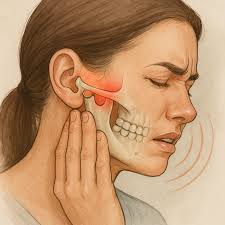
Understand why your tooth pain comes and goes, what causes intermittent tooth pain, and when it requires immediate attention versus when you can safely get a second opinion.
Tooth Pain Comes and Goes — What It Means & When to Worry
If your tooth pain comes and goes, you're not alone. Intermittent tooth pain is one of the most confusing dental symptoms because it doesn't follow a predictable pattern — and that unpredictability often leads to misdiagnosis.If your tooth pain comes and goes, you're not alone. Intermittent tooth pain is one of the most confusing dental symptoms because it doesn't follow a predictable pattern — and that unpredictability often leads to misdiagnosis.
Many patients are told they need expensive treatment (like a root canal or crown) when the actual cause is much simpler and less invasive to fix.Many patients are told they need expensive treatment (like a root canal or crown) when the actual cause is much simpler and less invasive to fix.
This guide explains why tooth pain comes and goes, what it typically means, and when you should worry versus when you can safely get a second opinion.This guide explains why tooth pain comes and goes, what it typically means, and when you should worry versus when you can safely get a second opinion.
Quick Answer: Intermittent Pain Usually Means the Problem Is Reversible — Not a Dying Nerve
When tooth pain comes and goes, it usually indicates:When tooth pain comes and goes, it usually indicates:
- The nerve is still alive and responding to triggers
- The problem is likely reversible (not requiring a root canal)
- The cause is often external (bite, crack, or sensitivity) rather than internal infection
Constant, severe pain that doesn't stop usually means the nerve is dying — that's when a root canal becomes necessary.Constant, severe pain that doesn't stop usually means the nerve is dying — that's when a root canal becomes necessary.
Intermittent pain is actually a good sign that simpler treatments may work.Intermittent pain is actually a good sign that simpler treatments may work.
Why Tooth Pain Comes and Goes: The Science Explained Simply
Tooth pain that comes and goes happens because:Tooth pain that comes and goes happens because:
The nerve is still healthy — A healthy nerve responds to triggers (cold, pressure, heat) and then calms down. A dying nerve throbs constantly.The nerve is still healthy — A healthy nerve responds to triggers (cold, pressure, heat) and then calms down. A dying nerve throbs constantly.
The problem is intermittent — Something triggers the pain (like biting on a crack or cold air hitting exposed dentin), but when the trigger stops, the pain stops.The problem is intermittent — Something triggers the pain (like biting on a crack or cold air hitting exposed dentin), but when the trigger stops, the pain stops.
The body is trying to heal — Minor inflammation can flare up and then settle down as your body's natural healing processes work.The body is trying to heal — Minor inflammation can flare up and then settle down as your body's natural healing processes work.
The cause is external — Problems like high fillings, cracks, or gum issues cause pain only when stimulated, not continuously.The cause is external — Problems like high fillings, cracks, or gum issues cause pain only when stimulated, not continuously.
This is why intermittent pain is often misdiagnosed — dentists sometimes assume any pain means infection, when it actually means the tooth is still salvageable.This is why intermittent pain is often misdiagnosed — dentists sometimes assume any pain means infection, when it actually means the tooth is still salvageable.
Common Causes of Tooth Pain That Comes and Goes
Below are the 8 most common causes, ranked by how often dentists see them.Below are the 8 most common causes, ranked by how often dentists see them.
1. Cracked Tooth Syndrome (Most Common)
A small crack in your tooth can cause sharp, intermittent pain that comes and goes unpredictably.A small crack in your tooth can cause sharp, intermittent pain that comes and goes unpredictably.
Why it's intermittent:Why it's intermittent:
- Pain only happens when you bite on the crack
- Different foods trigger it differently
- The crack opens and closes with pressure
Symptoms:Symptoms:
- Sharp pain when biting down
- Pain when releasing pressure (not just when biting)
- Pain is inconsistent — sometimes it hurts, sometimes it doesn't
- Pain feels like an electric shock
Treatment:Treatment:
- Shallow crack → filling or onlay
- Moderate crack → crown
- Deep crack → may need extraction
Not all cracked teeth need a root canal. Many can be fixed with a simple filling or crown.Not all cracked teeth need a root canal. Many can be fixed with a simple filling or crown.
2. High Bite After a Filling or Crown
If a dentist recently worked on your tooth, the new filling or crown might sit too high, causing intermittent pain.If a dentist recently worked on your tooth, the new filling or crown might sit too high, causing intermittent pain.
Why it's intermittent:Why it's intermittent:
- Pain only happens when you bite down on that specific spot
- Avoiding that tooth stops the pain
- The pain comes and goes as you chew
Symptoms:Symptoms:
- Pain started right after dental work
- Tooth feels "taller" than others
- Pain disappears when you avoid chewing on that side
- No pain when not biting
Fix:Fix:
- Simple bite adjustment (2-minute procedure)
- No drilling, no injections, no root canal needed
This is the most overtreated cause of intermittent pain. Many patients are told they need a root canal when a simple bite adjustment fixes it.This is the most overtreated cause of intermittent pain. Many patients are told they need a root canal when a simple bite adjustment fixes it.
3. Exposed Dentin (Tooth Sensitivity)
When the protective enamel wears away, the sensitive dentin layer underneath becomes exposed, causing intermittent pain.When the protective enamel wears away, the sensitive dentin layer underneath becomes exposed, causing intermittent pain.
Why it's intermittent:Why it's intermittent:
- Cold air, cold drinks, or sweet foods trigger pain
- When the trigger stops, pain stops
- Pain is sharp and brief (1-5 seconds)
Causes:Causes:
- Gum recession
- Enamel erosion from acid
- Tooth grinding
- Aggressive brushing
Treatment:Treatment:
- Desensitizing toothpaste
- Fluoride treatments
- Gum grafting (if recession is severe)
- Nightguard (if grinding is the cause)
This rarely requires a root canal — sensitivity treatments usually work.This rarely requires a root canal — sensitivity treatments usually work.
4. Gum Inflammation or Infection
Swollen or infected gums can cause intermittent pain that comes and goes.Swollen or infected gums can cause intermittent pain that comes and goes.
Why it's intermittent:Why it's intermittent:
- Pain flares up when gums are irritated
- Improves with good oral hygiene
- Gets worse with certain foods or activities
Symptoms:Symptoms:
- Pain around the gumline
- Gums look red or swollen
- Bleeding when brushing or flossing
- Pain when chewing certain foods
Treatment:Treatment:
- Professional cleaning
- Improved oral hygiene
- Antibiotics (if infection is present)
- Gum treatment (if advanced)
This is often misdiagnosed as needing a root canal, when gum treatment is what's actually needed.This is often misdiagnosed as needing a root canal, when gum treatment is what's actually needed.
5. Sinus Pressure (Especially Upper Teeth)
Your sinuses sit directly above your upper back teeth. Sinus pressure can cause intermittent tooth pain.Your sinuses sit directly above your upper back teeth. Sinus pressure can cause intermittent tooth pain.
Why it's intermittent:Why it's intermittent:
- Pain comes and goes with sinus congestion
- Worse when you have a cold or allergies
- Better when sinuses clear
Symptoms:Symptoms:
- Pain in multiple upper teeth
- Worse when bending over or jumping
- You feel congested or have allergies
- Pain is dull and achy, not sharp
Treatment:Treatment:
- Treat the sinus issue first
- Decongestants or allergy medication
- Dental treatment is rarely needed
This is commonly mistaken for a dental problem when it's actually a sinus issue.This is commonly mistaken for a dental problem when it's actually a sinus issue.
6. Bruxism (Teeth Grinding or Clenching)
Grinding your teeth can cause intermittent pain that comes and goes.Grinding your teeth can cause intermittent pain that comes and goes.
Why it's intermittent:Why it's intermittent:
- Pain is worse in the morning (after grinding all night)
- Improves during the day
- Gets worse with stress
Symptoms:Symptoms:
- Pain in multiple teeth
- Jaw pain or headaches
- Teeth feel sensitive
- Pain is worse in the morning
Treatment:Treatment:
- Nightguard
- Stress management
- Bite adjustment
- Physical therapy for jaw
This doesn't require a root canal — a nightguard usually solves it.This doesn't require a root canal — a nightguard usually solves it.
7. Loose Filling or Crown
A loose filling or crown can cause intermittent pain when it moves.A loose filling or crown can cause intermittent pain when it moves.
Why it's intermittent:Why it's intermittent:
- Pain happens when the filling/crown moves
- Stops when it settles back in place
- Triggered by chewing or temperature changes
Symptoms:Symptoms:
- Feeling of something moving in your tooth
- Pain when biting down
- Sensitivity to hot or cold
- Food getting stuck around the filling/crown
Treatment:Treatment:
- Re-cement the crown
- Replace the loose filling
- Simple and inexpensive procedure
This is a quick fix — no root canal needed.This is a quick fix — no root canal needed.
8. Early Cavity or Decay
A cavity that's just starting can cause intermittent sensitivity.A cavity that's just starting can cause intermittent sensitivity.
Why it's intermittent:Why it's intermittent:
- Pain only happens when the cavity is stimulated
- Cold, sweet, or acidic foods trigger it
- Pain stops when the trigger stops
Symptoms:Symptoms:
- Brief sensitivity to cold or sweet foods
- Pain is sharp but short-lived
- No constant throbbing
Treatment:Treatment:
- Simple filling
- No root canal needed (unless decay reaches the nerve)
Early cavities are easy to fix — don't wait until they become painful.Early cavities are easy to fix — don't wait until they become painful.
When Intermittent Pain Is Actually Serious
While intermittent pain is usually a good sign, there are times when it indicates a serious problem:While intermittent pain is usually a good sign, there are times when it indicates a serious problem:
1. Pain Is Getting More Frequent
If your intermittent pain is happening more often or lasting longer, the problem may be progressing.If your intermittent pain is happening more often or lasting longer, the problem may be progressing.
Red flags:Red flags:
- Pain used to happen once a week, now it's daily
- Pain used to last seconds, now it lasts minutes
- Pain is getting more intense
Action: See a dentist soon — the problem may be getting worse.Action: See a dentist soon — the problem may be getting worse.
2. Pain Is Triggered by Heat (Not Just Cold)
Heat sensitivity is a stronger indicator of nerve problems than cold sensitivity.Heat sensitivity is a stronger indicator of nerve problems than cold sensitivity.
Why it matters:Why it matters:
- Cold sensitivity often means reversible sensitivity
- Heat sensitivity often means the nerve is dying
- If heat triggers lingering pain (20+ seconds), it's more serious
Action: This may indicate a root canal is needed — get evaluated promptly.Action: This may indicate a root canal is needed — get evaluated promptly.
3. Pain Wakes You Up at Night
Intermittent pain that wakes you up is a strong sign of nerve problems.Intermittent pain that wakes you up is a strong sign of nerve problems.
Why it's serious:Why it's serious:
- Night pain often means the nerve is dying
- The pain may seem intermittent, but it's actually constant at night
- This is one of the strongest indicators of needing a root canal
Action: See a dentist within 24-48 hours — this may require urgent treatment.Action: See a dentist within 24-48 hours — this may require urgent treatment.
4. Swelling or Pus Is Present
If you have swelling or a gum boil (pimple), even with intermittent pain, it's serious.If you have swelling or a gum boil (pimple), even with intermittent pain, it's serious.
Why it's serious:Why it's serious:
- Swelling means infection has spread
- Even if pain comes and goes, infection is constant
- This requires immediate treatment
Action: See a dentist immediately — this may be an emergency.Action: See a dentist immediately — this may be an emergency.
When Intermittent Pain Is Safe to Monitor
You can usually wait and monitor intermittent pain if:You can usually wait and monitor intermittent pain if:
- Pain only happens occasionally (less than once a day)
- Pain is brief (less than 10 seconds)
- No swelling is present
- Pain is triggered by specific things (cold, chewing) and stops when the trigger stops
- Pain hasn't gotten worse over time
In these cases, getting a second opinion is safe and smart.In these cases, getting a second opinion is safe and smart.
How Dentists Diagnose Intermittent Pain
When you report pain that comes and goes, a proper exam should include:When you report pain that comes and goes, a proper exam should include:
- **Cold sensitivity test** — Checks if the nerve is healthy
- **Bite test on different cusps** — Identifies cracks and high spots
- **Percussion test (tapping)** — Determines gum vs nerve involvement
- **Check bite alignment** — Very commonly missed
- **X-ray review** — Looks for decay, cracks, or infection
- **Gum examination** — Checks for gum disease or infection
If the dentist skipped tests or gave a quick diagnosis, it's a major red flag.If the dentist skipped tests or gave a quick diagnosis, it's a major red flag.
If your dentist recommended a root canal or crown for intermittent pain, read Do I Really Need a Root Canal? to understand when it's truly necessary.
What Intermittent Pain Looks Like on an X-Ray
(Even if you're not looking at an actual image)(Even if you're not looking at an actual image)
Intermittent pain often shows:Intermittent pain often shows:
- Small cracks (may not be visible on X-ray)
- High fillings or crowns (visible on examination, not always X-ray)
- Early decay (small dark spots)
- Gum inflammation (visible on examination)
- Normal tooth structure (nothing obvious on X-ray)
What gets misdiagnosed:What gets misdiagnosed:
- Tiny shadows interpreted as infection
- Normal anatomy mistaken for problems
- Overlapping teeth creating false shadows
- Old fillings creating dark areas
If you have intermittent pain and the X-ray doesn't show a clear problem, a second opinion is very reasonable.If you have intermittent pain and the X-ray doesn't show a clear problem, a second opinion is very reasonable.
When to Get a Second Opinion for Intermittent Pain
You should ALWAYS get another opinion if:You should ALWAYS get another opinion if:
- A root canal was recommended for intermittent pain
- Your dentist didn't test your bite
- You weren't shown your X-rays clearly
- You were told "just to be safe"
- You feel pressure to decide quickly
- The symptoms don't match the diagnosis
- The pain pattern doesn't fit what the dentist described
Intermittent pain is very commonly misdiagnosed, so a review by an independent dentist is extremely valuable.Intermittent pain is very commonly misdiagnosed, so a review by an independent dentist is extremely valuable.
How to Track Your Intermittent Pain
Before seeing a dentist (or getting a second opinion), track:Before seeing a dentist (or getting a second opinion), track:
- **When it hurts** — Morning, afternoon, night?
- **What triggers it** — Cold, heat, chewing, nothing?
- **How long it lasts** — Seconds, minutes, hours?
- **How intense** — Mild, moderate, severe?
- **Frequency** — Once a day, multiple times, constant?
- **What makes it better** — Avoiding certain foods, not chewing on that side?
This information helps dentists make an accurate diagnosis.This information helps dentists make an accurate diagnosis.
FAQ
Why does my tooth pain come and go?Why does my tooth pain come and go?
Usually because the nerve is still healthy and responding to triggers. When the trigger stops, pain stops. This is often a good sign that simpler treatments may work.Usually because the nerve is still healthy and responding to triggers. When the trigger stops, pain stops. This is often a good sign that simpler treatments may work.
Is intermittent pain better than constant pain?Is intermittent pain better than constant pain?
Yes. Intermittent pain usually means the problem is reversible and the nerve is still alive. Constant pain often means the nerve is dying.Yes. Intermittent pain usually means the problem is reversible and the nerve is still alive. Constant pain often means the nerve is dying.
Can intermittent pain go away on its own?Can intermittent pain go away on its own?
Sometimes, if it's caused by bite issues, gum inflammation, or minor sensitivity. But if it's from decay or cracks, it usually gets worse over time.Sometimes, if it's caused by bite issues, gum inflammation, or minor sensitivity. But if it's from decay or cracks, it usually gets worse over time.
Do I need a root canal if pain comes and goes?Do I need a root canal if pain comes and goes?
Usually no. Intermittent pain typically means the nerve is still healthy. Root canals are needed when the nerve is dying (constant, severe pain).Usually no. Intermittent pain typically means the nerve is still healthy. Root canals are needed when the nerve is dying (constant, severe pain).
What if different dentists gave me different answers about intermittent pain?What if different dentists gave me different answers about intermittent pain?
Intermittent pain is complex and often misread. Second opinions are very common and valuable for this type of pain.Intermittent pain is complex and often misread. Second opinions are very common and valuable for this type of pain.
Should I wait if pain comes and goes?Should I wait if pain comes and goes?
If there's no swelling and pain is truly intermittent, waiting a few days to get a second opinion is usually safe. But if pain is getting worse or more frequent, see a dentist soon.If there's no swelling and pain is truly intermittent, waiting a few days to get a second opinion is usually safe. But if pain is getting worse or more frequent, see a dentist soon.
Final Advice: Intermittent Pain Usually Means Simpler Treatment
Tooth pain that comes and goes is often a sign that the problem is reversible and the nerve is still healthy. This means simpler treatments (like fillings, bite adjustments, or sensitivity treatments) may work — you may not need a root canal or crown.Tooth pain that comes and goes is often a sign that the problem is reversible and the nerve is still healthy. This means simpler treatments (like fillings, bite adjustments, or sensitivity treatments) may work — you may not need a root canal or crown.
If your dentist recommended expensive treatment for intermittent pain, or if the diagnosis doesn't feel right:If your dentist recommended expensive treatment for intermittent pain, or if the diagnosis doesn't feel right:
Get a second opinion. Intermittent pain is one of the most commonly misdiagnosed symptoms, and an independent review can save you from unnecessary treatment.Get a second opinion. Intermittent pain is one of the most commonly misdiagnosed symptoms, and an independent review can save you from unnecessary treatment.
If your tooth pain comes and goes or doesn't match what your dentist told you, a second opinion can help clarify the real cause.If your tooth pain comes and goes or doesn't match what your dentist told you, a second opinion can help clarify the real cause.
Upload your X-rays to ToothCheck and get an independent dental review within 24 hours.Upload your X-rays to ToothCheck and get an independent dental review within 24 hours.
For more information about specific pain patterns, see Tooth Hurts When Chewing or learn about getting an online dental second opinion.
Need clarity about your dental diagnosis?Need clarity about your dental diagnosis?
If your tooth pain comes and goes or doesn't match what your dentist told you, a second opinion can help clarify the real cause.If your tooth pain comes and goes or doesn't match what your dentist told you, a second opinion can help clarify the real cause.
Upload your X-rays to ToothCheck and get an independent dental review within 24 hours.Upload your X-rays to ToothCheck and get an independent dental review within 24 hours.
Last medically reviewed: January 2025Last medically reviewed: January 2025