Crown Fell Off — What to Do Before Your Dentist Appointment
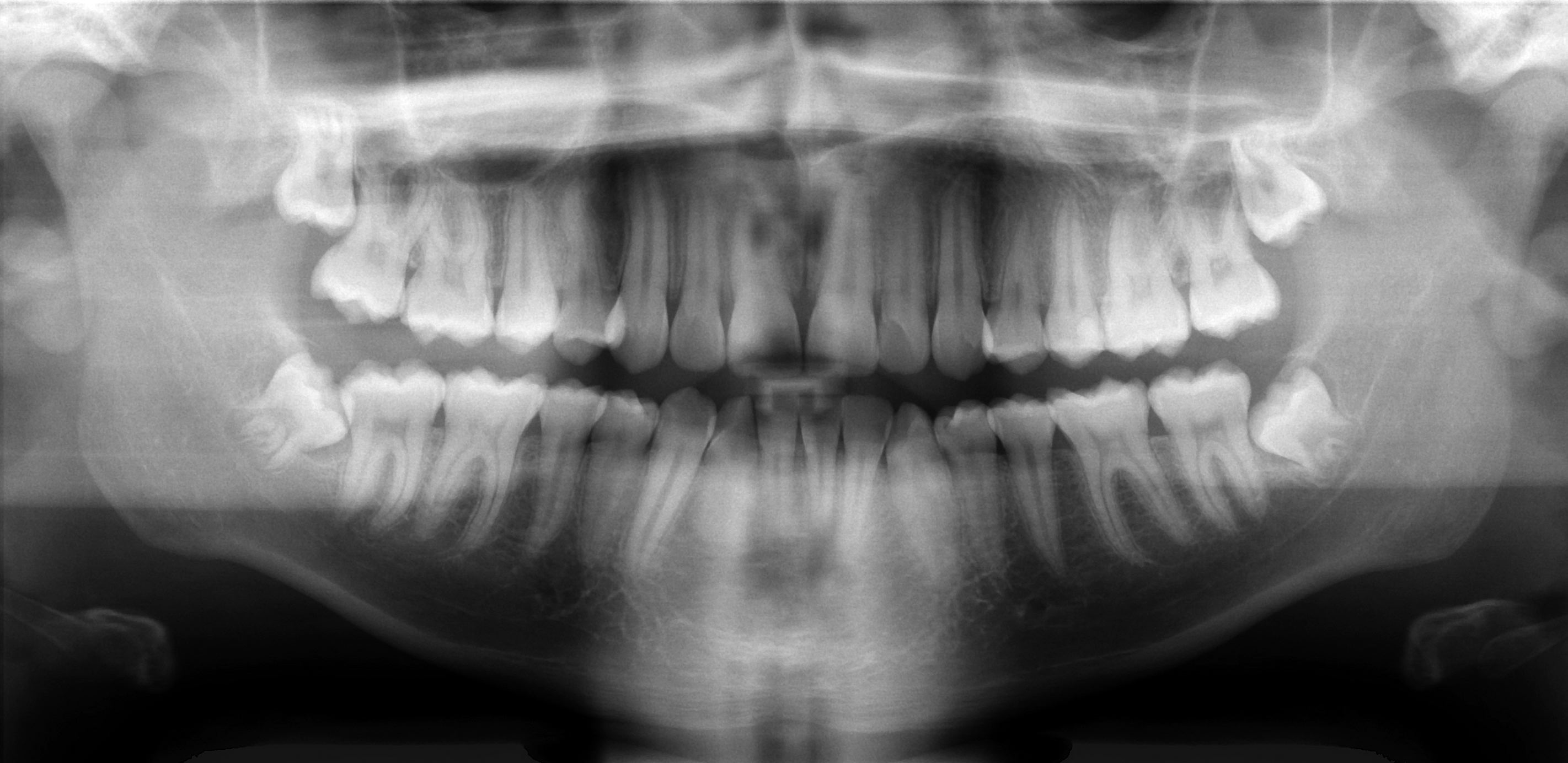
Your dental crown just fell out. Here is the exact step-by-step guide on what to do, what to use for temporary glue, when it is an emergency, and how to save your crown for re-cementing.
Reviewed by the toothcheck Dental Team Independent dentist providing online second opinions.
A dental crown falling off is startling, painful, and inconvenient. But here's the good news: in most cases, it is not a dental emergency, and the crown can almost always be re-cemented by your dentist.
The key is knowing exactly what to do — and what not to do — between the moment the crown comes off and your dental appointment.
This guide covers the complete step-by-step protocol, when you can wait, when you need urgent care, and how to avoid common mistakes that turn a simple fix into an expensive problem.
If your dentist recommended a crown and you're uncertain about the diagnosis, an online dental second opinion can help verify it was necessary before you commit to replacement.
Quick Answer: Most Crowns Can Be Re-Cemented — Don't Panic
| Situation | What to Do |
|---|---|
| Crown fell off, tooth looks intact | Save the crown, call dentist same-day, use temporary cement if needed |
| Crown fell off, tooth is broken underneath | Save the crown AND any tooth fragments. Call dentist urgently |
| Crown fell off, no pain | Can usually wait 24–48 hours for appointment |
| Crown fell off, severe pain | May indicate nerve irritation or infection — call promptly |
| Crown swallowed | Seek medical evaluation if you have difficulty breathing or abdominal pain |
According to the ADA's guidance on crown maintenance, a properly cemented crown that debonds is typically re-cementable unless the underlying tooth structure is compromised.
Step 1: Find and Save the Crown
The most important thing you can do immediately is retrieve the crown and keep it safe.
How to Handle the Crown
- Pick it up carefully by the edges — avoid scratching the inner surface
- Rinse it gently with water to remove debris
- Do NOT scrub the inside — you may remove cement that helps your dentist re-cement it
- Store it in a clean, dry container
- Keep it out of reach of children and pets
What If the Crown Is Damaged?
If the crown is cracked, bent, or has a hole through the porcelain, it may need to be replaced rather than re-cemented. Keep it anyway — your dentist can use it to assess what went wrong.
Step 2: Assess the Tooth Under the Crown
Look at the exposed tooth in a mirror. The appearance tells you a lot about what happened:
Healthy Tooth Structure
- Tooth looks like a short, prepared stump
- Color is normal (yellowish/white)
- No visible cracks
Prognosis: Excellent. The crown can usually be cleaned and re-cemented with no additional treatment needed.
Decay Visible
- Dark, brown, or soft-looking areas on the tooth
- Signs of erosion
Prognosis: Fair to guarded. You may need a new crown after the decay is removed. A dental second opinion can help determine whether the tooth is still restorable.
Tooth Is Broken or Split
- A visible crack runs through the tooth
- A piece of the tooth came off with the crown
- The tooth looks different than you remember
Prognosis: Guarded. Depending on the extent of the fracture, the tooth may or may not be salvageable.
For more on what happens when crowns fail, see Do I Really Need a Crown? When It Is Necessary.
Step 3: Clean and Protect the Tooth
Gentle Cleaning
- Rinse your mouth gently with warm salt water (1/2 teaspoon salt in 8 oz water)
- Do NOT aggressively brush the exposed tooth
- Do NOT poke or scrape at it
Protect the Tooth Surface
The exposed tooth is often sensitive to air, cold, and touch. To reduce discomfort:
- Avoid eating or drinking on that side
- If the tooth is sharp, dental wax (available at pharmacies) can cover rough edges
- Over-the-counter pain relievers (ibuprofen) can manage discomfort
Step 4: Temporary Reattachment (Optional)
This is optional and depends on your comfort level and the expected wait time for a dental appointment.
What to Use
Dental Temporary Cement (Recommended) Available at most pharmacies (brands: Dentemp, Recapit, Temp-A-Cure). These are specifically designed for temporary use and cost $5–$15.
How to apply: 1. Dry the crown thoroughly 2. Dry the tooth gently with a cotton swab or tissue 3. Fill the crown about 1/3 full with temporary cement 4. Seat the crown firmly over the tooth — push evenly with steady pressure until it feels seated 5. Bite down gently to ensure full seating 6. Wipe away excess cement 7. Do not eat or drink for 30–60 minutes
Do NOT use:
- Superglue or Krazy Glue — these are toxic and can permanently damage the tooth
- Household adhesives — same reason
- Toothpaste — it does not bond and can trap bacteria
What to Use If You Can't Find Temporary Cement
If you cannot get temporary cement, you have two safe options:
1. Leave the crown off and avoid eating on that side 2. Use denture adhesive (Poligrip, Fixodent) in a pinch — not ideal, but safer than superglue. A small amount inside the crown can provide temporary hold
Research published in the Journal of Prosthetic Dentistry confirms that over-the-counter temporary cements provide adequate retention for 24–72 hours in most cases.
Step 5: Call Your Dentist
When you call, provide these details:
1. "My crown fell off" 2. "The tooth looks [intact / has dark spots / has a crack]" 3. "I have the crown" 4. "I have [no / mild / severe] pain"
This helps the office schedule the appropriate appointment length. A simple re-cement takes 15–20 minutes. A crown replacement requires 60–90 minutes.
What to Ask
- "Can I be seen today or tomorrow?"
- "Should I take a pain reliever beforehand?"
- "Is the crown re-usable, or will I need a new one?"
When Crown Loss Is an Emergency
Most crown loss is not an emergency, but there are exceptions:
Emergency Signs
- Severe, constant pain
- Facial or gum swelling
- Fever
- Difficulty swallowing or breathing
- Bleeding that won't stop (rare)
If you have any of these, seek urgent dental care. You may need a root canal before the crown can be re-cemented.
For more on root canal urgency, see Dentist Says I Need a Root Canal — What Should I Do?.
Why Do Crowns Fall Off?
Understanding why your crown debonded helps prevent it from happening again.
Common Causes
| Cause | How Often | Can It Be Re-Cemented? |
|---|---|---|
| Cement failure (old cement broke down) | 40% | ✓ Usually yes |
| Bite force (crown was slightly too high) | 25% | ✓ Yes, after adjusting the bite |
| Tooth decay under the crown | 20% | ⚠ Depends on extent |
| Tooth fracture | 10% | ✗ Usually needs new crown or extraction |
| Crown manufacturing defect | 5% | ✓ Yes (warranty replacement) |
How Old Was Your Crown?
- Less than 5 years: Likely a cement or bite issue. Usually re-cementable.
- 5–10 years: Normal aging. Assess the fit; may need replacement soon.
- 10+ years: The crown has likely exceeded its expected lifespan. The average crown lasts 10–15 years based on research in the Journal of the American Dental Association.
For detailed lifespan data by material type, see How Long Do Dental Crowns Last? (coming soon).
Can You Wait to See Your Dentist?
Safe to Wait (1–3 Days)
- Crown intact, tooth looks normal
- No pain or mild sensitivity
- You can avoid chewing on that side
Don't Wait
- The tooth is sensitive to temperature
- You see decay or dark spots on the exposed tooth
- The crown is damaged
- You have any pain
The exposed tooth is vulnerable. The longer it stays exposed, the higher the risk of decay, fracture, or gum issues around the prepared surface.
What to Expect at the Dentist
Simple Re-Cementation
1. Your dentist removes old cement from the crown and tooth 2. They clean and dry both surfaces 3. Permanent cement is applied 4. The crown is seated and held in position while cement sets 5. Your bite is checked and adjusted if needed 6. Excess cement is removed
Cost: $75–$200 (typically a fraction of the original crown cost)
Crown Replacement
If the old crown is damaged or doesn't fit well anymore:
1. The old crown is used as a temporary or a new impression is taken 2. A new crown is fabricated (1–2 weeks if lab-made, same day if CEREC) 3. You return for cementation
Cost: $800–$2,500 (similar to initial crown cost)
For a breakdown of crown costs by state and material, see Crown Cost: What to Expect in 2026.
Common Mistakes to Avoid
Superglue
Superglue (cyanoacrylate) is not designed for oral use. It can:
- Release toxic fumes as it cures
- Irritate gum tissue
- Make it extremely difficult for the dentist to remove the crown
- Damage the underlying tooth structure
Partial Crown Placement
If the crown doesn't seat fully, it can create a gap that traps food and bacteria, leading to rapid decay of the exposed tooth surface.
Ignoring It
Waiting weeks or months with a missing crown can cause:
- Tooth movement (neighboring teeth shift)
- Decay of the exposed tooth
- Gum overgrowth over the tooth margins
- Need for more extensive (and expensive) treatment later
How to Prevent Crowns From Falling Off
- Maintain good oral hygiene: Gum disease can weaken the seal around a crown
- Avoid sticky or hard foods: Chewing ice, hard candy, or sticky caramel puts excessive force on crown margins
- Wear a nightguard if you grind: Bruxism is a leading cause of crown failure
- Regular dental checkups: Your dentist can spot early signs of cement failure or marginal gaps
- Replace crowns after 10–15 years: Even well-maintained crowns eventually wear out
FAQ
Can I eat with a temporary crown? If you used temporary cement, wait at least 30 minutes after application. Avoid chewing on that side. Avoid sticky, hard, or chewy foods until you see your dentist. Bread, pasta, soft fruits, and yogurt are safe.
What if I swallowed my crown? Most dental crowns pass through the digestive system without issue within 24–72 hours. Seek medical attention only if you have difficulty breathing, chest pain, or severe abdominal pain. X-rays can confirm it has passed.
Is a loose crown a dental emergency? A loose crown that is still partially attached is not a medical emergency, but it should be treated promptly. Avoid chewing on it and see your dentist within 24–48 hours.
Can a crown fall off while sleeping? Yes. Grinding or clenching during sleep can dislodge a crown, especially if the cement has already started to fail. If you wake up to a loose or missing crown, follow the same steps above.
Will my dentist be angry if I used temporary cement? No. Dentists expect patients to use temporary cement in this situation. Just let them know so they can properly clean both surfaces during your visit.
Final Advice
A crown falling off is common, rarely an emergency, and usually fixable. The most important things are:
1. Save the crown 2. Keep the tooth clean and protected 3. See your dentist within 1–3 days 4. Don't use superglue
If you're unsure about the crown's fit, whether it was necessary in the first place, or the cost of replacement, get an independent second opinion before committing to expensive new treatment.
Upload your X-rays and photos to ToothCheck. A licensed dentist will review your case in under 72 hours.
Need a quick answer about your dental crown?
Upload your X-rays to ToothCheck and get a verified second opinion in under 72 hours.
Last medically reviewed: June 2026