What Energy Drinks and Soda Really Do to Your Enamel
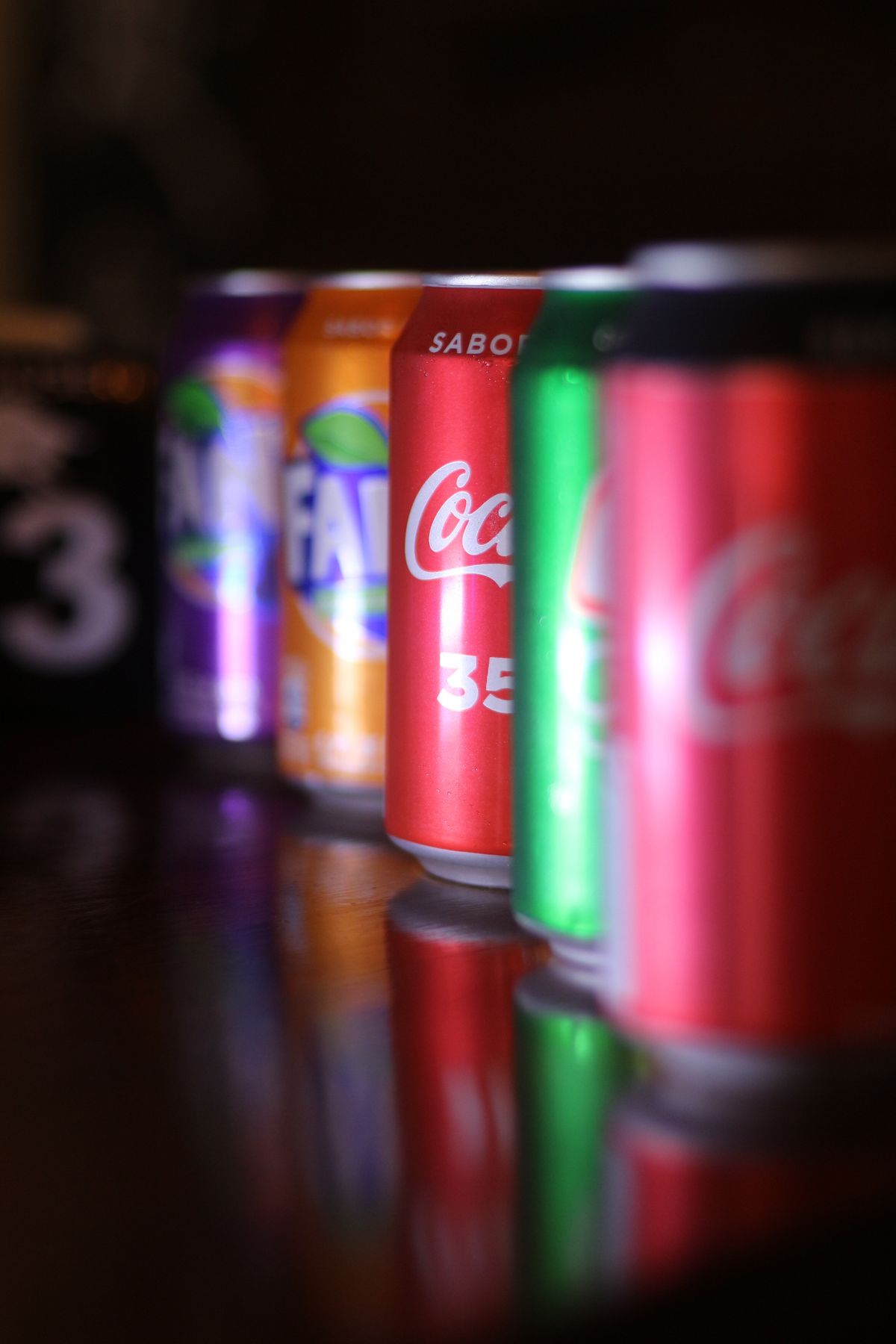
Energy drinks and soda cause enamel erosion through acid, not just sugar. How it happens, why diet versions are not safe, and how to limit the damage.
Reviewed by the toothcheck Dental Team Independent dentist providing online second opinions.
Most people know that sugary drinks cause cavities. Fewer realize that soda and energy drinks harm teeth in a second, separate way that has nothing to do with sugar. These drinks are acidic enough to dissolve the mineral that makes up your enamel, and they can do it whether the label says regular, diet, zero sugar, or sugar free.
The distinction matters because the two problems behave differently and need different habits. Decay is a bacterial process that can often be treated with a filling. Acid erosion is a chemical process that removes tooth structure for good, and enamel cannot regrow. Understanding the mechanism makes it much easier to decide what is worth worrying about and what is not.
Quick Answer
Energy drinks and soda cause enamel erosion because their acids, mainly citric and phosphoric acid, bring the pH in your mouth low enough to dissolve enamel directly, regardless of sugar content. Sugar adds a second risk, decay, by feeding acid-producing bacteria. Diet versions skip the sugar but remain acidic. An occasional drink is not a disaster; the real damage comes from frequent, prolonged exposure, such as sipping through a day.
Two Different Kinds of Damage
Harm 1: Acid erosion
Enamel is made mostly of a calcium phosphate mineral called hydroxyapatite. It begins to dissolve when the surrounding pH falls below roughly 5.5. Many sodas and energy drinks sit around pH 2.5 to 3.5, far below that threshold, so enamel starts losing mineral on contact. This is a direct chemical reaction. No bacteria are involved, which is why sugar-free drinks can still erode teeth.
At first the surface is only softened. Saliva buffers the acid and gradually returns minerals to the surface, and fluoride speeds that repair. If acid exposure keeps coming before the repair finishes, the softened layer is worn away and does not return.
Harm 2: Decay from sugar
Regular soda and most energy drinks also contain large amounts of sugar. Bacteria in dental plaque ferment sugar and produce their own acid, which creates a second wave of enamel dissolving on top of the drink itself. Over time this leads to cavities, especially between teeth and along the gumline.
Put together, a sugary acidic drink gives teeth an acid hit from the beverage and another from bacteria. A diet version removes the second hit and keeps the first.
How Do Common Drinks Compare?
Exact pH and acid content vary by brand, formulation, and even by batch, so treat the table as a general guide rather than a precise ranking.
| Drink type | Typical acidity | Sugar | Main risk |
|---|---|---|---|
| Regular cola | Very acidic (pH roughly 2.5 to 3.5) | High | Erosion and decay |
| Diet cola | Very acidic (similar range) | None | Erosion |
| Citrus or fruit soda | Acidic, often with added citric acid | High | Erosion and decay |
| Energy drinks | Often very acidic | Usually high | Erosion and decay, frequently severe |
| Sports drinks | Acidic | Moderate to high | Erosion and decay |
| Plain sparkling water | Mildly acidic (carbonic acid) | None | Low risk |
| Plain water | Neutral | None | None |
Energy drinks and sports drinks are often as erosive as cola, or more, because manufacturers add acids for flavor and shelf life. Their reputation as a healthier choice does not protect enamel. Plain sparkling water is much milder, though flavored versions with added citric acid are a different story.
Why Frequency and Sipping Matter More Than Quantity
The single most important factor is how long and how often your teeth sit in an acidic environment. After you take a sip, the pH in your mouth drops and stays low for a while until saliva neutralizes it. Each new sip restarts that clock.
That means these two habits can look very different in practice:
- One can finished in ten minutes with a meal: roughly one acid episode.
- One can nursed over two hours at a desk: a repeated stream of acid episodes, with teeth never getting a chance to recover.
The second pattern is far more damaging even though the total volume is identical. Sipping through a work shift, a long drive, or a gaming session is exactly the situation dentists worry about. Swishing or holding the drink in the mouth makes it worse.
What Erosion Looks Like
Erosion tends to creep up quietly. Common signs include:
- Sensitivity to cold, hot, or sweet foods as enamel thins and dentin is closer to the nerve.
- Teeth that look more yellow, because the darker dentin beneath shows through thinning enamel.
- Smooth, shiny, or slightly glassy surfaces on the teeth.
- Small cupped or dished areas on the chewing surfaces.
- Edges that look translucent, rough, or chipped.
None of these signs is specific to soda. Acid reflux, frequent vomiting, grinding, and aggressive brushing can all produce similar wear, so a dentist usually considers diet along with the other possibilities. Yellowing can also come from staining, which is a different issue covered in what stains teeth.
Practical Ways to Limit the Damage
You do not have to give up every fizzy drink. The aim is to reduce how often and how long your teeth are exposed.
1. Limit how often. Treat these drinks as an occasional item rather than a daily or hourly habit. 2. Drink it quickly rather than sipping. Finish it in one sitting instead of nursing it for hours. This is one of the most effective changes. 3. Have it with a meal. Saliva flow is higher while eating, which helps neutralize acid faster. 4. Use a straw aimed past the teeth. It reduces contact with the front teeth, though it is not a cure-all. 5. Rinse with water afterward, or chew sugar-free gum. Both help saliva restore a neutral pH. 6. Wait before brushing. Give it about 30 to 60 minutes, because softened enamel is more easily abraded by a toothbrush. 7. Use fluoride toothpaste. Fluoride helps softened enamel remineralize and makes it more acid resistant. 8. Keep up regular checkups. Erosion is easy to miss at home. A dentist can spot early wear and suggest protective steps before it becomes severe.
For more on how the acidity of your mouth affects teeth in general, see how mouth pH affects oral health.
When Erosion Is Already Advanced
If erosion has already worn teeth down, treatment depends on how much structure is lost and how much it bothers you. Mild cases are often managed by changing habits, using fluoride or desensitizing products, and monitoring. More advanced wear may need bonding, onlays, or crowns to protect the tooth and restore its shape.
Because extensive restorative work can be expensive and is sometimes recommended more broadly than necessary, it is reasonable to ask questions. If you are told you need major work for erosion, an independent second opinion can confirm what is truly needed and what could safely be monitored. You can learn more about getting an online dental second opinion if that would help.
For reliable general guidance, the American Dental Association's patient site, MouthHealthy, has plain-language information on diet and tooth health.
FAQ
Is diet soda bad for your teeth? Diet soda has no sugar, so it does not feed decay-causing bacteria the way regular soda does. But it still contains acids such as citric or phosphoric acid, and those acids can dissolve enamel directly. Diet is better for cavities than regular, but it is not harmless for enamel erosion.
Are energy drinks worse than soda for enamel? Often they are as erosive or more erosive. Many energy drinks combine a low pH with a high concentration of acids and a lot of sugar, which means they can cause both erosion and decay. The exact risk varies by product, so a single ranking cannot be trusted for every brand.
Can enamel grow back after erosion? No. Enamel contains no living cells, so the body cannot regenerate it once it is lost. Early softening can be partly reversed by saliva and fluoride, which help minerals redeposit, but real loss of enamel is permanent. Dentists can protect or rebuild the shape of a tooth with bonding or other restorations.
Should I brush right after drinking soda? It is usually better to wait about 30 to 60 minutes. Acid temporarily softens the enamel surface, and brushing straight away can scrub away softened enamel. Rinsing with plain water or chewing sugar-free gum first is a safer immediate step.
Does using a straw really help? It can help somewhat by directing the liquid past the front teeth, but it does not make a drink safe. The acid still passes through your mouth and contacts teeth, so frequency and sipping time matter more than the straw.
Final Takeaway
Soda and energy drinks hurt enamel in two ways: acid that dissolves it directly, and sugar that fuels decay. Diet versions only solve the second problem. The good news is that the damage depends mostly on pattern, not on an occasional can. Drink quickly, keep it infrequent, rinse with water, wait before brushing, and use fluoride toothpaste. If a dentist ever recommends extensive work for erosion, a second opinion is a sensible way to check the plan.
Last medically reviewed: October 2026