What Is a Conservative Dentist, and How to Find One Near You
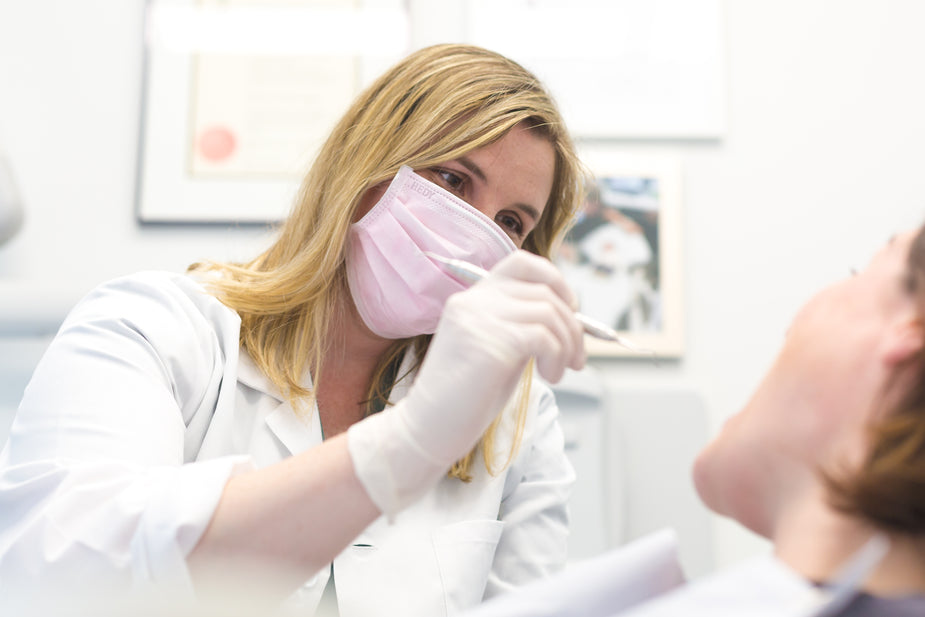
What is a conservative dentist? Learn how they treat differently, how they differ from holistic dentistry, and how to find a conservative dentist near you.
Reviewed by the toothcheck Dental Team Independent dentist providing online second opinions.
If you have ever left a dental appointment with a long treatment plan and a nagging feeling that it was more than you needed, you are not alone. Many people start searching for a "conservative dentist" or a "minimally invasive dentist near me" for exactly that reason.
This guide explains what a conservative dentist actually is, how they treat differently, what the term does not mean, and the fastest way to find one near you.
Quick Answer
A conservative dentist is a licensed dentist who works to preserve healthy tooth structure and recommends the least invasive treatment that effectively solves the problem. They treat active disease promptly, but they monitor early or stable changes rather than treating them just to be safe. The practical way to find a conservative dentist near you is to ask specific questions, or to request one through toothcheck's Trusted Network of conservative US dentists.
What a Conservative Dentist Actually Is
The core idea is simple. Every time a tooth is drilled, some healthy structure is lost for good. A filling is replaced eventually, a crown is replaced eventually, and each round of replacement tends to remove more tooth. So a conservative dentist asks two questions before recommending treatment: does this need to be treated now, and what is the smallest effective way to treat it?
This approach is often called minimally invasive dentistry. We cover the full science, including detection, prevention, and repair, in what is minimally invasive dentistry, so this article focuses on what it looks like in practice and how to find someone who works this way.
What it is not
Conservative does not mean "does less no matter what." It does not mean avoiding X-rays, refusing fillings, or delaying a root canal that is truly needed. A conservative dentist treats real problems, and treats them well. The goal is matching the treatment to the actual condition, not minimizing treatment for its own sake.
How a Conservative Dentist Treats Differently
The differences show up in specific, concrete decisions. Here are the most common ones.
Early, non-cavitated lesions: monitor and remineralize
An early lesion, sometimes seen as a white spot or a shadow that has not broken through the enamel surface, is not yet a hole. Enamel at this stage can often be strengthened with fluoride, improved home care, and diet changes. A conservative dentist will usually document it, treat it with remineralizing measures, and recheck it with follow-up X-rays instead of drilling right away. If it progresses, they treat it then.
Fillings and onlays before crowns
When a tooth has a large old filling or a crack, a full crown removes a great deal of tooth on every surface. If enough healthy structure remains, a conservative dentist may recommend a smaller, more targeted restoration such as a new filling or an onlay. A crown is still the right answer in many cases, particularly when a tooth is badly broken down or has had a root canal, but it should be a reasoned choice rather than the default.
Sealants and prevention
Sealants on deep grooves of back teeth, fluoride varnish, and risk-based checkup schedules are preventive tools that cost little and protect a lot. Conservative dentists lean on them early so that fewer teeth need restorations later.
Preserving tooth structure during repair
When treatment is needed, conservative dentists use techniques that remove only the decayed portion, such as small preparations and adhesive materials that bond to the tooth. The aim is a smaller repair that leaves more of the original tooth.
A quick comparison
| Situation | Typical aggressive-leaning approach | Conservative approach |
|---|---|---|
| Early white spot on enamel | Drill and fill now | Remineralize, improve home care, recheck |
| Large old filling, tooth mostly intact | Crown | New filling or onlay if structure allows |
| Deep grooves on back molars | Wait until a cavity forms | Sealant before decay starts |
| Stable shadow on X-ray, no symptoms | Treat to be safe | Document and monitor with follow-up imaging |
| Active infection or painful decay | Treat | Treat promptly, with the smallest effective option |
Notice the last row. Conservative dentistry is not about avoiding treatment. It is about treating what needs treating, and only that.
Conservative Dentistry Is Evidence-Based, Not Holistic
Some people hear "conservative" and assume it means holistic, biological, or alternative dentistry. It does not. Conservative dentistry rests on mainstream science, including the same diagnostic tools, materials, and standards of care that any good dentist uses. Organizations like the American Dental Association and the National Institute of Dental and Craniofacial Research publish evidence on prevention and early lesion management that supports this approach.
A conservative dentist is not against dentists or dentistry. They are simply careful about the threshold for intervention. Our own stance on this is laid out in the toothcheck manifesto.
Signs You May Be Talking to a Conservative Dentist
You can often tell within one visit. Look for these signs:
- They show you the X-ray or photo and explain what they see, rather than just stating a diagnosis.
- They distinguish between "needs treatment now" and "worth watching."
- They talk about prevention and risk, not only repair.
- When recommending a crown, they can explain why a smaller restoration will not work.
- They are comfortable with you taking time to decide or getting a second opinion.
For a longer list of things to ask, see questions to ask a new dentist and how to find a dentist who won't overtreat you.
Why Finding One Is Hard
Dentist websites rarely say how conservative they are. Almost every practice describes itself as "gentle," "comprehensive," or "patient-centered," and review sites reward friendly staff and short waits more than restraint. Searching for "conservative dentist near me" usually returns a list of general practices that look identical.
That is the gap we are trying to close.
Find a Conservative Dentist Near You Through the Trusted Network
toothcheck is building a Trusted Network of conservative, minimally invasive US dentists who commit in writing to recommending the least invasive effective option. It is request-based: you tell us where you are and what you need, and we follow up within 72 hours.
To be upfront, the network is live in a few select US metros and is still growing, so it is not yet a nationwide directory. If we have a dentist near you, we will connect you. If we do not yet, your request tells us where to build next.
Find a conservative dentist near you is the quickest way to start.
If there is no network dentist near you yet
You still have a good option. An online dental second opinion lets a licensed dentist review your X-rays and treatment plan and send you a plain-English written report for a flat 59 dollars. It tells you what is urgent, what is optional, and whether a less invasive alternative exists. You can then bring that report to your current dentist or any new one. Our dental treatment plan review page explains what the review covers, and is a dental second opinion worth the cost walks through the value.
FAQ
What is a conservative dentist?
A conservative dentist is a licensed dentist who aims to preserve as much healthy tooth structure as possible and to recommend the least invasive option that works. They treat active problems promptly, but they monitor stable or early-stage changes instead of drilling or crowning them just to be safe.
Is a conservative dentist the same as a holistic or biological dentist?
No. Conservative, minimally invasive dentistry is built on mainstream, evidence-based science and ADA-recognized practice. It is a philosophy about how much to treat and when, not a separate belief system or alternative approach.
Will a conservative dentist ignore a real problem?
No. Active decay, infection, pain, and structural cracks get treated promptly. The difference is that a conservative dentist will not treat something that is stable and not causing harm, and will explain why they are monitoring it.
How do I find a conservative dentist near me?
You can ask a prospective dentist a few pointed questions, read how they talk about early cavities and crowns, or request a dentist through toothcheck's Trusted Network. The network is request-based and live in select US metros, and we follow up within 72 hours.
How does toothcheck's Trusted Network help me find one?
The Trusted Network is a growing group of conservative, minimally invasive US dentists who commit in writing to the least invasive effective option. You submit a request, and toothcheck follows up within 72 hours. It is live in a few select metros and still growing, so coverage is not yet nationwide.
What if there is no conservative dentist in my area yet?
An online second opinion is a good fallback. A licensed dentist reviews your X-rays and treatment plan and returns a plain-English written report for 59 dollars, so you can tell whether your current dentist's plan is the least invasive effective option.
Final Thoughts
A conservative dentist is not a different kind of dentist, just one who is careful about when and how much to treat. The best outcome for most patients is a dentist who treats what is urgent, watches what is stable, and explains the difference in plain language. If you want help finding one, request a conservative dentist near you and we will follow up within 72 hours.
Last medically reviewed: October 2026