Dental Sealants for Kids: Do They Really Help?
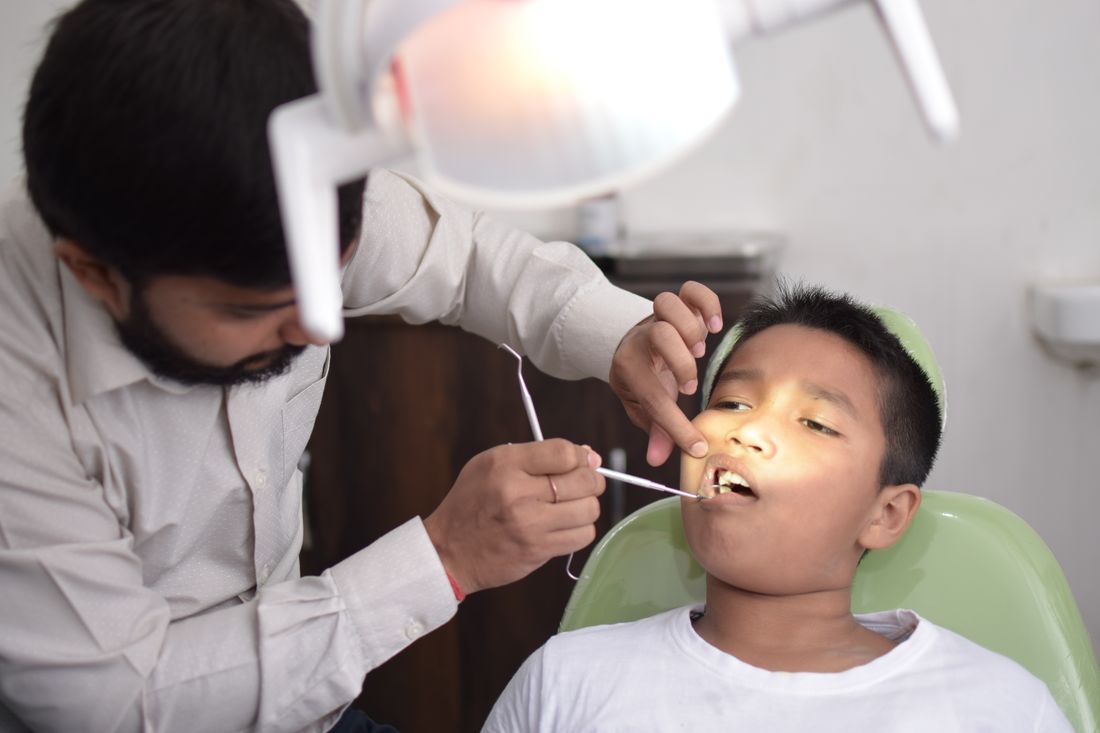
Dental sealants for kids explained: what they are, when they are placed, how long they last, what they cost, and when a second opinion is worth asking for.
Reviewed by the toothcheck Dental Team Independent dentist providing online second opinions.
If your child's dentist has suggested sealants, you may be wondering whether this is a genuine preventive step or an add-on to the bill. It is a fair question, because parents are often handed a treatment list in the middle of a busy appointment and asked to decide quickly.
Sealants are one of the better-supported preventive treatments in children's dentistry. This guide explains what they are, when they are used, what they cannot do, and how to tell a sensible plan from one that deserves a second look. It is educational information and not a replacement for an exam by your child's own dentist.
Quick Answer
Dental sealants for kids are thin protective coatings painted onto the chewing surfaces of back teeth to seal the deep grooves where cavities most often begin. The ADA and CDC both support them: the CDC reports that school-age children without sealants have roughly three times more cavities in their molars than children who have them. Placement is quick and painless, with no drilling. Sealants are preventive care, not over-treatment, but they only protect the surfaces they cover, so brushing, flossing, and fluoride still matter.
What Dental Sealants Are
A sealant is a thin plastic resin that flows into the pits and grooves on the biting surfaces of molars and premolars. Those grooves can be narrow and deep, often too narrow for even one bristle of a toothbrush to reach. Food and bacteria settle in them, and that is why the chewing surfaces of back teeth are where children get most of their cavities.
Once the resin hardens, it forms a smooth shield over the groove. Food no longer packs in, and the surface is easier to clean with ordinary brushing.
Sealants are not the same as fluoride varnish, which strengthens enamel chemically, and they are not fillings, which repair a tooth that already has decay.
How the Procedure Works
Placing a sealant is usually one of the easiest things a child does in a dental chair.
1. The tooth is cleaned and dried. 2. A mild solution is applied briefly to roughen the enamel so the resin can bond. 3. The tooth is rinsed and dried again. 4. The sealant is painted on, then hardened with a curing light.
There is no drill and usually no numbing, which is why many dentists see sealants as a gentle first experience of treatment. A few teeth can generally be done in one short visit. Moisture control matters, because a sealant placed on a damp tooth is more likely to fail, so a very wiggly or tearful child can be harder to treat well.
When Are Sealants Usually Placed?
The best timing is soon after a permanent tooth has fully come in, before decay has had a chance to start.
- Around age 6: the first permanent molars, often called the six-year molars, come in behind the baby teeth.
- Around age 12: the second permanent molars arrive.
- Premolars: sometimes sealed if their grooves are deep.
- Baby molars: occasionally sealed when a child has deep grooves, a history of cavities, or other risk factors, since baby molars matter for chewing and for holding space for adult teeth.
Because the CDC finds that many children who could benefit do not have sealants, a recommendation at these ages is typical and not unusual.
What the Evidence Says
The ADA and CDC both recommend sealants as part of a cavity prevention approach for children and teens. The CDC's figure that school-age children without sealants have about three times more cavities in their molars than those with sealants is one of the most cited numbers in this area. Sealants can also be placed over very early decay on a chewing surface to help stop it from progressing, which dentists may choose when the spot is small and being monitored.
The benefit is largest for children at higher risk, such as those with deep grooves, a history of cavities, or limited access to routine care. A child with shallow, easy-to-clean grooves and few cavities may gain less, and that is a legitimate point to discuss with the dentist.
Sealants Compared With Other Protection
Sealants are one layer of prevention, not the whole plan. This table shows how they fit alongside the other common measures.
| Measure | What it protects | How it is applied | Main limitation |
|---|---|---|---|
| Dental sealant | Deep grooves on chewing surfaces of back teeth | Resin painted on and hardened in one visit | Does not cover sides or between teeth; can wear or chip |
| Fluoride toothpaste | All tooth surfaces, by strengthening enamel | Brushing twice a day at home | Needs daily consistency and proper amount for age |
| Fluoride varnish | Enamel on all surfaces | Painted on at a dental visit | Repeated applications needed |
| Flossing or cleaning between teeth | Side surfaces where teeth touch | Daily at home | Hard for young children to do alone |
| Limiting frequent sugary snacks and drinks | The whole mouth | Daily habits | Depends on routine and family habits |
Limits and Honest Caveats
Sealants are well supported, but it helps to be clear about what they do not do.
- They protect only what they cover. Cavities between teeth and along the gumline are not prevented by a chewing-surface sealant.
- They can wear down. Chewing forces can chip a sealant. A dentist should check them at regular visits and repair or reapply them when needed. A lost sealant that goes unnoticed leaves the groove unprotected again.
- They are not a substitute for home care. Brushing with fluoride toothpaste and regular dental visits remain the foundation.
- A sealant over active decay needs a careful call. Dentists generally check the groove first, sometimes with a dental X-ray, and a sealant is not right if decay has already gone deep into the tooth.
Resin-based sealants contain small amounts of compounds that have been discussed publicly in the past, but the ADA has reviewed the evidence and considers the exposure from sealants very low and the cavity-prevention benefit well established. If you have concerns about materials, your dentist can tell you what product is used.
What Do Sealants Cost?
Prices vary by region, practice, and number of teeth, so check with your own dentist. Because sealants are preventive, many dental insurance plans cover them for children, often within certain age limits, and many school-based programs offer them at low or no cost. Ask what your plan covers before the appointment, and ask for an itemized estimate when the plan includes more than a few teeth.
When a Second Opinion Makes Sense
A single sealant recommendation for a healthy molar is routine, and most families do not need to question it. A second look is more reasonable in situations like these:
- The plan seals many teeth at once, including teeth that are not yet fully erupted.
- The dentist suggests re-sealing frequently, for example every year, without explaining why the sealants are failing.
- The plan bundles sealants with several fillings and the reasoning is not explained. Our guide on whether all cavities need fillings explains why small, early spots are sometimes monitored instead of drilled.
- You are being told something looks like decay but you have not been shown an X-ray. It can help to understand what a cavity looks like on an X-ray.
- The treatment list is large and the total feels out of proportion. See also what to do if a dentist finds multiple cavities.
A second opinion is not an accusation. It is a way to confirm that a plan is sensible, in the same way you might for any significant medical decision.
Questions to Ask Your Child's Dentist
- Which teeth are you recommending to seal, and why those?
- Is there any early decay under or near the groove, and how did you check?
- How long do you expect these to last, and how will they be monitored?
- What happens if one chips or falls off?
- What else do you recommend for home care for my child's age and risk level?
Clear, specific answers are a good sign. Vague answers or pressure to decide immediately are a reason to pause.
FAQ
Do dental sealants for kids actually prevent cavities? Yes, for the surfaces they cover. The CDC reports that school-age children without sealants have roughly three times more cavities in their molars than children with sealants, and the ADA recommends sealants as part of cavity prevention. They do not protect the sides of teeth between neighbors.
At what age should a child get sealants? Most often soon after the permanent molars erupt: first molars at around age 6 and second molars at around age 12. Dentists sometimes seal baby molars too when a child has deep grooves or a high cavity risk.
How long do dental sealants last? Commonly several years, and the CDC notes they can protect for up to about 9 years in some children. They can chip or wear, so the dentist checks them at regular visits and repairs or reapplies them if needed.
Does getting a sealant hurt? No. Placing a sealant does not normally involve drilling or numbing. The tooth is cleaned and dried, the resin is painted on, and a light hardens it. The whole process usually takes a few minutes per tooth.
Can sealants replace brushing and fluoride? No. Sealants cover only the chewing surfaces they are placed on. Brushing with fluoride toothpaste, cleaning between teeth, and limiting frequent sugary snacks and drinks are still needed.
When is a second opinion on a child's sealant plan reasonable? If the plan is large, expensive, or includes sealing many teeth plus repeated re-sealing, or if the recommendation goes beyond prevention into several fillings, it is reasonable to ask another dentist to review it. A single sealant recommendation on a healthy molar is routine and rarely needs one.
Final Thoughts
Sealants are a simple, well-supported way to protect the teeth that decay most often in children. For most kids with newly erupted molars, a sealant recommendation is routine preventive care, not an upsell. The questions worth asking are about fit: which teeth, why, how they will be monitored, and whether the plan around them is proportionate.
If your child has been given a larger plan and you want an independent view, toothcheck offers an online dental second opinion from a licensed dentist for 59 dollars, with a written answer in about 72 hours. If you have X-rays, you can also learn more about a dental X-ray review. Sources include the American Dental Association (https://www.mouthhealthy.org/) and the Centers for Disease Control and Prevention (https://www.cdc.gov/).
Last medically reviewed: November 2026