When Is a Dental Crown Actually Necessary?
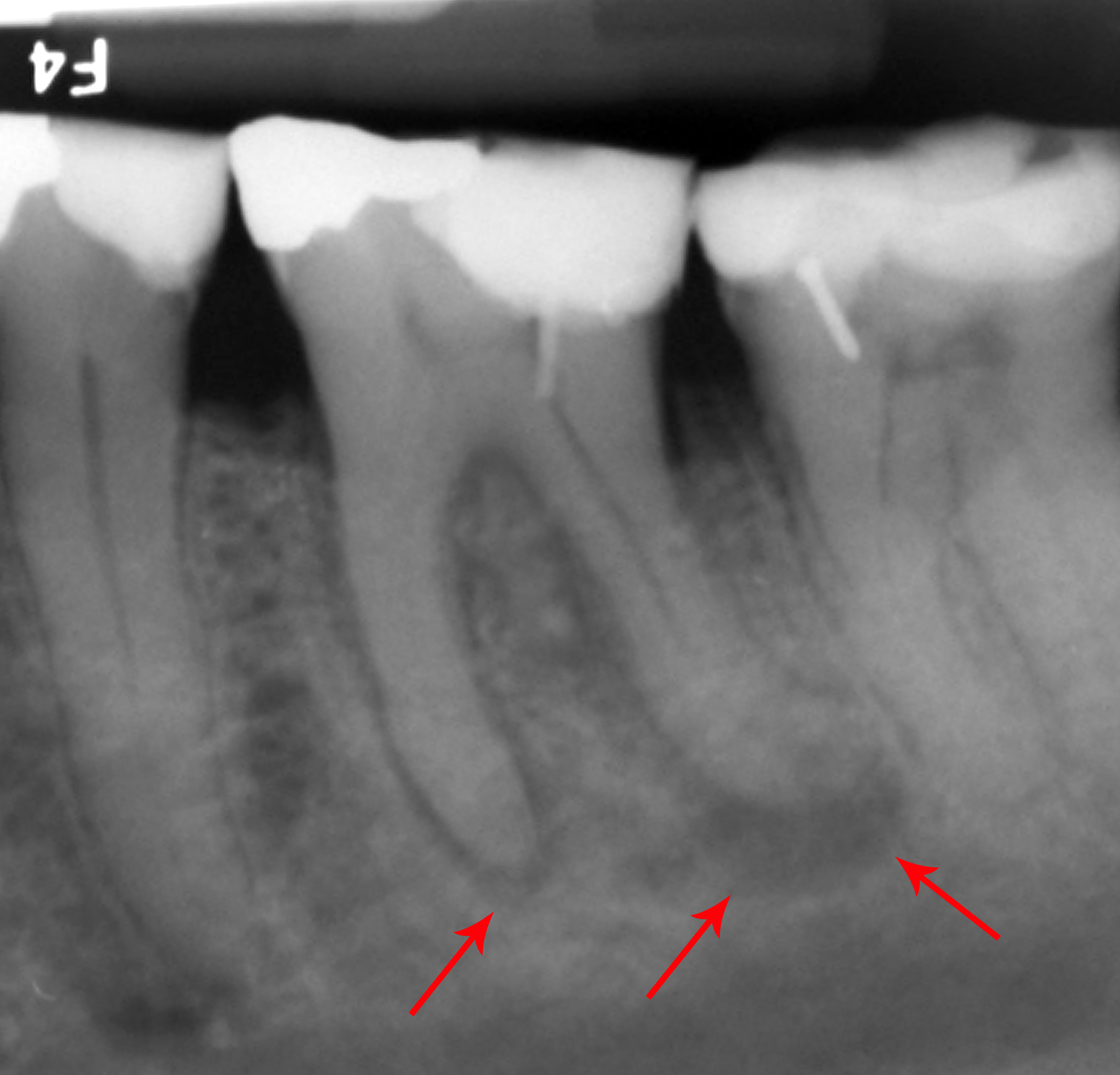
How do dentists decide when a crown is truly needed versus when a filling, onlay, or monitoring will do? Learn the evidence-based decision framework dentists use — and how to know when a second opinion matters.
Reviewed by the toothcheck Dental Team Independent dentist providing online second opinions.
Dental crowns are one of the most commonly recommended procedures in dentistry — and one of the most over-prescribed.
According to the American Dental Association, a crown is indicated when "a tooth is damaged and a filling is insufficient to restore it." But the threshold for "insufficient" is where clinical judgment varies significantly between providers.
This guide explains the evidence-based decision framework that dentists use — or should use — to determine when a crown is truly necessary. Understanding this framework helps you evaluate whether your crown recommendation is justified or worth a second opinion.
If you've been told you need a crown and you're uncertain, an online dental second opinion can help you decide with confidence.
Quick Answer: You Need a Crown When the Tooth Cannot Be Reliably Restored With a Filling
The core question every dentist should answer is: Will a filling provide adequate strength and longevity for this tooth?
| Tooth Condition | Likely Treatment | Rationale |
|---|---|---|
| Small cavity (< 1/3 of tooth width) | Filling | Adequate remaining tooth structure |
| Moderate cavity (1/3 to 1/2 of tooth width) | Filling or onlay | Depends on remaining wall thickness |
| Large cavity (> 1/2 of tooth width) | Crown | Insufficient structural integrity for a filling |
| Cracked tooth with no nerve involvement | Crown | Full coverage protects against fracture propagation |
| After root canal (molar) | Crown | Root-filled teeth are more brittle |
| After root canal (front tooth) | Crown or filling | Depends on remaining structure and esthetic demands |
| Worn down teeth from grinding | Crowns or onlays | Depends on extent of wear |
Research published in the Journal of Prosthetic Dentistry shows that teeth restored with crowns have a 10-year survival rate of approximately 90–95%, compared to 80–85% for large multi-surface fillings. But this difference narrows significantly for medium-sized restorations.
For more on the crown vs filling decision, see Crown vs Filling: How Dentists Decide — and When to Push Back.
The 5-Factor Decision Framework
Dentists who follow evidence-based practice evaluate these five factors before recommending a crown:
Factor 1: Percentage of Remaining Tooth Structure
This is the single most important factor.
A crown is indicated when:
- Less than 50% of the tooth's coronal structure remains
- One or more cusps are missing
- The remaining tooth walls are thin or fractured
A filling may be sufficient when:
- More than 50% of the tooth structure remains
- All cusps are intact
- The cavity walls are thick enough to support a filling
Factor 2: Crack Assessment
Not all cracks are the same:
Non-threatening cracks (filling OK):
- Craze lines (superficial cracks in enamel only)
- Hairline cracks that don't extend into dentin
Cracks requiring a crown:
- Cracks extending through the marginal ridge
- Cracks approaching a cusp tip
- Vertical cracks visible on more than one surface
Cracks requiring extraction:
- Vertical root fractures
- Cracks extending below the gumline
- Split tooth (two separate segments)
The distinction between these categories is often subtle. A dental operating microscope is the gold standard for crack assessment.
Factor 3: Position and Function
Molars bear the most chewing force — up to 200 pounds per square inch. This means:
- Molars: Almost always need a crown if >50% of the tooth is lost
- Premolars: Borderline — may be restored with onlays in some cases
- Front teeth: Often restorable with bonded composite fillings or veneers
Factor 4: History of the Tooth
- If the tooth has had multiple previous fillings, a crown may protect against future fracture
- If the tooth has never been restored, a single three-surface filling may last years
- If the patient grinds (bruxism), the risk of filling fracture is higher, and a crown may be preventative
For more on bruxism-related dental concerns, see Can You Avoid a Root Canal?.
Factor 5: Patient Factors
- Oral hygiene: Patients with excellent hygiene may get more years out of a large filling than those with poor hygiene
- Diet: High-sugar or acidic diets increase decay risk around crown margins
- Clenching/grinding: Bruxism increases failure risk for both fillings and crowns
When a Crown Is Definitely Necessary
After Root Canal Treatment (Especially Molars)
Root-canal-treated teeth lose significant moisture content and become more brittle. A 2020 study in the Journal of Endodontics found that molars receiving crowns within 4 months of root canal treatment had a 6x lower fracture rate compared to molars restored with fillings alone.
Large Fractures Involving Cusps
If a cusp has fractured off, a filling cannot adequately replace that missing structure. Full cuspal coverage — a crown — is required.
Recurrent Decay Under an Existing Crown
If a crown has failed due to marginal decay, the old crown must be removed, the decay cleaned out, and a new crown placed. In some cases, a root canal may also be needed if the decay has reached the nerve.
When a Crown Is Questionable (Overdiagnosis Red Flags)
These are the most common scenarios where crowns are recommended unnecessarily:
1. "Preventative" Crowns
Some dentists recommend crowns for teeth that have moderate-sized fillings "to prevent the tooth from fracturing." While this sounds proactive, the evidence doesn't support it for teeth with 50%+ remaining structure. The ADA's clinical practice guidelines emphasize that a restoration should be matched to the current condition, not potential future failure.
2. Small to Medium Cavities
A single dark spot on an X-ray does not justify a crown. If the cavity is less than halfway to the pulp and involves only one or two surfaces, a filling is almost always appropriate.
3. Cracks Visible Only on X-Ray
X-rays are poor at detecting cracks. If your dentist says "I can see a crack on the X-ray" without confirming clinically, this recommendation should be questioned.
4. Sensitivity or Pain Without Structural Damage
Pain alone — without evidence of fracture, large decay, or missing tooth structure — is not an indication for a crown. Causes of pain that don't require a crown include:
- Bite issues
- Gum inflammation
- Sinus pressure
- Teeth grinding
For a more comprehensive list of overdiagnosis patterns, see 12 Red Flags of Unnecessary Dental Work.
Crown Alternatives Worth Considering
Onlays and Inlays
These are "partial crowns" — they cover only the damaged portion of the tooth while preserving healthy structure.
When they work: Medium-sized cavities involving one or two cusps Success rate: Comparable to crowns at 5 years (~92–95%) Cost: 15–25% less than crowns Why dentists don't always offer them: They require more skill and laboratory steps than crowns
Research published in Operative Dentistry found that modern CAD/CAM onlays have a 5-year survival rate of 93%, nearly identical to full crowns.
Large Direct Fillings
Modern composite and amalgam materials can restore teeth with significant loss when properly placed.
When they work: Teeth with 50–60% remaining structure, especially premolars Limitations: Higher risk of fracture in heavy-bite patients and molars
Pulp Capping Followed by a Filling
If the issue is deep decay approaching the nerve but not penetrating it, a pulp capping procedure combined with a composite filling may avoid both root canal and crown.
Monitoring
If the tooth is asymptomatic and the crack or decay is stable, no treatment may be needed. Yearly X-rays can track whether the condition worsens.
Cost Implications of Crown Recommendations
| Scenario | Typical Cost | Your Share With Insurance | Your Share Without Insurance |
|---|---|---|---|
| Crown (lab-made) | $1,200–$2,500 | $300–$800 | Full amount |
| Crown (same-day CEREC) | $1,000–$2,000 | $250–$600 | Full amount |
| Large filling | $200–$500 | $50–$150 | Full amount |
| Onlay | $800–$1,800 | $200–$500 | Full amount |
| Monitoring | $0–$150 (exam + X-ray) | $0–$30 | Full amount |
Given that crowns cost 3–5x more than fillings, the financial incentive for dentists to recommend them is significant — which is why second opinions are valuable.
For a state-by-state comparison of crown costs, see Crown Cost: What to Expect in 2026.
Questions to Ask Your Dentist
Before agreeing to a crown, ask these specific questions:
1. "How much tooth structure is remaining?" — The dentist should be able to estimate this from X-rays and clinical examination 2. "Is this tooth at risk of fracture without a crown?" — They should explain the specific risk factors 3. "Could a filling or onlay work instead?" — If they dismiss this without explanation, that's a red flag 4. "Can I see the crack on the X-ray or photo?" — Visual evidence matters 5. "What's the success rate for a filling in this specific tooth?" — Helps you compare options 6. "Is there any decay, or is this purely preventative?" — Preventative crowns are sometimes appropriate, but less often than they're recommended
When to Get a Second Opinion
You should get a second opinion if:
- You were told you need multiple crowns
- The dentist didn't show you X-rays or explain why a filling won't work
- You have no symptoms but were still recommended a crown
- The crown recommendation came very quickly in a short exam
- You feel pressured to decide immediately
- The cost exceeds $1,500 per tooth
- You want to explore onlay or filling alternatives
A crown is permanent and irreversible. Once a tooth is prepared for a crown, it can never go back to needing only a filling. Getting an independent review before proceeding is responsible dental care.
How an Online Second Opinion Works for Crown Decisions
At ToothCheck, an independent dentist reviews:
- Your X-rays
- Photos of the tooth (if available)
- Your symptoms
- The recommended treatment plan
You receive:
- A clear yes/no recommendation on the crown
- Alternative treatment options (if appropriate)
- Explanation of X-ray findings in plain language
- An urgency assessment
- A confidence score
Most reviews are completed in under 72 hours, and the cost is a fraction of a crown — making it an easy decision when facing an expensive, irreversible treatment.
FAQ
Can a filling last as long as a crown? For small to medium cavities, yes. A well-placed filling on a tooth with adequate remaining structure can last 10+ years. For large cavities involving cusps, crowns have better longevity.
Is a crown necessary after every root canal? For molars, almost always — the tooth is too brittle without full coverage. For premolars and front teeth, it depends on the amount of remaining tooth structure. Skipping the crown on a root-canalled molar risks fracture.
How do I know if my tooth can be saved with a filling instead? Ask your dentist to estimate the percentage of remaining tooth structure. If it's above 50% and the cusps are intact, a filling is likely viable. For a more objective assessment, get a second opinion.
What's the difference between a crown and an onlay? A crown covers the entire tooth. An onlay covers only the damaged portion. Onlays preserve more healthy tooth structure but require more skill to fabricate.
Can you eat normally with a permanent crown? Once permanently cemented, you can eat normally. Avoid extremely hard or sticky foods in the first 24 hours. Long-term, crowns handle normal chewing forces well.
Final Advice
Crowns are valuable treatments when appropriately indicated — but they are over-prescribed across the dental industry.
Before agreeing to a crown, understand:
1. How much tooth is left 2. Whether the crack or decay truly requires full coverage 3. What alternatives exist (filling, onlay, monitoring) 4. What the evidence says for your specific situation
If you're uncertain about any of these factors, an independent second opinion can save you thousands of dollars and unnecessary tooth reduction.
Upload your X-rays to ToothCheck. Get a clear, unbiased answer in under 72 hours.
Need clarity about your crown recommendation?
Upload your X-rays to ToothCheck and get a verified second opinion in under 72 hours. Don't reshape a healthy tooth without independent verification.
Last medically reviewed: June 2026