Upmarket vs Budget Dentist: Cost by City (2026)
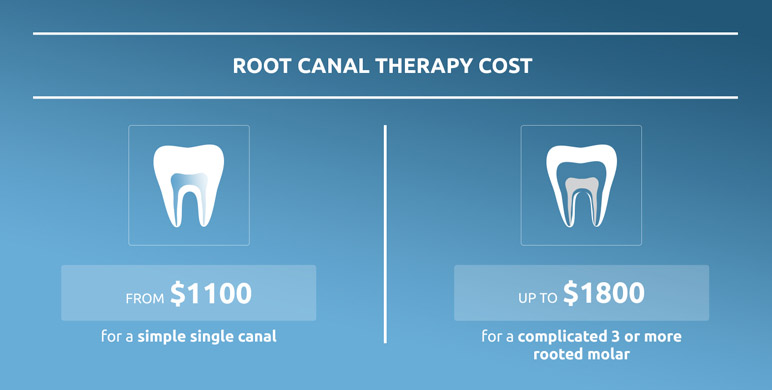
Real 2026 cash prices for common dental work in New York, Boston, San Francisco, and Dallas, compared at budget and upmarket practices - so you know what is normal before you pay.
Reviewed by the toothcheck Dental Team Independent dentist providing online second opinions.
The same porcelain crown can cost $900 at one practice and $4,000 at another a few miles away - and the difference is rarely about the tooth. Dental prices track two things: the city you are in, and whether you walked into a budget/value practice or an upmarket/premium one. This guide puts real 2026 cash prices side by side for the most common procedures across four US cities and both ends of the market, so you know what "normal" looks like before you agree to anything.
Dental pricing is unusually opaque - there is no single national fee schedule the way there is for physician services, which is exactly why the same procedure varies so widely. The Federal Trade Commission has repeatedly flagged transparency in dental billing as a consumer issue, and the American Dental Association maintains the CDT procedure-code system that lets you compare like for like. For a deeper look at why prices are so high in the first place, see why dental work is so expensive.
Quick Answer
- Within a city, an upmarket practice typically charges about 2 to 3 times a budget practice for the identical procedure. The gap is widest on crowns, implants, and veneers, and narrowest on cleanings and fillings.
- Across the four cities, Dallas is roughly 20 to 40 percent cheaper than New York, Boston, and San Francisco. New York is the priciest, especially at the top end.
- The biggest absolute spreads are implants and veneers - where which practice you choose can swing the price by $3,000 to $5,000 per tooth.
How to Read These Numbers
- All figures are 2026 cash (no-insurance) ranges, not firm quotes. Your own price depends on the specific tooth, the materials, and the practice.
- "Budget/value" means DSO chains, community clinics, dental schools, and value-focused private practices. "Upmarket/premium" means cosmetic-led practices, specialist-led offices, and those in affluent, high-rent neighbourhoods.
- Ranges overlap because even within a tier there is variation. Always cross-check your exact ZIP code on FAIR Health Consumer, a free nonprofit tool built on billions of real claims. National baselines used here are drawn from 2026 cost guides such as DenScore and Real Dental Costs.
New York City - The Most Expensive of the Four
Manhattan and downtown Brooklyn command the highest rates in the country; the Bronx and Staten Island run cheaper. Cash ranges for 2026:
- New-patient exam + cleaning + X-rays: budget $95–$250; upmarket $300–$600
- Composite filling (1–2 surface): budget $150–$275; upmarket $300–$600
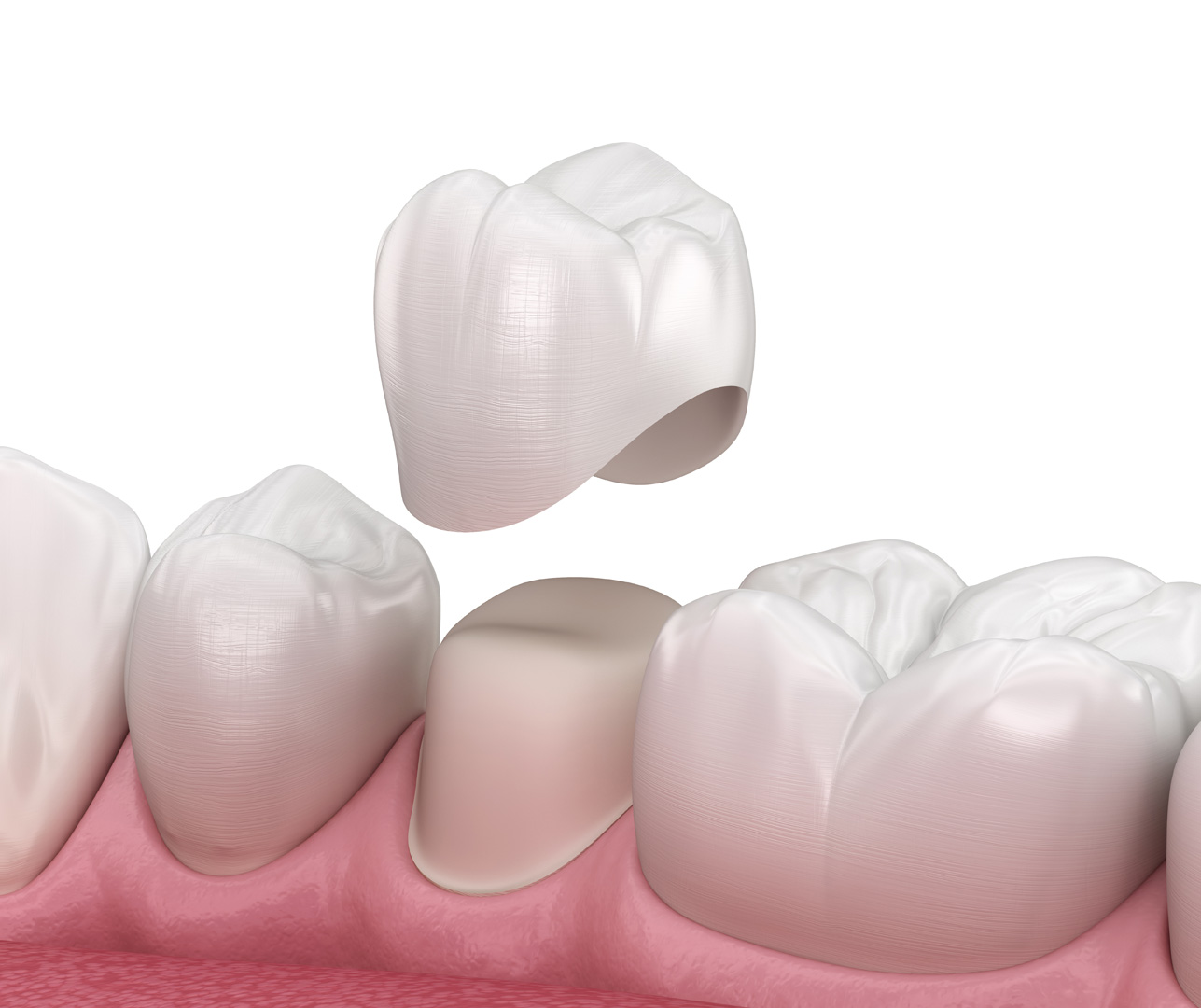
- Porcelain crown: budget $900–$1,500; upmarket $2,000–$4,000
- Molar root canal (treatment only): budget $1,000–$1,600; upmarket $1,800–$3,000
- Single implant (implant + abutment + crown): budget $2,500–$4,000; upmarket $5,000–$7,000+
- Porcelain veneer (per tooth): budget $1,200–$1,800; upmarket $2,500–$4,500
Sources: AL Dental Studio NYC crown guide and NYC implant guide; InStyle Dental root-canal-in-NYC guide; Dr Alex NYC cosmetic pricing, which puts high-end NYC veneers at $2,000–$4,500 per tooth and premium implants at $4,500–$6,000+.
Boston - High, but Dental Schools Pull the Floor Down
Boston tracks close to New York, with the useful exception that three dental schools offer sharply reduced fees. Cash ranges for 2026:
- New-patient exam + cleaning + X-rays: budget $90–$220; upmarket $250–$500
- Composite filling: budget $140–$260; upmarket $280–$500
- Porcelain crown: budget $1,000–$1,600; upmarket $1,900–$4,800
- Molar root canal: budget $900–$1,500; upmarket $1,600–$2,600
- Single implant: budget $3,000–$4,500; upmarket $5,000–$7,000
- Porcelain veneer (per tooth): budget $1,100–$1,800; upmarket $2,200–$4,000
Sources: True Dental Costs puts Boston crowns at $1,380–$4,830; Foreon Dental reports Massachusetts implants averaging around $5,145. For the lowest fees, the Harvard, Tufts, and Boston University dental schools treat patients at reduced rates under faculty supervision.
San Francisco - High-Cost Coastal Market
San Francisco sits alongside New York and Boston at the top of the range, driven by some of the highest overhead in the country. Cash ranges for 2026:
- New-patient exam + cleaning + X-rays: budget $95–$240; upmarket $300–$600
- Composite filling: budget $150–$280; upmarket $300–$550
- Porcelain crown: budget $900–$1,600; upmarket $2,000–$3,500
- Molar root canal: budget $900–$1,600; upmarket $1,800–$2,500+
- Single implant: budget $2,800–$4,500; upmarket $5,000–$7,000
- Porcelain veneer (per tooth): budget $1,200–$1,900; upmarket $2,500–$4,000
Sources: Cebu Dental root-canal-in-San-Francisco guide notes total root-canal-plus-crown costs of $2,000–$5,000; Blue Diamond Dental's California implant guide and the national veneer city guide both place San Francisco in the top pricing tier.
Dallas - The Cheapest of the Four
Dallas is a moderate-cost market and comes in well below the coastal cities. Lower overhead and no Texas state income tax pull operating costs down, and competition keeps budget prices genuinely low - some practices advertise root canals from $599. Cash ranges for 2026:
- New-patient exam + cleaning + X-rays: budget $60–$180; upmarket $200–$400
- Composite filling: budget $90–$220; upmarket $250–$450
- Porcelain crown: budget $800–$1,200; upmarket $1,500–$3,000
- Molar root canal: budget $599–$1,100; upmarket $1,200–$1,600
- Single implant: budget $2,500–$3,800; upmarket $4,200–$6,000
- Porcelain veneer (per tooth): budget $900–$1,500; upmarket $1,800–$2,800
Sources: Willow Family Dentistry's 2026 Texas crown guide puts most Texas crowns at $800–$3,000; Somos Dental reports Dallas root canals from $599; Dallas single-tooth implants commonly run $3,000–$4,800 all-in per local implant guides.
The Pattern: Two Different Gaps
Two separate gaps are stacked on top of each other.
The tier gap (within a city). For the same procedure in the same city, upmarket runs about 2 to 3 times budget - and for cosmetic and surgical work the multiple is often higher. Budget practices and dental schools place implants for as little as $1,500–$2,500, while high-end cosmetic offices charge $4,500–$6,000+ for the same tooth. The gap is smallest on routine cleanings and fillings, and largest on crowns, implants, and veneers.
The city gap (between cities). Dallas undercuts the three coastal cities by roughly 20 to 40 percent across the board, with the difference most visible on root canals and crowns. New York sits at the top, especially for premium cosmetic work.
Why the Gap Exists
The spread is not arbitrary. The main drivers:
- Overhead and rent. A Manhattan or downtown San Francisco practice can carry three to five times the rent and staffing costs of a suburban office, and those costs are passed on.
- Specialist vs generalist. An endodontist typically charges 30 to 60 percent more than a general dentist for a root canal, and prosthodontists and periodontists carry similar premiums.
- Materials and lab. Premium zirconia and high-end US labs cost the dentist more than standard materials or offshore labs - which matters most for a visible front tooth and least for a back molar.
- Cosmetic branding and technology. CBCT scanners, digital and same-day-crown systems, and a luxury patient experience all raise fees.
- Business model. DSO-owned and value chains are built for volume and lower per-procedure pricing; boutique private practices are not. See private vs insurance-driven dentistry.
- Geography and taxes. Texas overhead and the absence of a state income tax are a big part of why Dallas is cheaper than the coastal cities.
Is the Upmarket Price Ever Worth It?
Sometimes - and knowing when is the whole point.
A premium fee is often justified for genuinely complex or surgical cases, cosmetic work on front teeth (where lab quality and an experienced cosmetic dentist visibly change the result), and cases that truly need a specialist. For those, paying more can buy a meaningfully better, longer-lasting outcome.
A premium fee is harder to justify for routine, low-visibility work - a standard posterior crown, a simple filling, a straightforward molar root canal. For those, a competent budget or mid-market practice usually delivers the same clinical result, and the extra cost is largely the ZIP code and the branding.
The trap to avoid is assuming price signals quality in either direction: an expensive quote is not proof of better care, and a cheap one is not proof of a bargain if the work is unnecessary. As our guide on whether your dentist is overcharging you explains, the two questions that matter are whether the procedure is genuinely necessary and whether the fee is defensible for your area.
How to Check Whether Your Quote Is Fair
1. Get an itemised treatment plan with CDT codes. A practice that will not give you codes is one you cannot price-check. See how to read your dental treatment plan. 2. **Look up each procedure on FAIR Health Consumer for your ZIP code, and compare against the ranges above. 3. Call one or two other local practices for a phone quote on the same CDT code - three data points beats one. 4. Get an independent second opinion before anything over about $1,000 or anything irreversible** (crown, root canal, extraction, implant). For the cost-benefit maths, see the dental second opinion cost guide, and bring our questions to ask before treatment.
FAQ
Why is the same crown so much cheaper at another office? Because there is no national dental fee schedule, so each practice sets its own price based on overhead, location, materials, and business model. A budget practice and an upmarket one a few miles apart can legitimately differ by two to three times for the identical crown.
Are budget dentists and dental schools safe? Generally, yes. Dental schools treat patients under experienced faculty supervision, and many budget and DSO practices deliver perfectly good routine care. The trade-offs are usually longer appointments (at schools) and less of a boutique experience - not necessarily worse clinical outcomes for standard work.
Which of these cities is cheapest? Dallas, by a clear margin - roughly 20 to 40 percent below New York, Boston, and San Francisco for most procedures, thanks to lower overhead and no state income tax.
Does a higher price mean better quality? Not by itself. Price can reflect real advantages - specialist skill, better labs, cosmetic expertise - but it can just as easily reflect rent and branding. For routine, non-visible work the clinical result is often identical.
How do I know if I am being overcharged? Compare your itemised, CDT-coded quote against FAIR Health for your ZIP and against the ranges here. A fee more than about 30 percent above the local top of range warrants a conversation; more than 50 percent above warrants a second opinion before you agree.
Is it worth travelling to a cheaper city for dental work? For very large plans the savings can be real, but factor in travel, follow-up, and the harder path to recourse if something goes wrong. The same caution applies to going abroad - see dental work in Mexico.
Final Advice
The price of your dental work depends as much on the door you walk through as on the state of your teeth. Use the ranges above to place any quote you are given: which city, which tier, and whether the number fits. A high quote is not automatically a rip-off, and a low one is not automatically a win - what matters is that the treatment is necessary and the fee is defensible.
If a quote sits above these ranges, or you simply want an unbiased check before spending, upload your X-rays and treatment plan for an independent online second opinion. A licensed dentist will review whether the recommended work is necessary and whether the price holds up, in writing, in under 72 hours - or start with a dental treatment plan review.
Last medically reviewed: July 2026