How to Ask Your Dentist for a Second Opinion (Without the Awkwardness)
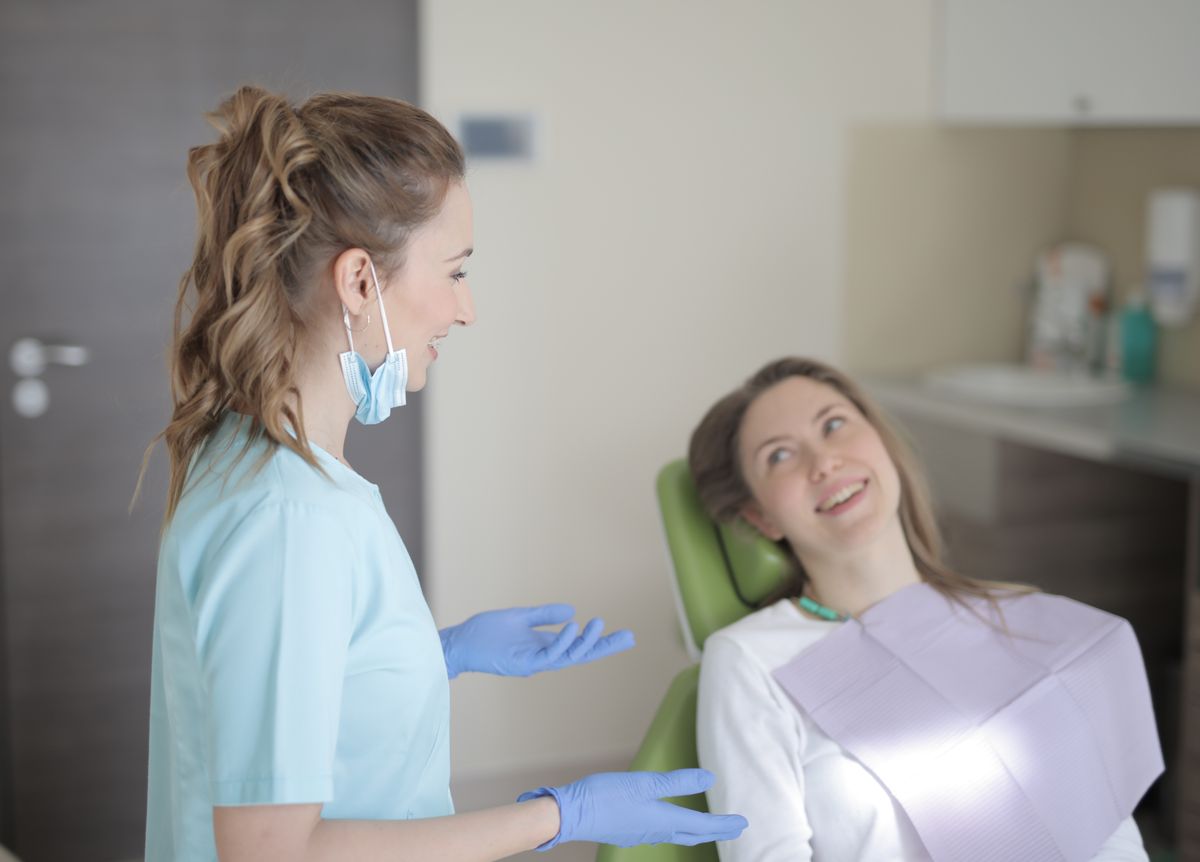
Not sure how to ask your dentist for a second opinion? Copy-paste scripts for in person, phone and text, plus how to request your X-rays and records.
Reviewed by the toothcheck Dental Team Independent dentist providing online second opinions.
You have been handed a treatment plan, maybe a crown, a root canal, an implant or a long list of fillings, and something makes you want to pause. Maybe the cost is bigger than you expected. Maybe you simply do not fully understand why it is needed. Then comes the uncomfortable part: how do you tell the person who has been looking in your mouth for years that you want another dentist to take a look?
Here is the reassuring truth. Asking for a second opinion is normal, it is your right, and it is not disloyal. Dentists hear it all the time, and good ones welcome it. This guide gives you word-for-word scripts for saying it in person, by phone and by message, shows you how to get your records and X-rays, explains how to read your dentist's reaction, and tells you what to do if they push back.
Quick Answer
To ask your dentist for a second opinion, keep it simple and unapologetic: say you would like to take a little time to review the plan and ask for copies of your X-rays and treatment plan. You do not need to justify it or criticize anyone. Then send those records to another licensed dentist for an independent review. A confident, friendly request protects both your health and your wallet, and a good dentist will support it.
Why Asking Is Normal (and Not Disloyal)
Medicine as a whole treats second opinions as routine. Before surgery, a serious diagnosis or a costly procedure, patients are commonly encouraged to get another view. Dentistry is no different. Many dental decisions are genuinely judgment calls: two well-trained dentists can look at the same X-ray and reasonably differ on whether to watch a small spot, fill it, crown a tooth or recommend something more involved.
A second opinion is not an accusation. It is information. If the second dentist agrees, you proceed with far more confidence. If they suggest a different or less invasive route, you have just learned something valuable. If you are weighing the bigger picture of loyalty and trust, our guide on second opinion vs switching dentists explains that you can do one without the other. Many people get a second opinion and stay with their dentist.
For a broader overview of what a second opinion involves, see our dental second opinion guide.
Before You Ask: Get Your Facts Straight
You will have a much smoother conversation if you prepare a few things first.
- Get the plan in writing. Ask for the itemized treatment plan with procedure names, tooth numbers and costs.
- Know which teeth are involved. Note the tooth numbers or locations so the reviewer looks at the right spot.
- Ask what happens if you wait. Understanding the urgency helps you decide how much time you have.
- Write down your questions. Our list of questions to ask a new dentist works just as well for questioning a plan.
If any part of the plan feels vague, that alone is a good reason to look closer. Our article on unnecessary dental work red flags lists the patterns worth noticing.
Scripts You Can Copy and Paste
Pick the setting that suits you. Adjust the wording to sound like yourself.
In person, at the appointment
"Thank you for walking me through this. It is a big decision, so I would like a few days to think it over, and I may get a second opinion as I always do for larger treatment. Could I get a copy of my X-rays and the written treatment plan?"
If you want to be even lighter: "I appreciate the explanation. I like to sleep on bigger decisions. Can you print or email me the plan and my X-rays?"
By phone to the front desk
"Hi, this is [your name], date of birth [DOB]. I would like to request copies of my dental records and my most recent X-rays, plus the treatment plan Dr. [name] gave me on [date]. Could you email them to me? How long does that usually take?"
You do not need to explain why. Front desk staff process record requests every week.
By email or patient-portal message
"Hello, I would like to request a copy of my dental records, including all X-rays and the current treatment plan with itemized costs. Please send them electronically to this email address. I am taking time to review the plan before scheduling. Thank you for your help. Please let me know if you need anything else from me, such as a signed release form."
Text message to your dentist
"Hi Dr. [name], thanks again for explaining the plan. I am going to take a few days to review it and get a second opinion before scheduling. Could your office send me my X-rays and the treatment plan? I appreciate it."
If you want to be fully transparent and warm
"I really trust you and I want to feel completely confident about this. For anything this size I like another set of eyes. I hope that is okay."
That last line tends to land well because it frames the request around your comfort, not their competence.
How to Request Your Records and X-Rays
The mechanics are simpler than most people expect. In the United States, you generally have the right to a copy of your own dental records, and most practices send X-rays digitally.
1. Ask the front desk by phone, email or portal message using one of the scripts above. 2. Request specifics: all X-rays from the last few years (bitewings, periapicals and any panoramic image), the clinical notes for the area in question and the itemized treatment plan. 3. Ask for digital copies in an emailed file, download link or portal export. Digital files are better for review than photos of a screen. 4. Expect a short wait. Many offices send them the same day or within a few days. Some ask you to sign a records release form. 5. Follow up politely if a week passes with nothing.
Our step-by-step walkthrough, how to get dental records and X-rays, covers fees, forms and what to do if the office is slow. If you want to understand what reviewers look for in the images, see our page on dental X-ray review.
Good Reaction vs Warning Sign
How your dentist responds tells you a great deal. Here is a quick way to read it.
| What your dentist does | What it usually means |
|---|---|
| Says "of course" and sends your X-rays promptly | A confident, patient-first practice. Good sign. |
| Offers to talk through the plan again or explain their reasoning | They want you to understand and decide freely. |
| Says there is no rush for non-urgent treatment | Healthy approach. Time to decide is normal. |
| Gets defensive, offended or cold | Possible warning sign. A second opinion should not trigger hostility. |
| Says the price or offer expires today | Pressure tactic. Treat it with caution. |
| Is slow or reluctant to hand over your records | Worth noting. You are entitled to your records. |
| Implies you are being disloyal or doubting them | A red flag for how they handle patient autonomy. |
One awkward reaction does not prove bad intentions. Some dentists are simply busy or caught off guard. Look at the overall pattern. If you want to go deeper, our article on how to check if a dentist is legit and the guide to how to find a dentist you can trust can help.
What to Do If Your Dentist Pushes Back
Even in a good practice, you might get a little friction. Stay calm and polite, and use short, firm lines.
If they say you should decide today: "I understand it is a recommendation, and I would still like a few days. If anything about my situation is urgent, please tell me what the risk is of waiting."
If they say the discount ends today: "I appreciate that, but I do not make decisions this size on the spot. If the offer expires, that is okay."
If they act hurt: "This is not about you. I just always get another opinion for larger treatment, and I would like to make this decision with confidence."
If the office stalls on records: "I would like my records and X-rays by [date]. Could you tell me what you need from me to get them to me by then?"
If they say it is urgent: Ask: "What specifically happens if I wait a week? Is there infection, swelling or risk to the tooth?" True emergencies exist, such as facial swelling, fever or severe pain, and those need prompt care. A non-emergency can nearly always wait for a short review. You can read more about why recommendations sometimes differ in why some dentists recommend less treatment.
Remember, if your request is met with persistent pressure, that is useful information in itself, and you are free to take your records and go elsewhere. Our guide on how to switch dentists makes that smooth.
Your Two Paths With toothcheck
Once you have your records, you have two simple ways to get an independent view through toothcheck.
**Path 1: request a free second opinion from a network dentist.** If we have a network dentist near you, you can request a free second opinion from a vetted, conservative dentist in our network. You request it through toothcheck and we follow up within 72 hours. The network is live in a few select US metros and is still growing, so we will tell you honestly if we do not have a match near you yet. Network dentists have committed in writing to the least-invasive option that will do the job, which is the whole point of the network.
**Path 2: online second opinion for 59 dollars.** If you would rather have a fast, independent review from anywhere, our online second opinion gives you a licensed dentist's written report on your X-rays and treatment plan for a flat 59 dollars. You upload your plan and images and get plain-English answers about what is necessary, what could wait and what questions to take back to your dentist. If you are wondering whether that is worthwhile, see is a dental second opinion worth the cost and the dental second opinion cost guide.
The online path is built on exactly what you just gathered: a treatment plan review based on your records. You can read about how we think about care in our manifesto and meet the toothcheck dental team.
For general background on dental care and oral health, the American Dental Association and the National Institute of Dental and Craniofacial Research are good reference points.
FAQ
Is it rude to ask my dentist for a second opinion?
No. It is a normal, expected part of healthcare, especially before major or expensive treatment. A good dentist will not take it personally and will often encourage it.
Do I have to tell my dentist I am getting a second opinion?
You are not required to explain. You do need copies of your X-rays and treatment plan so the second dentist can review the same information, and asking for those is routine. A simple "I would like copies of my records" is enough.
Can my dentist refuse to give me my X-rays?
In general, patients have a right to access their own dental records, and practices usually provide X-rays digitally within days. Rules and allowed fees vary by state, so if you hit resistance, ask politely for the practice policy in writing and consider contacting your state dental board.
What if my dentist pressures me to decide right away?
Pressure to book immediately is a warning sign unless you have a true emergency such as swelling, fever or severe pain. For most treatment plans a short pause to get a second opinion carries little risk. A calm "I would like a few days to think it over" is a fair response.
How do I ask for a free second opinion through toothcheck versus the 59-dollar report?
If we have a network dentist near you, you can request a free second opinion from a vetted, conservative dentist in our network. You request it through toothcheck and we follow up within 72 hours. The network is live in a few select US metros and is still growing, so we will tell you honestly if we do not have a match near you yet. If you would rather have a fast, independent review from anywhere, the online second opinion is a licensed dentist's written report on your X-rays and treatment plan for a flat 59 dollars.
What should I send for a second opinion?
Your treatment plan or estimate, plus recent X-rays (bitewings, periapicals or a panoramic image) if you have them. Photos of the affected area and a short note about your symptoms also help.
Final Word
Asking for a second opinion is not a vote of no confidence. It is you taking responsibility for a decision that affects your health and your budget, and any good dentist understands that. Use the script that fits, get your records, and let someone independent take a look before you commit.
If you would like a conservative second view, request a free second opinion from a network dentist where we have one near you, or get a licensed dentist's written report from anywhere with our online second opinion for 59 dollars.
Last medically reviewed: October 2026