How We Vet Dentists for Our Trusted Network
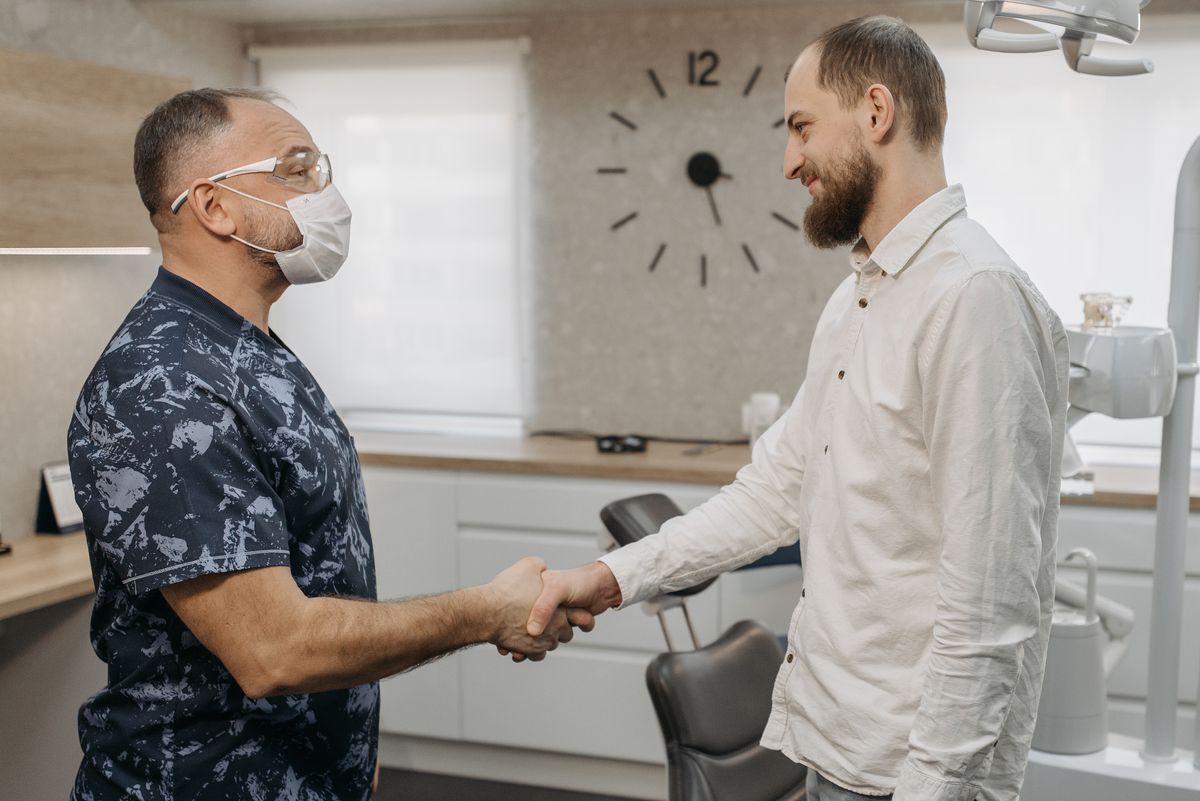
How we vet dentists for our Trusted Network: the written commitments every conservative dentist makes, what vetted really means, and what it does not.
Reviewed by the toothcheck Dental Team Independent dentist providing online second opinions.
If you are going to trust a name on a list, you deserve to know what got them onto it. Most "find a dentist" tools never explain. A badge appears, a star rating appears, and you are left to guess what either one means.
So here is how we vet dentists for our Trusted Network, in plain terms. We will cover the standard every network dentist commits to in writing, what that does and does not prove, and where the network stands today. We are early, and we would rather be honest about that than oversell it.
Quick Answer
How we vet dentists comes down to written commitments. Every dentist in the Trusted Network agrees to offer the least-invasive effective option first, provide itemized written treatment plans, show you the evidence behind a recommendation, welcome second opinions without defensiveness, and not scale treatment to your insurance. That is what "vetted conservative dentist" means here. It does not mean we have audited every clinical decision they have ever made.
Why a Network at All?
Our core product is an online dental second opinion: a licensed dentist reviews your X-rays and treatment plan and sends a written report. That works from anywhere. But a report cannot examine your mouth, and some people want an in-person dentist who shares the same philosophy.
The problem is that finding one is hard. As we explain in how to find a dentist you can trust, reviews, websites, and insurance directories tell you very little about whether a dentist will recommend the minimum effective treatment or the maximum billable one. The network is our attempt to make that standard visible and written down.
Our broader reasoning is laid out in our manifesto.
The Standard Every Network Dentist Commits To
These are the commitments. A dentist joins the network by agreeing to them in writing, and we hold the relationship to them.
1. The least-invasive effective option comes first
If a problem can be monitored, treated with a small filling, or managed with a less aggressive approach that actually works, that option is presented first. The aim is the same philosophy described in what a conservative dentist is: preserve healthy tooth structure and escalate only when the evidence supports it.
This is evidence-based dentistry, not anti-treatment. Sometimes the right answer is a crown or a root canal, and a conservative dentist will say so plainly.
2. Itemized, written treatment plans
You should leave with a document, not a verbal summary. Each procedure is listed with the tooth involved, the reason, and the cost. An itemized plan is what makes a real second opinion possible, and it makes it easy to spot the vague or bundled line items described in unnecessary dental work red flags.
3. Showing you the evidence
If a dentist says a tooth needs work, they should be willing to show you the X-ray, the intraoral photo, or the probing numbers behind that claim, and explain it in language you can follow. Being asked "can you show me?" should never be a problem.
4. Welcoming second opinions
A confident dentist does not get defensive when you want another set of eyes. Network dentists commit to treating a second opinion as a normal part of care. We cover why this matters in second opinion vs switching dentists.
5. Not scaling treatment to your insurance
Treatment recommendations should follow clinical need, not the size of your annual maximum or the leftover benefits at the end of the year. This is one of the most common patient worries, and one we make an explicit commitment on.
What "Vetted" Means, and What It Does Not
This is the section most directories skip, so we will not.
| What vetted means | What vetted does not mean |
|---|---|
| The dentist has agreed in writing to the five commitments above | We have audited every clinical decision they have made |
| We check licensure and standing with the relevant dental board | We guarantee a particular outcome or diagnosis |
| The dentist knows patients may arrive with a second opinion from us | A network dentist is always cheaper or always recommends less |
| We follow up with patients and act on feedback that the standard was not met | The network is large, nationwide, or complete |
| The standard is public so you can hold the dentist to it | Every dentist outside the network is worse |
The honest version is this: we vet against commitments and conduct, we respond when patients tell us a dentist fell short, and we are open about the limits. A written standard is a meaningful filter, but it is not a clinical audit, and you should still ask good questions at any practice. Our list of questions to ask a new dentist is a useful companion.
Where the Network Stands Today
The Trusted Network is request-based, live in a few select US metros, and still growing. We are not going to claim a large or nationwide directory, because we do not have one yet. If we do not have a dentist near you, we will say so instead of pointing you to someone who does not meet the standard.
That is also why the network is request-based rather than a public searchable list. We would rather match you to a dentist who fits than publish a thin directory that looks bigger than it is.
How to Judge Any Dentist, In or Out of the Network
The standard above is useful as a checklist for any practice. Whether or not a dentist is in our network, you can ask:
- Can you give me an itemized written treatment plan?
- Is there a less invasive option, and what are its trade-offs?
- Can you show me the X-ray or photo for this tooth?
- What happens if we wait and monitor?
- Would you be comfortable with me getting a second opinion?
Good dentists answer these calmly. Our guides on how to find a dentist who will not overtreat you and what minimally invasive dentistry is go deeper. For official background on oral health and dental care, the ADA and NIDCR are good references.
Two Ways to Get a Second Opinion From Us
If we have a network dentist near you, you can request a free second opinion from a vetted, conservative dentist in our network. You request it through toothcheck and we follow up within 72 hours. The network is live in a few select US metros and is still growing, so we will tell you honestly if we do not have a match near you yet.
If you would rather have a fast, independent review you can use from anywhere, our online second opinion gives you a licensed dentist's written report on your X-rays and treatment plan for a flat 59 dollars. It is separate from the network, and it stays available whether or not we have a dentist in your area.
FAQ
What does vetted mean for a dentist in the toothcheck network? It means the dentist has agreed in writing to a specific set of patient-facing commitments, such as offering the least-invasive effective option first and giving itemized written treatment plans. We vet against those commitments. We do not claim to have audited every clinical decision a dentist has ever made.
Is the Trusted Network available everywhere in the US? No. The network is request-based, live in a few select US metros, and still growing. If we do not have a dentist near you yet, we will tell you honestly rather than send you somewhere that does not meet the standard.
Can I get a free second opinion from a network dentist? If we have a network dentist near you, you can request a free second opinion from a vetted, conservative dentist. You request it through toothcheck and we follow up within 72 hours. If there is no match near you yet, or you want something fast and independent from anywhere, the online second opinion is a licensed dentist's written report for a flat 59 dollars.
Do network dentists get paid for referrals or for recommending treatment? The standard asks network dentists not to scale treatment to your insurance coverage, and the written second opinion report is independent of any dentist who might treat you. You should still ask any dentist, network or not, to explain why they recommend what they recommend.
What if a network dentist recommends treatment anyway? Conservative does not mean never treating. It means the least-invasive option that effectively solves the problem comes first, and the reasons are shown to you. If a dentist recommends treatment, the standard says they should show you the evidence and welcome you getting another opinion.
Is a network dentist better than my current dentist? Not necessarily. Plenty of dentists practice conservatively without being in our network. The network simply makes the standard explicit and written down, which can help if you are unsure about a treatment plan you have been given.
Final Word
A trustworthy dentist is not a mystery you have to solve alone. The standard is simple: the least-invasive effective option first, a written itemized plan, evidence you can see, openness to second opinions, and treatment that follows clinical need rather than insurance. You can learn more about who reviews our work on our team page. If we have a dentist near you, request a free second opinion from our Trusted Network and we will follow up within 72 hours, and if we do not yet, we will tell you honestly.
Last medically reviewed: October 2026