Is Mouthwash Necessary? What It Actually Does (and Does Not)
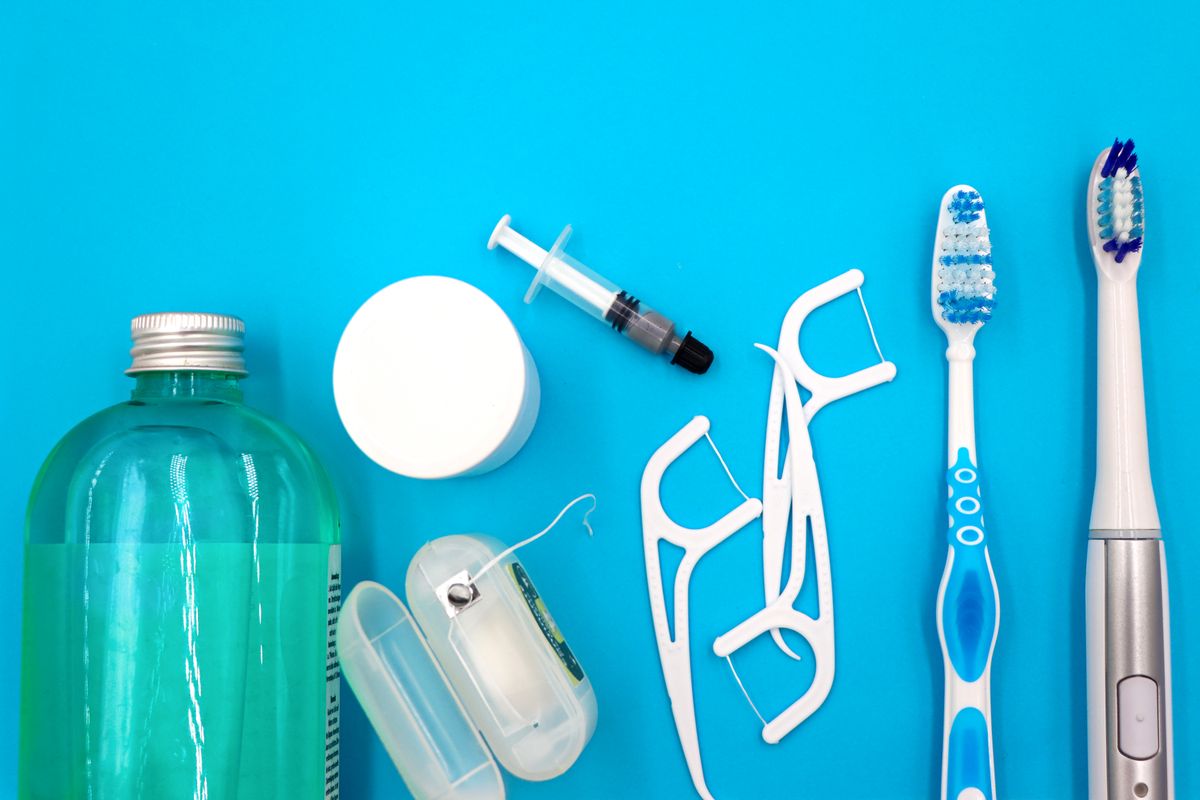
Is mouthwash necessary? Learn which rinses actually protect teeth and gums, which only mask odor, and who genuinely benefits from using one daily.
Reviewed by the toothcheck Dental Team Independent dentist providing online second opinions.
Mouthwash occupies a huge shelf in the pharmacy and a lot of people feel vaguely guilty if they skip it. The marketing implies that brushing alone leaves the job half done and that a rinse finishes it. The reality is more nuanced: some rinses do have measurable benefits, others are essentially flavored water that makes your breath smell pleasant for a short while.
The useful question is not "is mouthwash good or bad" but "which kind is this, and is there a reason for me to use it?" This article separates the categories, explains what each one can and cannot do, and covers the common mistakes, such as rinsing away your fluoride right after brushing.
Quick Answer
Is mouthwash necessary? For most people who brush twice a day with fluoride toothpaste, clean between their teeth daily and see a dentist regularly, no, it is an optional extra rather than a requirement. Mouthwash is never a substitute for brushing or interdental cleaning, because it does not physically remove the sticky plaque film from tooth surfaces. It does have real value in particular situations: a fluoride rinse for people at higher risk of cavities, a short course of an antibacterial rinse for active gum inflammation, or an alcohol-free rinse for dry mouth.
Cosmetic vs Therapeutic: The Distinction That Matters
The American Dental Association describes mouthwashes in two broad groups. Cosmetic rinses temporarily control bad breath and leave a pleasant taste, but they have no lasting effect on bacteria, plaque or decay. Therapeutic rinses contain active ingredients intended to reduce or prevent conditions such as cavities, plaque, gingivitis or bad breath-causing bacteria.
| Type | Typical active ingredient | What it does | What it does not do |
|---|---|---|---|
| Cosmetic rinse | Flavoring, sometimes zinc or other odor neutralizers | Freshens breath briefly | Does not reduce plaque, gum inflammation or decay |
| Fluoride rinse | Sodium fluoride | Helps strengthen enamel and prevent cavities | Does not treat gum disease; no replacement for brushing |
| Essential-oil rinse (OTC) | Menthol, thymol, eucalyptol, methyl salicylate | Modestly reduces plaque and gingivitis alongside brushing and flossing | Does not remove plaque on its own; can sting |
| Cetylpyridinium chloride (CPC) rinse (OTC) | CPC | Modestly reduces plaque and gingivitis | May cause temporary staining or taste changes in some users |
| Chlorhexidine rinse | Chlorhexidine gluconate (prescription) | Reduces plaque and gingivitis in the short term | Not for long-term use; can stain teeth and tongue and alter taste |
Reading the table, the practical takeaway is to check the label for the active ingredient rather than the flavor or the promises on the front of the bottle. If there is no active ingredient listed, you are buying a cosmetic product.
What Mouthwash Cannot Replace
Dental plaque is a sticky biofilm, a structured community of bacteria that adheres to teeth. A liquid swished around the mouth can reach some bacteria, but it cannot scrub that film off the surfaces and from the contact points between teeth. That is why brushing with fluoride toothpaste and cleaning between the teeth remain the foundation of home care.
If you are wondering which tools to use between teeth, our comparison of floss, interdental brushes and water flossers explains how to choose. If your main reason for reaching for mouthwash is odor, read bad breath causes and fixes first, because the source is often the tongue, the gums or a dry mouth rather than something a rinse can fix.
When a Rinse Genuinely Helps
Higher cavity risk: fluoride rinse
People who get cavities repeatedly, have exposed root surfaces from gum recession, wear orthodontic appliances, have a dry mouth or follow a diet with frequent sugar exposure can benefit from the extra fluoride. A fluoride rinse used once a day, at a time separate from brushing, adds topical fluoride to the enamel surface. Your dentist may recommend a specific strength; over-the-counter fluoride rinses are generally intended for people old enough to reliably spit rather than swallow, so children under six should not use them unless a dentist or pediatrician advises it.
Active gingivitis: a short course of antibacterial rinse
Gingivitis is the early, reversible stage of gum disease, with red, puffy gums that bleed when you brush. The first-line treatment is better plaque removal, but a therapeutic rinse can help while you improve your technique. Essential-oil and CPC rinses have evidence for modest reductions in plaque and gum inflammation as an add-on to mechanical cleaning. Chlorhexidine is stronger, but it is a prescription product that is typically used for a limited period, for example after gum surgery or during a flare-up, as directed by a dentist.
Braces and other orthodontic appliances
Brackets and wires create many more places for plaque to hide, and the risk of white-spot lesions (early decalcification around brackets) rises. A fluoride rinse is a common recommendation for patients in braces, alongside meticulous brushing and interdental cleaning.
Dry mouth
Reduced saliva raises the risk of cavities and gum problems, because saliva is the mouth's natural buffer and rinse. Alcohol-containing mouthwashes can leave the mouth feeling even drier and more irritated. If dry mouth is a concern, choose an alcohol-free product and talk to your dentist or doctor about the cause, since many common medications are responsible.
Mistakes That Cancel the Benefit
Rinsing right after brushing
Fluoride toothpaste works partly because a thin film of fluoride stays on the teeth after brushing. The ADA recommends that you spit out the excess toothpaste and not rinse with water, and the same logic applies to rinsing with mouthwash immediately afterward: you wash the fluoride away. If you use a rinse, schedule it at a different time, such as after lunch or at least some time apart from brushing.
Using a cosmetic rinse to cover a problem
Persistent bad breath, bleeding gums or a bad taste are signals, not nuisances to be masked. Covering them with a minty rinse can delay a diagnosis of gum disease, a cavity or another issue that is easy to treat early and harder to treat later.
Swallowing it or giving it to young children
Mouthwash is not meant to be swallowed, and accidental swallowing by children is a recognized safety concern, especially with fluoride and alcohol-containing products. Keep it out of reach of young children and supervise use in older ones.
Long-term chlorhexidine without supervision
Brown staining of the teeth and tongue and altered taste are well-known effects of prolonged chlorhexidine use. It is a tool for a defined period, not a daily habit.
How to Choose One
- Look for the ADA Seal of Acceptance, which indicates that the manufacturer has submitted evidence of safety and effectiveness for the stated claims.
- Match the product to the goal: fluoride for decay prevention, essential-oil or CPC for plaque and gingivitis, alcohol-free for dry mouth or sensitivity.
- Check the label for directions, including the amount to use and how long to swish, as these vary by product.
- Ask your dentist or hygienist if you are unsure. They can see whether your gums, enamel and plaque pattern suggest you would benefit.
For more on the ADA's guidance, see the American Dental Association's patient site at MouthHealthy and the ADA Seal of Acceptance program at ada.org.
FAQ
Is mouthwash necessary if I brush and floss?
For most people with good brushing, cleaning between the teeth and regular checkups, a daily mouthwash is not strictly necessary. It can add a modest benefit in specific situations, such as a higher decay risk or active gum inflammation, but it does not replace mechanical cleaning.
Should I use mouthwash before or after brushing?
If you use a fluoride toothpaste, avoid rinsing with water or mouthwash right after brushing, because it washes away the fluoride left on your teeth. Use mouthwash at a different time of day, or simply spit out the toothpaste and skip the rinse.
Is alcohol-free mouthwash better?
Not necessarily more effective, but it is often more comfortable. Alcohol can sting and may worsen dry mouth, so alcohol-free rinses are usually the better choice for people with dry mouth, sensitive tissues or a history of mouth sores.
Can I use chlorhexidine mouthwash every day long term?
Chlorhexidine is a prescription-strength antibacterial rinse generally used for short periods under a dentist's direction. Longer use can stain the teeth and tongue and alter taste, so it is not an everyday product.
Does mouthwash cure bad breath?
Cosmetic rinses only mask odor for a short time. Persistent bad breath usually comes from bacteria on the tongue and between the teeth, or from gum disease, so the underlying cause needs to be addressed.
Final Thoughts
Mouthwash is an accessory, not a foundation. If your brushing, interdental cleaning and checkups are solid and you have no special risk factors, you can skip it without guilt. If you have frequent cavities, gum inflammation, braces or dry mouth, the right therapeutic rinse can be a useful addition, ideally chosen with your dentist's input and used at a different time than your fluoride toothpaste.
If a dentist has recommended a long list of products or treatments and you are not sure what is truly needed, an online dental second opinion can help you sort the essentials from the extras.
Last medically reviewed: October 2026