Root Canal vs Implant: Which Lasts Longer?
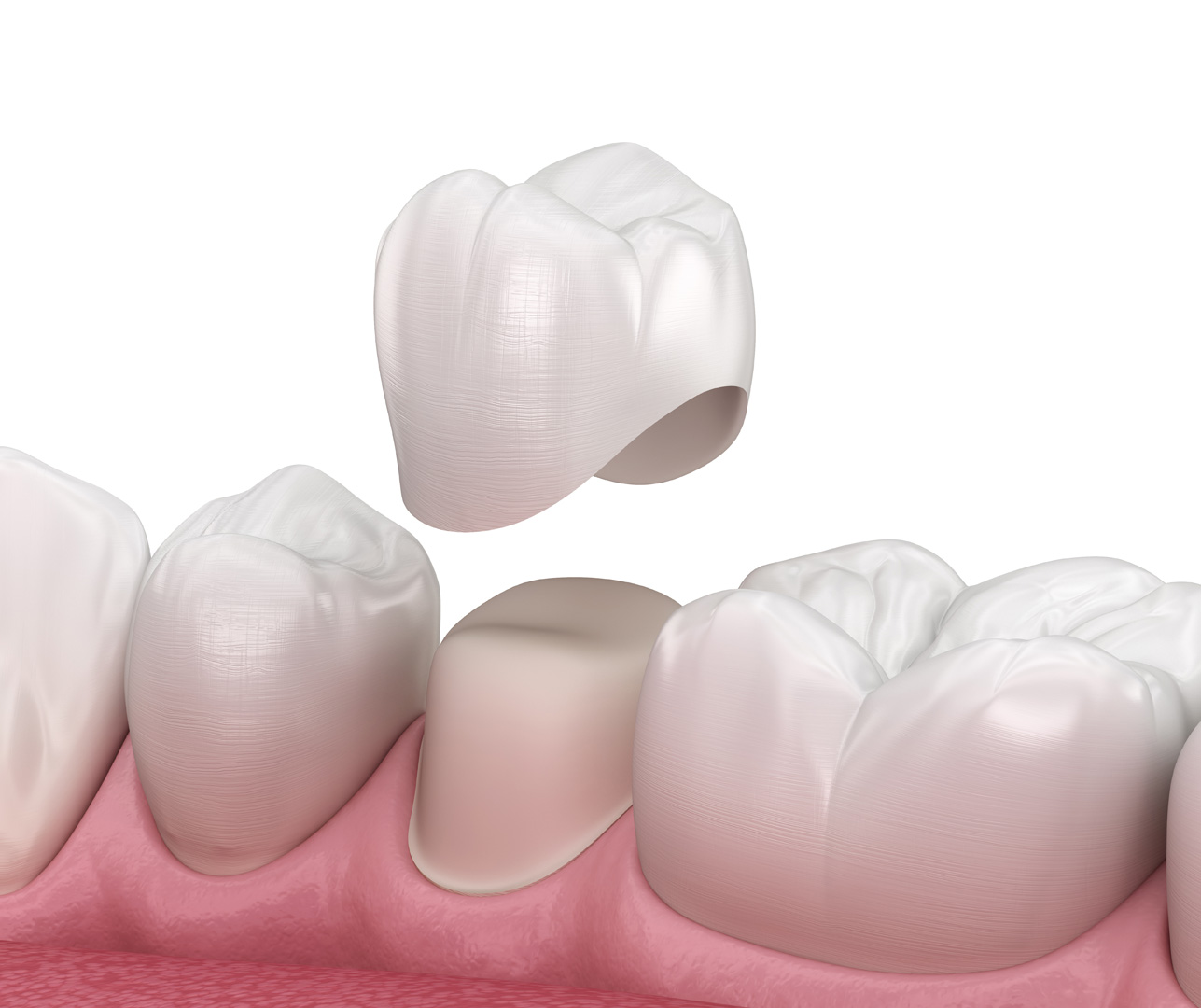
Root canal vs implant: a data-driven comparison of longevity, cost, recovery, and outcomes. When saving the tooth wins and when extraction plus implant is the smarter choice.
Reviewed by the toothcheck Dental Team
If your dentist told you that you need a root canal — or that the tooth is beyond saving and needs an implant — you are facing one of the most common and most consequential decisions in dentistry.
Both options can restore function and eliminate pain. But they differ dramatically in cost, longevity, recovery, and long-term oral health impact. This guide compares root canals and dental implants across every dimension that matters, using published research so you can make an informed choice.
Quick Comparison
| Factor | Root Canal + Crown | Implant + Crown |
|---|---|---|
| Average cost | $1,500-$3,000 | $3,000-$6,000 |
| Average lifespan | 10-15 years | 15-25 years |
| Success rate | 85-95% at 10 years | 95-98% at 10 years |
| Recovery time | 1-3 days | 1-2 weeks |
| Preserves natural tooth | Yes | No |
What Is a Root Canal?
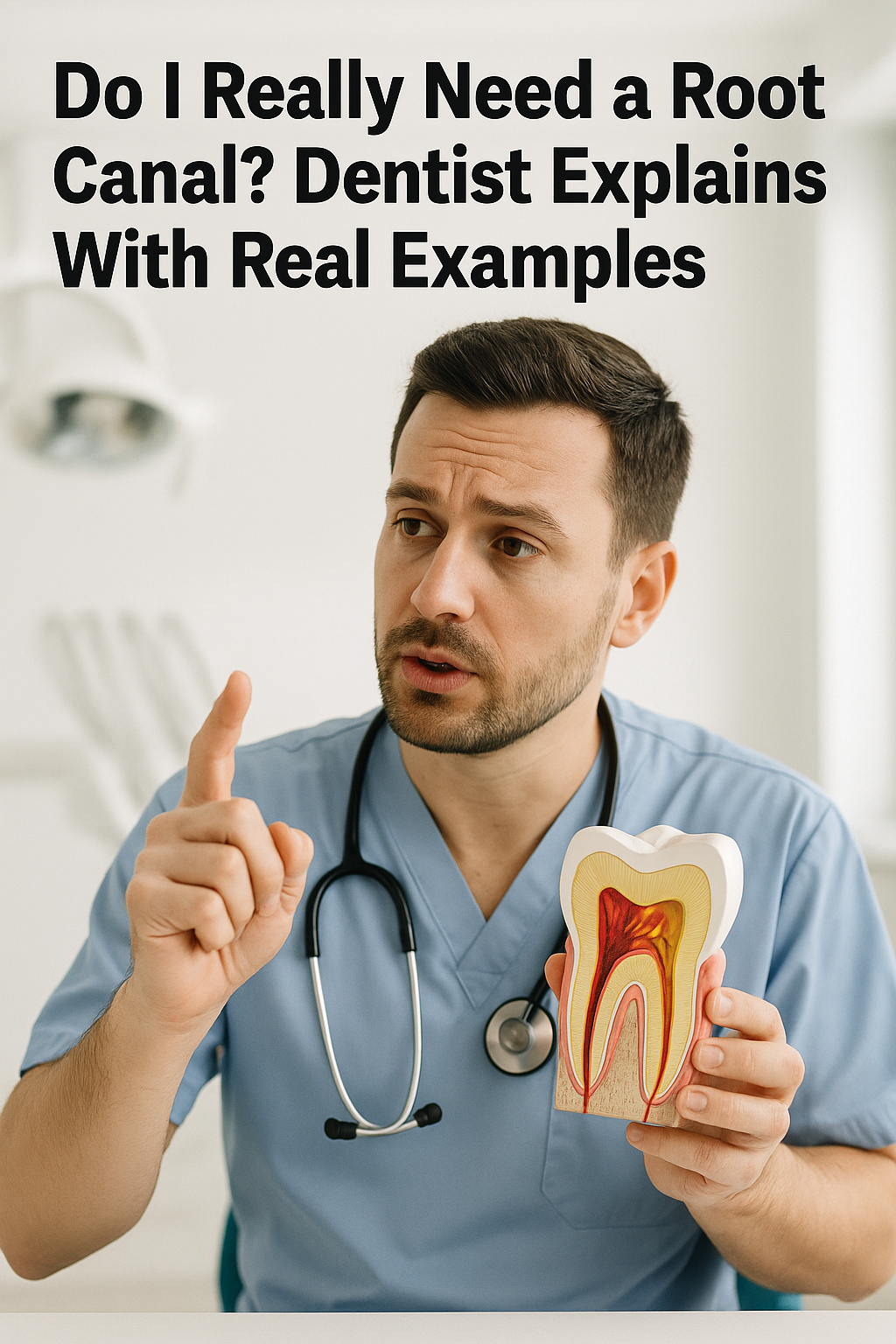
A root canal removes infected or inflamed pulp tissue from inside the tooth, cleans and disinfects the canal system, then seals it with a biocompatible material. The tooth is then restored with a crown to protect it from fracture.
The goal is to save your natural tooth. Even with modern implant technology, preserving a natural tooth is almost always the preferred biological option because your own tooth retains its periodontal ligament, which provides sensory feedback and helps maintain surrounding bone. Natural teeth also have proprioception — the ability to sense pressure and position — which implants cannot replicate.
A study published in the Journal of Endodontics examining 1.5 million teeth over eight years found that teeth treated with root canal therapy survived at rates comparable to implants, with the added benefit of natural tooth retention. The study concluded that saving a natural tooth should always be the first-line treatment when clinically possible.
What Is a Dental Implant?
A dental implant is a titanium or zirconia post surgically placed into the jawbone, acting as an artificial tooth root. After several months of healing — during which the implant fuses with bone through osseointegration — a crown is attached.
Implants are the gold standard for replacing teeth that cannot be saved. Indications include vertical root fractures, severe bone loss around the tooth, non-restorable decay below the gum line, or failed root canals that cannot be retreated. According to the American Academy of Implant Dentistry, over 500,000 implants are placed annually in the United States alone.
Lifespan Comparison
Root canal longevity: A systematic review in the International Endodontic Journal found that root-canal-treated teeth have a 10-year survival rate of 85-95% when properly restored with a crown. A separate 20-year follow-up study found that 74% of root-canaled molars remained functional after two decades. The most common causes of failure are new decay, crown dislodgement, or cracked tooth syndrome.
Implant longevity: A 2023 meta-analysis in the Journal of Clinical Periodontology reported dental implant 10-year survival rates of 95-98%. After 20 years, survival drops to approximately 82%. Causes of implant failure include peri-implantitis (inflammation around the implant), mechanical failure of the crown, and insufficient bone quality at placement.
The practical takeaway: Implants have a slight statistical edge in raw longevity, but a root-canaled tooth that survives the first five years has an excellent chance of lasting decades. Many root canal "failures" are actually crown failures — the tooth itself is fine but the restoration needs replacement.
Cost Comparison
Root canal costs by tooth type: anterior ($700-$1,200), premolar ($800-$1,500), molar ($1,000-$2,000). An endodontist (root canal specialist) typically charges 30-50% more than a general dentist. Adding a crown brings the total to $1,500-$5,000.
Implants cost: placement surgery ($1,500-$3,000), abutment ($300-$500), crown ($1,000-$3,000), plus any needed bone graft ($300-$3,000) or sinus lift ($1,500-$3,000). Total implant: $3,000-$6,000, and more with grafting.
The lifetime cost comparison changes dramatically when you factor in crown replacement. A root-canaled tooth typically needs one crown replacement after 10-15 years, adding another $1,000-$2,500 to the total. A single implant crown may also need replacement at 10-15 years, but the implant itself should last. Over 30 years, a root canal averages $3,000-$6,000 in total costs, while an implant averages $4,500-$9,000 — roughly 50% more expensive.
Most dental insurance covers root canals at 50-80%. Implants are often covered at 50% and more likely to hit annual maximum caps of $1,500-$2,000. Medical insurance may cover implant surgery if tooth loss resulted from trauma or a medical condition.
Recovery and Pain
Root canal recovery takes 1-3 days with OTC pain relief. A study in the Journal of the American Dental Association found 90% of root canal patients rated post-treatment pain as mild or none. The procedure is no more uncomfortable than getting a filling when properly numbed.
Implant recovery involves 3-6 months of healing, prescription pain medication for 1-2 days, a soft food diet for 1-2 weeks, and swelling for 3-7 days. Smoking significantly impairs healing and may disqualify you as an implant candidate.
When Each Option Wins
Choose root canal when: The tooth has sufficient remaining structure, no vertical fracture, adequate gum support, and budget is a concern. Preserving the natural tooth is almost always biologically preferable.
Choose an implant when: The tooth has a vertical root fracture, decay below the gum line that cannot be restored, or a failed root canal that cannot be retreated. Implants are also the right choice for replacing already-missing teeth.
Maintenance Differences
Root-canaled teeth need normal brushing and flossing. The crown may need replacement after 10-15 years. Night guards are recommended for patients who grind, as excessive forces can crack both natural teeth and crowns.
Implants require meticulous hygiene to prevent peri-implantitis, which affects 10-20% of implants within 10 years. They cannot get cavities but the surrounding gum is more inflammation-prone. Regular professional maintenance with specialized implant cleaning tools is essential.
Real toothcheck Review: Extraction That Became a Root Canal
In one real anonymised toothcheck review, a patient was told by their treating dentist that tooth #19 needed extraction and an implant. The treating dentist cited a crack extending into the root. An independent review of the same X-rays by the toothcheck Dental Team determined the crack was superficial and did not extend into the canal system. The recommendation was changed to root canal therapy plus crown. The tooth remains functional years later.
Cases like this are not rare. A 2021 survey in the Journal of Endodontics found that endodontists deemed 30% of teeth recommended for extraction by general dentists to be restorable with root canal therapy.
Why a Second Opinion Matters
This decision carries high stakes. A 2017 study in PLOS ONE found that dentists disagree on treatment recommendations for complex cases up to 50% of the time. An implant generates 2-3 times the revenue of a root canal — the financial incentive is real.
If your dentist says your tooth is not restorable, see an endodontist for a second opinion before agreeing to extraction. See our guide to What Is a Dental Treatment Plan Review? for how to evaluate your options. Endodontists are specialists trained to save teeth that general dentists may consider hopeless.
FAQ
Can a root canal be done after an implant? No. An implant replaces the entire tooth.
Do implants feel like natural teeth? Similar but lack the periodontal ligament that provides fine sensory feedback.
Can a failed root canal be replaced with an implant? Yes. This is one of the most common indications for implant placement.
Which option has a higher success rate? Implants slightly (95-98% vs 85-95%), but the gap narrows when comparing only properly crowned root canals.
Does insurance cover root canals better? Generally yes. Root canals are standard covered procedures. Implants may have lower coverage and hit annual maximums faster.
Final Advice
If your tooth can be saved with a root canal, saving it is almost always the right first choice. Natural teeth have biological advantages implants cannot replicate. Implants are excellent replacements for teeth that cannot be saved — they are not superior to healthy natural teeth.
Get an independent review of your X-rays before deciding.
Upload your X-rays to ToothCheck for a flat $59 fee. Get an independent second opinion in under 72 hours.
Last medically reviewed: June 2026