Dental Work Under Anesthesia for Kids: Get a Second Opinion
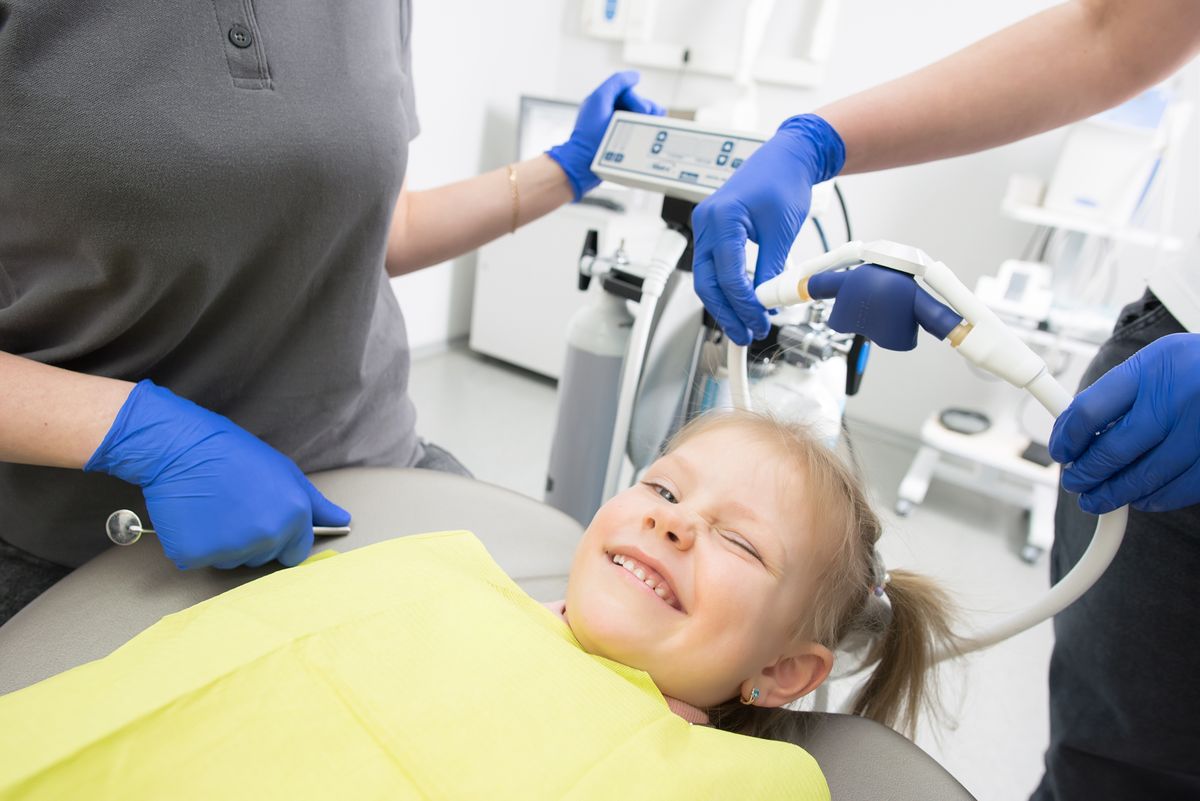
A dentist recommending general anesthesia or sedation for your child can be frightening. Learn the full range of options, why general anesthesia is the most variable recommendation in pediatric dentistry, the questions to ask, and when it is genuinely the safest choice.
Reviewed by the toothcheck Dental Team Independent dentist providing online second opinions.
Few things a dentist says land as hard as "your child needs to be put under for this." If you have just heard that your child needs dental work under general anesthesia or sedation, it is completely normal to feel frightened — and it is reasonable to pause before you agree.
Quick Answer
General anesthesia is sometimes the right and safest choice for a child, but it is also the most regionally variable recommendation in pediatric dentistry, and it carries real medical and financial weight. Most children can be treated with local anesthesia, nitrous oxide (laughing gas), or mild oral sedation, and many extensive plans can be split into shorter visits. A records-based second opinion lets an independent, licensed dentist read your child's X-rays and treatment plan and tell you whether general anesthesia is truly warranted or whether a gentler approach would work. toothcheck provides that written review within 72 hours for a flat $59, from reviewers paid a flat fee with no incentive to sell you anything. This guide walks you through the options, the questions to ask, and when going under really is the kindest choice.
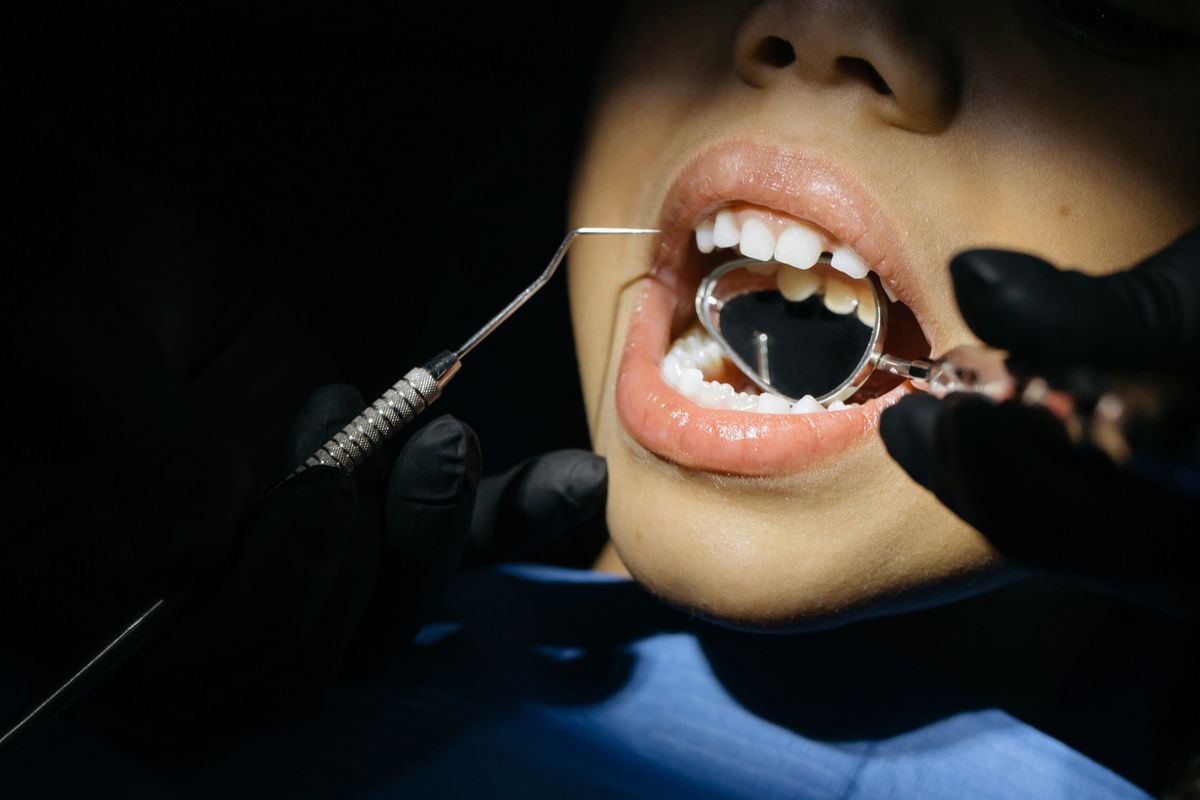
The Spectrum of Options, From Least to Most Invasive
Sedation is not one thing. It is a spectrum, and general anesthesia sits at the far, most involved end. Knowing the whole range helps you ask better questions.
- Local anesthesia alone — A numbing injection at the treatment site. Your child stays fully awake and aware. This is standard for cooperative children and simple work like a filling or two.
- Nitrous oxide (laughing gas) — A nitrous-and-oxygen mix breathed through a small nose mask. It eases anxiety, wears off within minutes, and your child stays awake and responsive. It is one of the safest and most widely used tools in pediatric dentistry, and it is often enough on its own for a mildly anxious child.
- Oral or moderate sedation — A medicine given by mouth, sometimes with nitrous oxide, that makes a child drowsy and relaxed while still breathing on their own and responding to voice. It is useful for younger or more anxious children who need more than laughing gas but do not need to be fully unconscious.
- General anesthesia (GA) — The child is fully unconscious, usually in a hospital or accredited surgical center, with a dedicated anesthesia provider managing breathing and vital signs throughout. It removes any need for cooperation and lets a lot of work happen in one sitting. It also carries the most medical risk and the most cost of anything on this list.
These are rungs on a ladder. The right question is rarely "anesthesia or nothing." It is: what is the least invasive rung that gets this done safely?
Why General Anesthesia Is the Most Over-Used and Most Variable Recommendation
What makes GA different is that how often it gets recommended depends heavily on where you live and which practice you visit — far more than on your child's actual teeth.
Studies of pediatric dental care have found large regional variation in how often general anesthesia is used, with no matching difference in how many cavities children in those regions actually have. In plain terms, two children with nearly identical mouths can get very different recommendations depending on the zip code and the practice. Some clinics are built around GA and use it routinely; others reserve it for the few children who truly need it.
This does not mean your dentist is acting in bad faith. Most dentists are honest and most recommendations are sound. But when a treatment is this variable between equally qualified providers, it is exactly the kind of decision that benefits from a second look. The American Academy of Pediatric Dentistry supports a child's right to the least invasive care that will do the job (AAPD). The same thinking behind our guide to red flags in unnecessary dental work applies here, only with higher stakes.
The Cost Nobody Mentions Up Front
General anesthesia is expensive, and the anesthesia bill is usually separate from the treatment bill. Depending on the setting and the length of the procedure, GA commonly adds roughly $1,500 to $5,000 on top of the dental work itself, and hospital or surgical-center facility fees can push it higher. It is often not fully covered by dental insurance, and medical coverage for dental GA varies widely by plan and by state. You can look up typical costs for anesthesia and dental procedures in your area with a tool like FAIR Health Consumer before you agree to anything. When GA is genuinely needed it is worth every dollar — the point is simply that a cost this large deserves confirmation.
Questions to Ask Before You Agree to General Anesthesia
You do not need to be confrontational. A good dentist will welcome these questions:
- Can this be done with local anesthesia or nitrous oxide instead, and if not, why not for my child specifically?
- Can the work be split into two or three shorter appointments rather than one long session under GA?
- Why is general anesthesia specifically needed here — is it the amount of work, my child's age, anxiety, or a medical reason?
- Who will administer the anesthesia, what are their qualifications, and where will it be done?
A recommendation grounded in your child's specific situation sounds different from a one-size-fits-all policy. If every child in the practice seems to end up with the same plan, that is worth noticing.
When General Anesthesia Is Genuinely the Right and Safest Choice
This part matters just as much: for some children, GA is not overtreatment. It is the kindest and safest option, and steering away from it would be a mistake. GA is often the right call when:
- The child is very young, such as a toddler, and cannot understand or cooperate with treatment
- There is extensive work that would otherwise require many separate, distressing visits
- The child has significant special healthcare needs that make awake treatment unsafe or impossible
- The child has severe dental anxiety or a strong gag reflex and cannot be treated safely awake, even with nitrous or oral sedation
In these cases, completing everything in one controlled session can mean less overall trauma, not more. What matters is that it is done by a qualified anesthesia provider — an anesthesiologist or dentist anesthesiologist — in an accredited hospital or surgical setting with proper monitoring, following the safety guidance from the AAPD and the American Academy of Pediatrics. Sometimes the amount of work being proposed is what drives the GA recommendation, so it helps to verify the work itself, such as stainless steel crowns for baby teeth or a baby root canal (pulpotomy).
How a Records-Based Second Opinion Helps
Here is the useful part for a worried parent: you can get an independent read without another in-person visit, and without your child sitting through a second exam. Reading X-rays and reviewing a written treatment plan do not require the child to be present, so an independent dentist reads the same digital X-rays your dentist used and tells you whether the scope of work — and the anesthesia attached to it — is justified or looks like an over-reach.
A records-based review helps you tell the difference between:
- A justified plan — extensive, documented decay in a young or uncooperative child, where GA genuinely reduces trauma
- A possible over-reach — a plan where much of the proposed work is questionable, or where the same result could be achieved awake, with nitrous, or across a couple of shorter visits
Upload your child's X-rays and treatment plan to toothcheck and a licensed, independent dentist will review it in writing within 72 hours for a flat $59. Reviewers are paid a flat fee, so there is no incentive to talk you into, or out of, anything. For broader context, see our children's dental second opinion guide or the in-depth pediatric dental second opinion guide.
The Emergency Carve-Out
A records-based review is not a substitute for in-person care in a true emergency. If your child has facial swelling, a fever, or trouble breathing or swallowing, that is urgent — seek in-person or emergency care right away rather than waiting on any second opinion. A written review is for planned, non-urgent treatment decisions, which is what the large majority of GA recommendations are.
FAQ
Does my child really need general anesthesia for dental work?
Maybe, but it is worth confirming. General anesthesia is genuinely the right choice for some children, yet it is also the most regionally variable recommendation in pediatric dentistry, so it is sometimes used when a less invasive option would work. Ask whether local anesthesia, nitrous oxide, or shorter appointments could achieve the same result for your child.
What are the alternatives to general anesthesia for pediatric dental treatment?
The main alternatives, from least to most involved, are local anesthesia alone, nitrous oxide (laughing gas), and oral or moderate sedation. Many plans can also be split into shorter appointments so a child can stay awake and comfortable. Which one fits depends on the age of the child, the amount of work, and how well the child can cooperate.
How much does dental general anesthesia add to the cost?
General anesthesia commonly adds roughly $1,500 to $5,000 on top of the dental treatment itself, and the anesthesia and facility fees are usually billed separately. Coverage varies widely between dental and medical insurance plans. You can check typical costs in your area with FAIR Health Consumer before agreeing.
When is general anesthesia the safest choice for my child?
General anesthesia is often the right and safest option for very young children, for extensive work that would otherwise take many distressing visits, for children with significant special healthcare needs, and for severe anxiety or an inability to cooperate safely while awake. In those cases it can mean less overall trauma. It should be provided by a qualified anesthesia provider in an accredited setting.
Can a second opinion be done from X-rays without seeing my child?
Yes. Reading X-rays and reviewing a written treatment plan do not require the child to be present, because the reviewer looks at the same records your dentist used. That makes a records-based review a low-stress way to verify a plan without putting your child through another exam.
Is it safe to delay treatment while I get a second opinion?
For most planned, non-urgent dental work, a short wait for an independent review is reasonable and does not put your child at risk. The exception is a true emergency, such as facial swelling, fever, or trouble breathing or swallowing, which needs in-person care right away. When in doubt, call your dentist or seek urgent care.
Final Advice
Being told your child needs dental work under general anesthesia is frightening, and that fear is completely understandable. But fear is not a reason to say yes in a hurry, and it is not a reason to refuse care your child genuinely needs. The goal is simply to match the level of anesthesia to what the situation actually requires.
Most dentists are honest, and many GA recommendations are appropriate. A second opinion is not an accusation — it is sensible verification for a decision that carries real medical and financial weight and that varies more between providers than almost any other in pediatric dentistry. Upload your child's X-rays and treatment plan to toothcheck for an independent written review within 72 hours for a flat $59, or begin an online dental second opinion now. You will know whether the plan is justified before your child ever goes under.
Last medically reviewed: August 2026