Stainless Steel Crown on a Baby Tooth: Necessary?
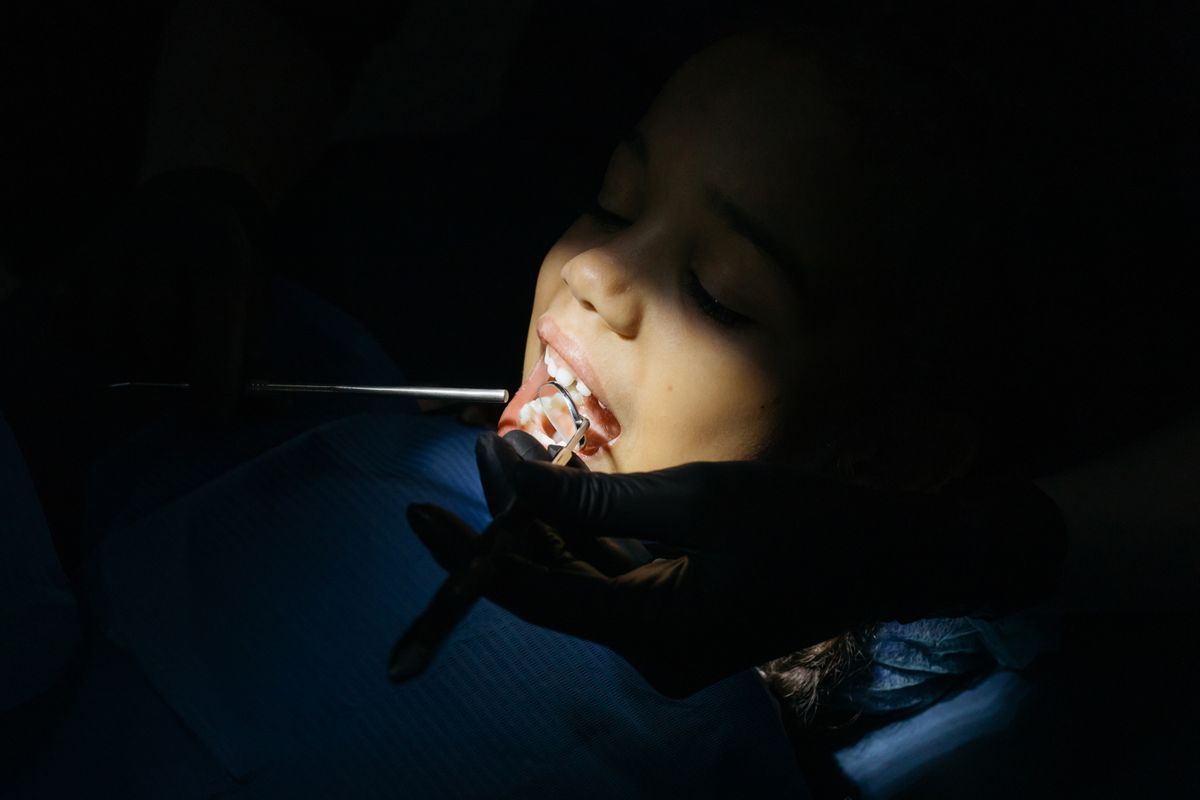
Told your child needs a stainless steel crown or silver cap on a baby molar? A licensed independent dentist reviews the X-rays and treatment plan in writing within 72 hours for a flat $59, so you know whether full coverage is truly needed or a filling would do.
Reviewed by the toothcheck Dental Team Independent dentist providing online second opinions.
Quick Answer
If your child's dentist has recommended a stainless steel crown (sometimes called a silver cap) on a baby molar, it is fair to pause and ask why. For a tooth with large, multi-surface decay, or one that has just had a pulpotomy, a crown really is the treatment most likely to last, and the American Academy of Pediatric Dentistry supports it in those cases. But crowns are also placed on some teeth that a simple filling could have held, and placement rates vary widely from one region and office to the next. A written second opinion looks at your child's own X-rays and treatment plan and tells you, in plain language, whether full coverage is genuinely needed or a more conservative option would do. toothcheck does this for a flat $59, with a licensed independent dentist replying within 72 hours.
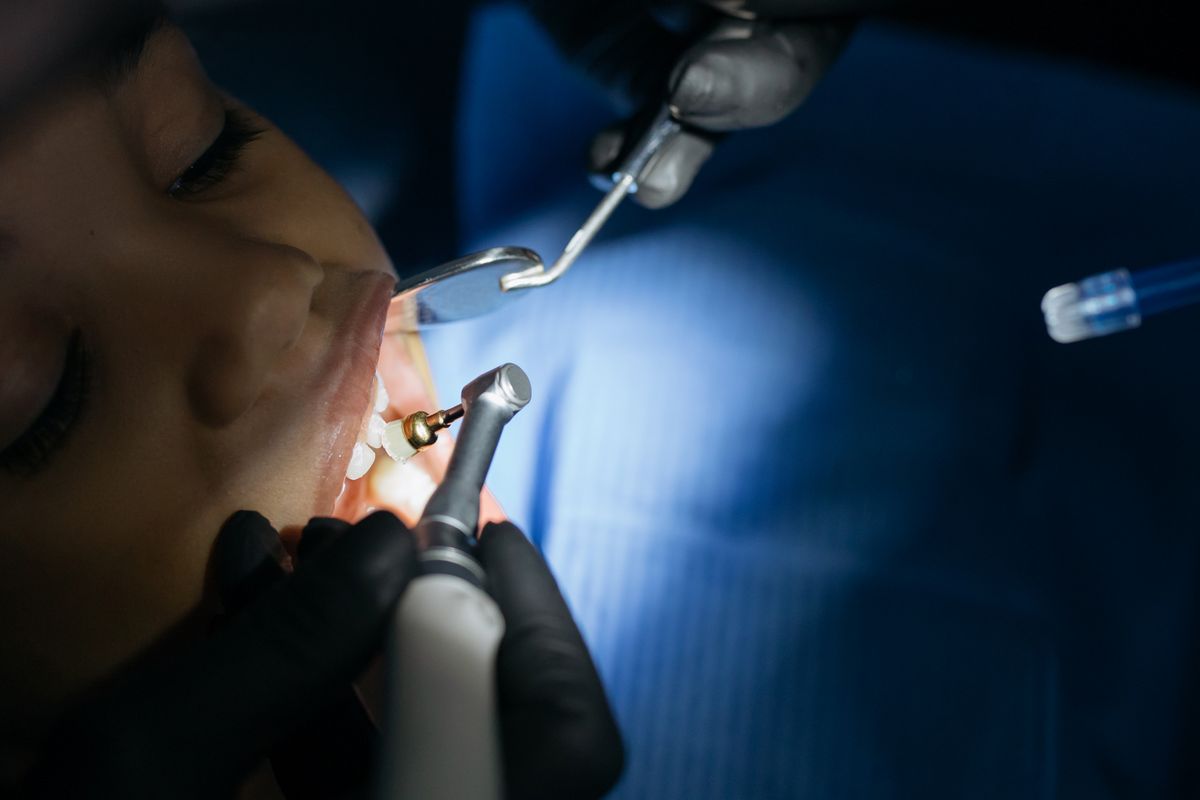
What a stainless steel crown actually is
A stainless steel crown (SSC) is a pre-formed metal cap that fits over a whole baby molar, covering it down to the gumline. Parents often call them silver caps because of the way they look. Unlike a filling, which replaces only the decayed part of the tooth, a crown wraps the entire tooth in metal, which is why it is so durable. That durability is the whole point: on a heavily broken-down baby molar, a crown is far less likely to fail than a large filling that has little healthy tooth left to bond to.
Baby molars matter more than many parents realize. They hold space for the permanent teeth developing underneath, they are needed for chewing, and the back baby molars are not replaced until around age 10 to 12. So a decayed back baby tooth may need to survive several more years of daily use, and that time frame is a big part of the crown-versus-filling decision.
When a crown is genuinely the right call
A crown is not overtreatment when the tooth truly needs it, and a good reviewer will say so plainly. The American Academy of Pediatric Dentistry supports stainless steel crowns as the restoration of choice in several clear situations:
- Large or multi-surface decay — When a cavity involves two or more surfaces of the tooth, or the walls of the tooth are undermined, a filling has little solid structure to hold onto and is more likely to fail. A crown covers and protects what remains.
- After a pulpotomy — When decay reaches the nerve and the tooth has had a pulpotomy (a baby root canal), the tooth becomes more brittle, and a crown is the standard way to protect it. Our guide on a baby root canal second opinion covers that procedure in detail.
- High caries-risk children — For a child with many cavities, or one whose decay is progressing quickly, a crown is more predictable than repeated fillings that may need redoing.
- Teeth a filling cannot reliably hold — Some teeth are simply too broken down for a filling to last until the tooth falls out naturally.
In these cases, choosing a crown up front can actually spare your child a second round of treatment later, which matters a great deal when dental appointments are stressful.
When a filling or a smaller option may be enough
The flip side is just as real. For a single-surface cavity or a modest amount of decay in a cooperative child, a well-placed filling can often carry a baby tooth all the way to the point it falls out on its own. A crown in that situation removes and covers more tooth than the problem requires.
This is where the debate lives. Dental researchers and professional groups have noted wide regional variation in how often stainless steel crowns are placed, with rates differing several-fold between areas that have similar levels of childhood tooth decay. Some of that gap reflects real differences in how sick the teeth are. Some of it reflects habit, training, and how a practice is set up to bill. The honest takeaway is not that crowns are a scam, but that a share of them are placed on teeth a filling would have held.
If your question is really about whether a small cavity needs any drilling at all, our article on whether baby-teeth cavities need filling is a good companion read.
Ask about the Hall technique
One option many parents have never heard of is the Hall technique. It is a way of placing a stainless steel crown without any drilling, numbing, or removal of decay: the dentist seals the crown over the tooth, cutting the cavity off from the bacteria and sugars it needs to progress. For the right tooth in a young or anxious child, it can be a genuinely minimally invasive choice, and it avoids the needle and the drill entirely.
The Hall technique is not right for every tooth, and it is not a way to treat a tooth that already has an infection or nerve involvement. But it is well worth asking whether your child's tooth is a candidate, especially if the alternative on the table is a full crown preparation or treatment under sedation.
Questions to ask before you agree
You do not need to be confrontational to get clear answers. A good pediatric dentist welcomes these questions:
- Would a filling or a composite restoration hold this tooth? Ask directly whether a less invasive option was considered and why it was ruled out.
- Why a crown specifically for this tooth? The answer should point to something concrete on the X-ray or exam, such as multi-surface decay, undermined walls, or a completed pulpotomy.
- How long until this tooth falls out on its own? A front baby tooth near natural loss is a very different situation from a back molar that must last until age 10 to 12.
- Is the Hall technique an option here? If not, it helps to understand why.
- What happens if we wait or choose the smaller option? Understanding the real risk of a conservative choice helps you decide with your eyes open.
What a crown costs
A stainless steel crown on a baby tooth typically runs a few hundred dollars per tooth before insurance, and often more than a filling on the same tooth. Costs vary widely by region and rise if sedation is involved. You can look up typical fees for your area using a tool such as FAIR Health Consumer. The cost gap is one reason it is worth confirming that full coverage is truly needed, especially before several crowns are placed at once.
How a second opinion settles it
The good news is that the crown-versus-filling question is almost always answerable from the X-rays your dentist already took. Deciding whether a tooth has enough healthy structure for a filling, or whether the decay is deep and multi-surface enough to justify a crown, is exactly the kind of judgment a second reviewer can make from the same images, without your child sitting in another chair.
That is what an online dental second opinion is built for. You upload the X-rays and the written treatment plan, and a licensed independent dentist, paid a flat fee with no stake in what you decide, reviews it and explains in plain English whether the crown is justified or a filling would likely do. You can also start with our treatment plan review service or, for a broader overview, our children's dental second opinion hub and our in-depth pediatric second opinion guide. If crowns in general are your worry, our adult-focused crown second opinion piece walks through the same logic.
One important note: a records-based review is not a substitute for in-person care in an emergency. If your child has facial swelling, a fever, or trouble breathing or swallowing, seek urgent dental or medical care right away.
FAQ
What is a stainless steel crown on a baby tooth?
A stainless steel crown, often called a silver cap, is a pre-formed metal cap that covers a whole baby molar down to the gumline. It protects a tooth that is too broken down for a filling to hold reliably. Because it covers the entire tooth, it is very durable and is designed to last until the baby tooth falls out naturally.
When does my child really need a stainless steel crown?
A crown is the treatment of choice when a baby molar has large or multi-surface decay, has had a pulpotomy (a baby root canal), or belongs to a child at high risk of more cavities. In those cases a filling is more likely to fail. The American Academy of Pediatric Dentistry supports crowns in these situations.
Could a filling be used instead of a crown on a baby molar?
Often yes, when the cavity is small or on a single surface and the child can cooperate with treatment. A well-placed filling can carry many baby teeth until they fall out on their own. The key is whether enough healthy tooth remains for a filling to hold, which is exactly what a second opinion on the X-rays can confirm.
What is the Hall technique?
The Hall technique is a way of sealing a stainless steel crown over a decayed baby tooth without drilling, numbing, or removing decay. By cutting the cavity off from bacteria and sugar, it stops the decay from progressing. It can be a minimally invasive option for the right tooth, so it is worth asking whether your child is a candidate.
How much does a stainless steel crown cost?
A stainless steel crown on a baby tooth usually costs a few hundred dollars per tooth before insurance, often more than a filling on the same tooth. Prices vary widely by region and rise if sedation is involved. You can check typical fees for your area with a cost-lookup tool such as FAIR Health Consumer.
Does it matter if the baby tooth is going to fall out soon anyway?
Yes, timing is a big part of the decision. A front tooth close to natural loss may not need a crown, while a back molar that must last until age 10 to 12 is a stronger candidate. Asking how long the tooth has left helps you weigh a crown against a more conservative option.
Final Advice
Most stainless steel crown recommendations are made in good faith, and for a badly decayed baby molar a crown really is often the most reliable choice. But because placement rates vary so much, and because a crown covers more tooth than a small cavity requires, it is completely reasonable to confirm the plan before you agree, especially if several crowns are proposed at once or sedation is involved. Ask whether a filling would hold, ask why a crown specifically, and ask about the Hall technique. If you want an unbiased read, a written second opinion on your child's existing X-rays can settle the question quickly and calmly for a flat $59, usually within 72 hours, so you can say yes to the care your child needs and skip what they do not.
Last medically reviewed: August 2026