Corporate Dental Chains vs Independent Dentists: What Every Patient Should Know
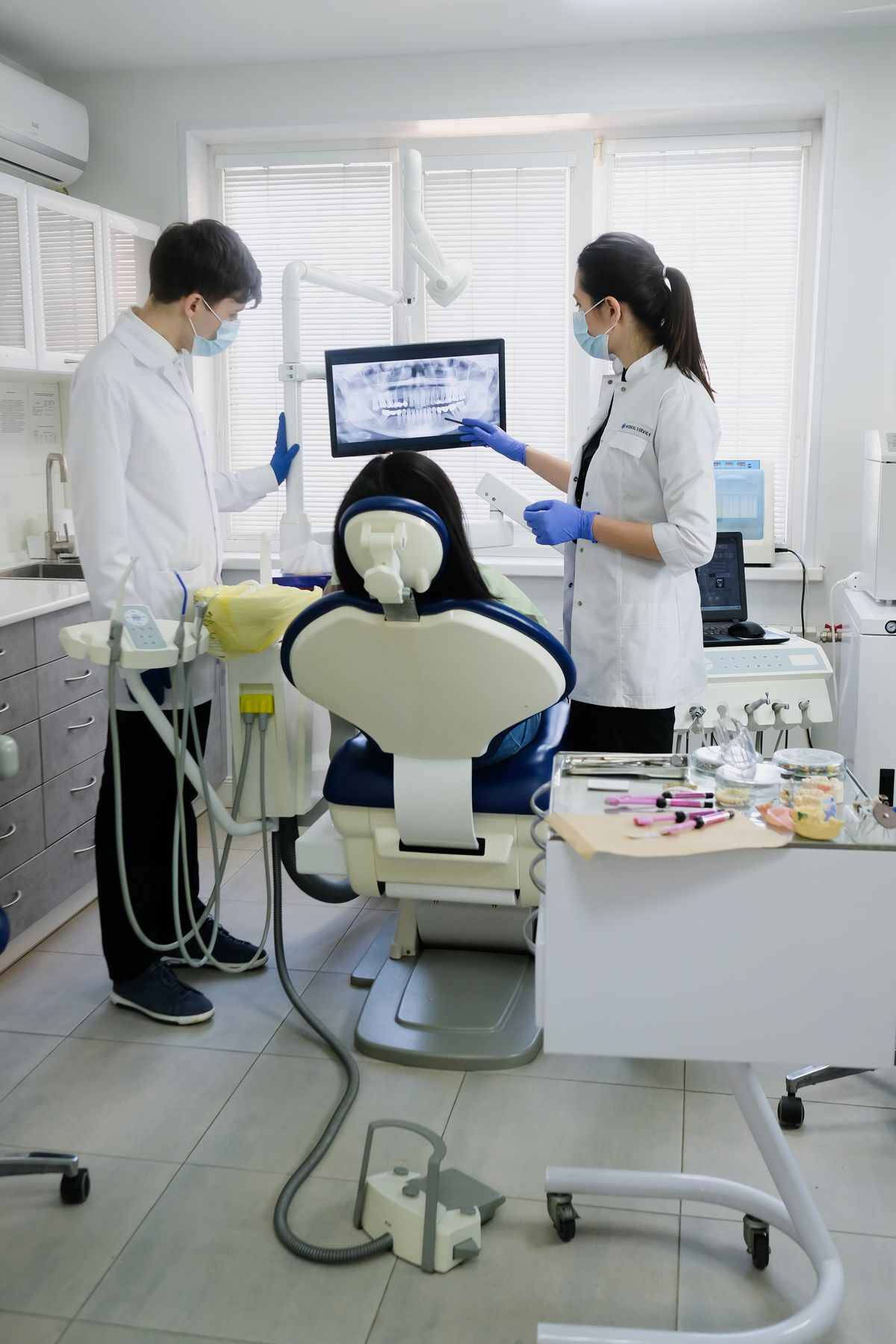
Corporate dental chains vs independent dentists: how each is run, where production targets can tilt toward overtreatment, and how to protect yourself.
Reviewed by the toothcheck Dental Team Independent dentist providing online second opinions.
Over the past two decades, a growing share of American dental offices has been bought, merged or managed by larger companies. You may not have noticed. The office you have visited for years may have kept its friendly local name, while the ownership behind it changed. Other patients choose a large, branded chain on purpose because it is open on Saturdays, takes their insurance and can fit them in this week.
This article is a fair look at both models. Corporate dentistry is not a villain and independent dentistry is not a halo. But the business structure does shape incentives, and incentives can shape the treatment plan you are handed. Understanding how the two models work helps you ask better questions, wherever you sit in the chair.
Quick Answer
When comparing corporate dental chains vs independent dentists, neither model is automatically better or safer. Chains offer convenience, longer hours, newer technology and financing, but they can run on production targets that nudge clinicians toward larger treatment plans. Independent practices offer more personal continuity and clinical freedom, but quality varies widely and some also overtreat. What matters most is the individual dentist's default: conservative and evidence-based, or drill-first. If a plan is large, expensive or irreversible, get it independently checked, whichever door you walked through.
How Corporate Dental Chains Are Structured
Most large chains are built around a Dental Service Organization, usually shortened to DSO. A DSO is a company that takes over the non-clinical work of running dental offices: billing, insurance contracting, marketing, purchasing supplies, hiring front-desk staff, leasing buildings and negotiating equipment prices. In theory this frees the dentist to concentrate on patients.
The details differ a lot. In some arrangements, dentists own a share of the practice and the DSO is a service provider. In others, investors or a parent company own the offices and the dentists are salaried or paid on a percentage of what they produce. Many states restrict non-dentists from owning a dental practice or directing clinical decisions, and companies structure themselves around those rules in different ways. So "corporate" covers a wide range, from a small regional group of ten offices to a national network of hundreds.
Large groups are often backed by private equity or other investors who expect growth. Growth in dental offices comes from adding locations, adding patients, and raising revenue per patient. That is a normal business goal, but it is worth knowing it exists.
Production Targets and How They Can Tilt Toward Overtreatment
Many dental offices, corporate or not, track "production," meaning the dollar value of treatment performed or scheduled. In a chain, production per dentist per day may be reviewed against a target, and compensation can be linked to it through a percentage of collections, bonuses or tiers.
On its own, a target is not sinister. A dentist who sees too few patients cannot keep an office open. The concern is subtler. When income rises with the volume and size of treatment, every judgment call carries a tiny tug in one direction:
- A small, early cavity that could be monitored and remineralized may get a filling instead.
- A tooth with a modest crack may be recommended for a crown rather than watched.
- A discolored but sound tooth may be offered a veneer.
- A healthy mouth may be pitched a full set of "recommended" procedures at a single visit.
No individual choice in that list is automatically wrong, and many are reasonable. The point is that the pull toward more is a structural feature, so the patient's best protection is to understand the reasoning behind each recommendation. Our guide on unnecessary dental work red flags lists the specific warning signs, and how dental insurance shapes your treatment plan explains another quiet influence on what gets proposed.
Independent offices are not immune. A solo dentist with a large mortgage, expensive equipment and a payroll to meet faces the same pull, and an owner who also sets their own sales targets can be just as aggressive. The difference is that an owner-dentist can choose to practice differently, while an employee of a large group may have less room to push back.
The Genuine Upsides of Chains
It would be unfair to stop at the risks. Corporate dentistry has real strengths, and plenty of patients are well served by it.
- Access and hours. Evening and weekend appointments, same-week availability and many locations make dental care possible for people who cannot take time off work.
- Technology. Scale lets groups invest in digital X-rays, intraoral scanners, 3D imaging and CAD/CAM equipment that a small practice may struggle to afford.
- Financing and insurance. Chains often accept a wide range of insurance plans and offer payment plans, which can be the difference between getting care and skipping it.
- Continuity across locations. If you move or travel, your records and care may follow you inside the same network.
- Support for clinicians. New graduates with heavy student debt sometimes find chains a stable place to learn, with mentorship and no overhead to carry.
- Price transparency in some cases. Some groups publish flat fees or membership plans for people without insurance.
Many clinicians who work in chains are thoughtful, conservative and put their patients first. The structure creates pressure, but a dentist's own ethics and training still decide how they respond.
Where Independent Practices Shine, and Where They Do Not
Independent practices, meaning owned and run by the treating dentist or a small partnership, tend to offer continuity: the same person, the same team and a long relationship. Owners can set their own philosophy, take extra time for a nervous patient, and decline a procedure they do not believe in. For people who value that relationship, it matters.
But independent does not mean ethical, and it does not mean conservative. Some independent dentists are drill-first by habit or training. Some run on thin margins and feel the same pressure to produce. Some lack up-to-date equipment or continuing education. The word "independent" tells you who owns the building, not how the dentist thinks.
Chain vs Independent at a Glance
| Factor | Typical corporate chain | Typical independent practice |
|---|---|---|
| Ownership | DSO, investors or parent company | Treating dentist or small partnership |
| Hours and access | Often extended, many locations | Varies, usually weekday hours |
| Technology | Often newer, shared across offices | Varies with the owner's budget |
| Financing and insurance | Usually broad, payment plans common | Varies, often fewer options |
| Pay structure | May tie dentist pay to production | Owner sets own income and approach |
| Continuity | Dentists may rotate or leave | Often one dentist for years |
| Main risk | Production pressure toward larger plans | Quality and philosophy vary widely |
| Main strength | Convenience and scale | Personal relationship and clinical freedom |
Use the table as a rough guide, not a verdict. Every row has plenty of exceptions in both directions.
How to Tell Which One You Are Dealing With
Because acquired offices often keep their old names, the sign on the door may not tell you who is behind it. A few quick checks can:
1. Read the website footer and privacy policy. A parent company or management group is usually named there. 2. Search the practice in your state's business registry or dental board listing. See our guide on how to check if a dentist is legit for where to look. 3. Ask the front desk. "Is this practice independently owned, or part of a larger group?" is a perfectly normal question. 4. Notice the process. Do you get a treatment coordinator who presents pricing and pushes same-day scheduling? Is there a "financing specialist" at the end of every consult? That is common in many chains, though some independent offices run this way too. 5. Look at turnover. If you see a different dentist every visit, ask whether that is typical.
None of these tells you whether the care is good. They only tell you the context, which helps you read the recommendations that follow.
What to Watch For, Either Way
The same habits protect you in a chain or a solo practice:
- Ask to see your X-rays and the problem. A good dentist will show you the image or intraoral photo and explain what they see.
- Ask "what happens if I wait?" For many conditions, the honest answer is "not much for a while, but we should monitor it."
- Ask for the smallest effective option and what the alternatives are, including doing nothing for now.
- Get an itemized quote. Our guide to getting an itemized dental quote shows exactly what to request, and is my dentist overcharging me helps you sanity-check numbers.
- Be wary of urgency. Pressure to commit today, big "limited time" discounts and plans that arrive all at once deserve a pause.
- Do not decide in the chair. Take the plan home. A legitimate recommendation will still be legitimate tomorrow.
- Use reputable sources. The American Dental Association and the National Institute of Dental and Craniofacial Research publish patient-facing information on common treatments.
Online reviews can help a little, but they have limits. Read are online dentist reviews trustworthy before you rely on star ratings.
It Is the Dentist's Default, Not the Sign on the Door
Here is the main point. A conservative dentist in a chain will often serve you better than a drill-first dentist in a family practice, and the reverse is equally true. What predicts your experience is the clinician's default: whether they start from "how little do we need to do to protect this tooth" or from "what can we fix today."
A conservative, minimally invasive dentist monitors early lesions, uses preventive and remineralizing approaches where the evidence supports them, saves natural tooth structure, and explains the trade-offs of every option, including waiting. To learn more, read what is a conservative dentist and what is minimally invasive dentistry. If your relationship has gone sour, signs it's time to change your dentist and how to switch dentists walk through the practical steps.
Two Ways to Get Clarity With toothcheck
If you want to find an independent-minded, conservative dentist, or simply check a plan that a chain or any other office has given you, there are two paths.
Path 1: Request a free second opinion from a network dentist. If we have a network dentist near you, you can request a free second opinion from a vetted, conservative dentist in our network. You request it through toothcheck and we follow up within 72 hours. The network is live in a few select US metros and is still growing, so we will tell you honestly if we do not have a match near you yet. Network dentists have committed in writing to the least-invasive option that will do the job. You can read about how we vet dentists for our network and how to find a dentist who won't overtreat you.
Path 2: Get an online second opinion from anywhere. If you would rather have a fast, independent review from anywhere, our online second opinion gives you a licensed dentist's written report on your X-rays and treatment plan for a flat 59 dollars. The reviewer has no stake in performing the work, so you get a plain-English view of what is urgent, what is optional and what could be done more conservatively. Our dental second opinion guide explains what to expect, and the manifesto and team page explain why we built it this way.
These two paths work together. If a chain handed you a large plan, the online report can tell you whether it holds up. If you are looking for a long-term dentist, the network request can point you toward someone with a conservative default. For more on choosing well, see how to find a dentist you can trust.
FAQ
Are corporate dental chains worse than independent dentists? No, not as a rule. Chains and independent practices both employ excellent, ethical clinicians, and both can have problems. The structure of a chain can create pressure toward higher production, but what matters most for you is the individual dentist's default approach: conservative and watchful, or drill-first.
What is a Dental Service Organization (DSO)? A Dental Service Organization is a company that handles the business side of many dental offices, such as billing, marketing, purchasing, staffing and real estate, so that dentists can focus on clinical work. Some DSOs own the practices outright, while others support practices that keep some local ownership. Rules about ownership and clinical control vary by state.
How can I tell if my dentist is part of a corporate group? Check the office website footer and privacy policy for a parent company name, look up the practice on your state dental board or business registry, and ask the front desk directly who owns the practice. Many offices keep their local name after being acquired, so the sign on the door is not always a reliable clue.
Do production targets mean my dentist will overtreat me? Not automatically. Targets are common in many businesses, and many clinicians in chains treat conservatively regardless. But when pay or bonuses depend on billed production, the incentives can quietly favor larger treatment plans. That is why asking questions and getting an independent review of big plans is sensible anywhere.
How do I check a treatment plan from a chain? Ask for an itemized plan with your X-rays, ask what happens if you wait or choose a smaller option, and get an independent review before agreeing to major work. A second opinion from a licensed dentist who is not paid to perform the treatment takes the sales pressure out of the decision.
Can I get a free second opinion from the toothcheck network, or should I pay 59 dollars? If we have a network dentist near you, you can request a free second opinion from a vetted, conservative dentist in our network. You request it through toothcheck and we follow up within 72 hours. The network is live in only a few select US metros and is still growing, so we will tell you honestly if there is no match near you yet. If you want a fast, independent review from anywhere, the online second opinion is a licensed dentist's written report on your X-rays and treatment plan for a flat 59 dollars.
Final Thoughts
The corporate-versus-independent debate makes a good headline, but it is the wrong question for a patient. Chains bring convenience, technology and access. Independent offices bring continuity and clinical freedom. Both can slip into overtreatment, and both can deliver thoughtful, conservative care. What you can control is how you engage: ask for the evidence, ask about alternatives, take big plans home and get them independently reviewed.
If you want a conservative dentist on your side, request a free second opinion from a vetted dentist in our network if we have one near you, or get a written review of your plan from anywhere with our online second opinion.
Last medically reviewed: October 2026