Tooth 6: Your Upper Right Canine (Eye Tooth)
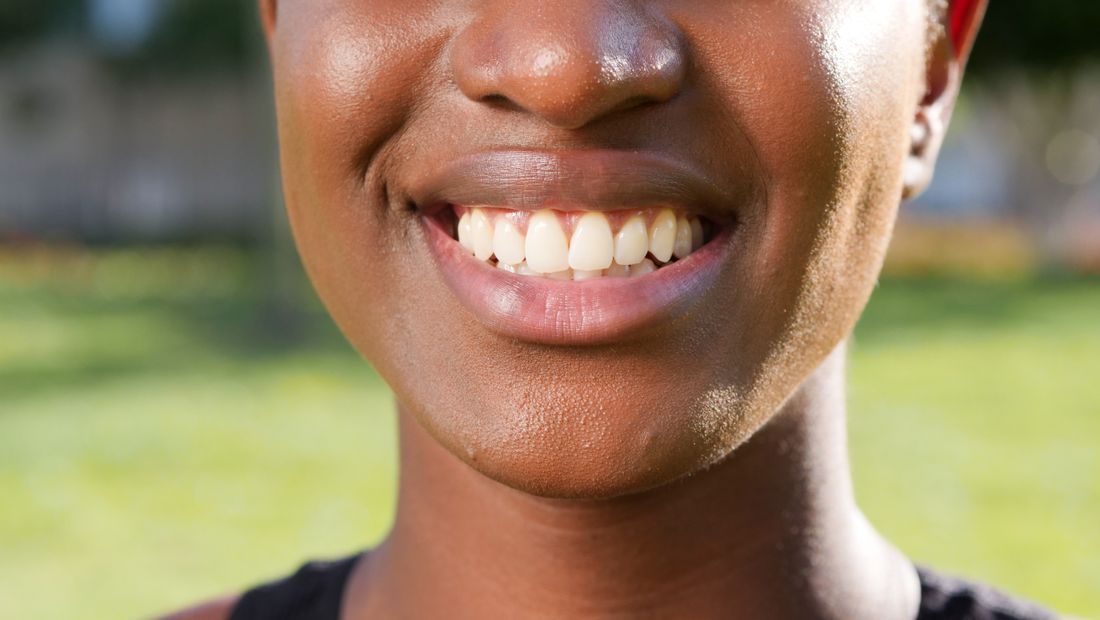
Tooth 6 is your upper right canine, the pointed "eye tooth" with the longest root in your mouth. Learn where it sits, what it does, and common problems.
Reviewed by the toothcheck Dental Team Independent dentist providing online second opinions.
If your dentist, an X-ray report, or a treatment plan mentions "tooth 6", they mean one specific tooth: your upper right canine. It is the pointed tooth at the corner of your upper arch, between the lateral incisor and the first premolar, and it is often called the eye tooth.
This guide explains where tooth 6 sits, how it is numbered in different systems, what it does, and which problems tend to affect it. If you are looking at a quote that involves this tooth, it will help you ask better questions.
Quick Answer
Tooth 6 is the upper right canine (cuspid), numbered 6 in the US Universal system, 13 in FDI notation, and upper right 3 in Palmer notation. It is the pointed tooth at the corner of your upper arch and has the longest root of any tooth. Its job is to tear food and to guide your bite as your jaw moves side to side. Canines resist decay well, so problems are more often gum recession, wear, chips, trauma, or an impacted tooth.
Where Tooth 6 Sits
Dental charts are written from the dentist's point of view, facing you. In the US Universal system, numbering starts at your upper right third molar (tooth 1) and runs along the upper teeth to your upper left third molar (tooth 16). Then it drops to the lower left third molar (tooth 17) and runs to the lower right third molar (tooth 32).
Counting from the back of your upper right side, tooth 6 is the sixth tooth. In the mouth it sits one tooth away from the midline of your smile on the incisor side: the central incisor is tooth 8, the lateral incisor is tooth 7, and the canine is tooth 6. Behind it is tooth 5, the first premolar.
If you want a refresher on the whole system, see our guide to dental tooth numbering explained. To find the tooth on your own image, see how to identify tooth numbers on an X-ray.
Tooth 6 in Different Numbering Systems
Different countries and software use different systems, which is why the same tooth can appear under several names.
| System | Name for this tooth |
|---|---|
| US Universal | 6 |
| FDI (international) | 13 |
| Palmer | Upper right 3 |
| Plain English | Upper right canine, cuspid, eye tooth |
Its mirror on the left side is tooth 11 in the US system. We cover that tooth in tooth 11, the upper left canine.
What a Canine Does
Canines are built differently from the teeth beside them. Incisors cut, premolars and molars grind, and canines grip and tear. Their single pointed cusp is shaped for piercing and holding food.
The longest root of any tooth. The upper canine root is typically longer than the root of any other tooth, and it sits deep in the jawbone. That deep anchoring makes the tooth very stable and a good support for the bite.
Canine guidance. When you slide your jaw to the side, a healthy canine can take the load and guide the other teeth out of contact. This protects the back teeth from sideways forces. Dentists pay attention to canine guidance when they plan crowns, bridges, and orthodontics, because changing the shape of this tooth changes how the whole bite moves.
A cornerstone of the arch and smile. The canines mark the corners of the dental arch and give the face support and shape. Their position also influences how full the upper lip looks.
Common Problems With Tooth 6
Canines are generally tough, but they are not immune. Here are the problems we see most often.
Gum recession. Because the canine sits prominently at the corner of the arch with thin bone over its root, the gum can recede there, exposing the root. This causes sensitivity and a longer-looking tooth. Hard brushing and orthodontic movement can contribute.
Wear and grinding. Canines take the brunt of side-to-side grinding. Over time the tip can flatten, and in people who clench or grind it can wear noticeably.
Chips and fractures. The pointed tip can chip from biting hard objects or from trauma. Small chips are often smoothed or bonded. A deep crack is a different matter, and our guide to what a cracked tooth looks like on an X-ray explains what dentists look for.
Decay. Canines have a smooth, simple shape, so they get fewer cavities than molars. When decay does appear, it is most often near the gum line, where plaque collects.
Impaction. The upper canines erupt late, usually around age 11 to 13, and have a long path. They are among the most commonly impacted teeth after the wisdom teeth. An impacted canine is typically found on an X-ray, and treatment usually involves an orthodontist and sometimes an oral surgeon.
Root canal and infection. Trauma or deep decay can damage the nerve. A canine needing a root canal is uncommon but possible, and the long root makes the procedure more involved.
Crowns and Veneers on a Canine
Because canines are strong and guide the bite, cosmetic or restorative work on tooth 6 deserves a clear reason. Reasonable reasons include a large fracture, a failed old filling, heavy wear, or a root canal that needs protection. A purely cosmetic change, such as reshaping or covering a healthy canine, is elective.
If you are being offered a crown or veneer, our comparison of crown vs veneer explains how the two differ. Whichever option you consider, ask what exactly is wrong with the tooth, whether a smaller treatment would do, and what happens to the bite afterward.
The American Dental Association (https://www.ada.org/) publishes patient guidance on restorative and cosmetic dentistry that is a reasonable place to start your reading.
When to See a Dentist About Tooth 6
Book an appointment if you notice any of these:
- Pain or lingering sensitivity to hot or cold at the upper right corner of your mouth
- A visible chip, crack, or a tooth that feels rough
- Gum that looks pulled back, or a tooth that looks longer than its partner
- Swelling or a pimple-like bump on the gum above the tooth
- A baby canine that has not fallen out by about age 13, or an adult canine that has not appeared
Swelling and severe pain should be seen promptly.
FAQ
What is tooth 6 on a dental chart? It is the upper right canine in the US Universal system, which is tooth 13 in FDI and upper right 3 in Palmer.
Is tooth 6 a canine? Yes. Its mirror on the left is tooth 11.
Why is it called the eye tooth? The upper canine sits roughly under the eye, and its long root reaches up toward that area. It is just a nickname.
Does a canine need a crown or veneer? Only when there is a real clinical or cosmetic reason. Healthy canines often need no restoration.
Can an upper canine be impacted? Yes. It is one of the more commonly impacted teeth and is usually found on an X-ray in the teenage years.
Final Thoughts
Tooth 6 is a small tooth with a big job. The upper right canine anchors your arch, guides your bite, and supports your smile, and its very long root makes it one of the most stable teeth you have. Most of the time it needs nothing more than good cleaning and a check at your regular visits.
If a plan on your table involves a crown, veneer, root canal, or extraction on tooth 6 and you are not sure it is the right call, a second opinion is a calm way to check. Our online dental second opinion is reviewed by a licensed dentist, costs 59 dollars, and comes back in about 72 hours. You can also have your images checked through our dental X-ray review.
Last medically reviewed: November 2026