Tooth 31: Your Lower Right Second Molar
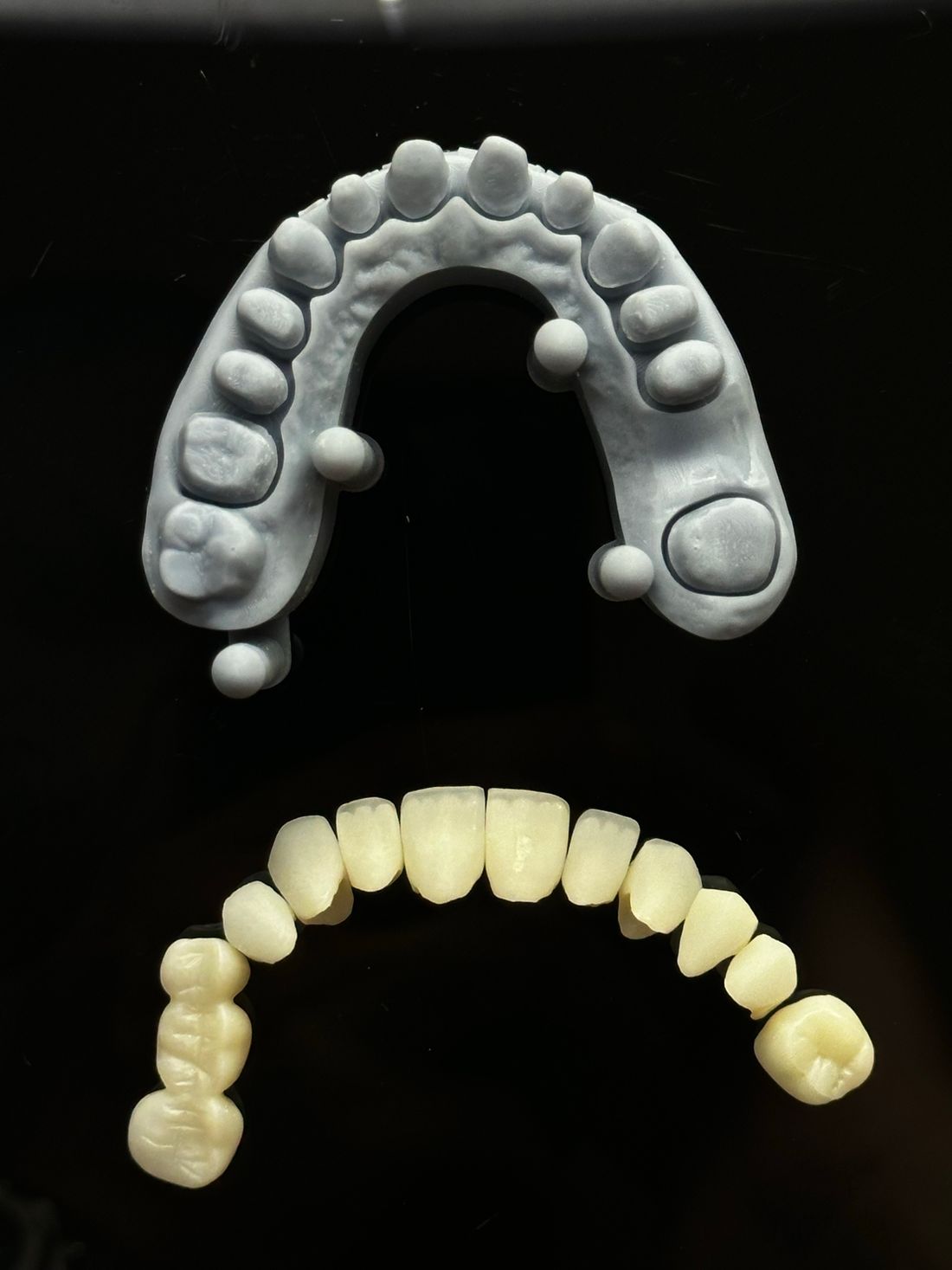
Tooth 31 is your lower right second molar (FDI 47). Learn where it sits, what it does, common problems like decay and cracks, and when to get a second opinion.
Reviewed by the toothcheck Dental Team Independent dentist providing online second opinions.
If your dentist or an X-ray report mentions "tooth 31" or "#31," they are talking about one specific tooth: the second molar on the lower right side of your mouth. It is a large back tooth that does a lot of the work every time you chew, which is also why it so often ends up with fillings, crowns or root canal treatment.
This guide explains exactly where tooth 31 is, how the different numbering systems label it, what it does, and the problems it is most prone to. If a treatment plan involves this tooth, you will know what the terms mean and what questions are worth asking.
Quick Answer
Tooth 31 is the lower right second molar. In the US Universal system it is number 31, in FDI notation it is 47, and in Palmer notation it is lower right 7. It sits behind the first molar (tooth 30) and in front of the wisdom tooth (tooth 32). Because of its deep grooves and heavy chewing load, it is one of the teeth most commonly filled, crowned or root canal treated.
Where Tooth 31 Is in Your Mouth
Picture your lower jaw as a horseshoe. The US Universal Numbering System counts the permanent teeth from the upper right wisdom tooth (tooth 1) across the top to the upper left wisdom tooth (tooth 16), drops down to the lower left wisdom tooth (tooth 17), and then runs along the bottom to the lower right wisdom tooth (tooth 32).
That puts tooth 31 second from the end on the lower right. Moving from the middle of your chin toward the back on that side, the order is: central incisor (25), lateral incisor (26), canine (27), first premolar (28), second premolar (29), first molar (30), second molar (31), and wisdom tooth (32).
If you want the full system explained, see dental tooth numbering explained.
Tooth 31 in Every Numbering System
Different countries and different software use different labels for the same tooth. This is a common source of confusion when you read a report from a dentist abroad or compare two treatment plans.
| System | Label for this tooth | Notes |
|---|---|---|
| US Universal | 31 | Used by most US dentists and insurers |
| FDI (ISO 3950) | 47 | Quadrant 4 (lower right), tooth 7 |
| Palmer | Lower right 7 | Written with a bracket symbol in clinical notes |
| Common name | Lower right second molar | Also called the "12-year molar" |
The "12-year molar" nickname refers to the typical age when the second molars come in, usually between about 11 and 13 years old, although there is wide normal variation.
What a Molar Like Tooth 31 Does
Molars are built for grinding. Tooth 31 has a broad chewing surface with four or five cusps (the raised bumps) separated by grooves. Food is pushed into those grooves and ground down before you swallow.
The lower second molar typically has two roots, one toward the front and one toward the back, and the root canals inside them can be narrow and curved. Together with the first molar (tooth 30), it takes a large share of the biting force on the lower right. If you chew mostly on your right side, tooth 31 works even harder.
It also helps hold your bite together. The teeth above and below fit against each other, and losing a lower second molar can let the opposing upper tooth drift downward over time, or let neighboring teeth tilt toward the gap. That is one reason dentists try to save these teeth when it is reasonable to do so.
Common Problems With Tooth 31
Decay. The deep grooves on the chewing surface, and the area between tooth 30 and tooth 31, are classic places for cavities to start. Because this tooth is far back, it is harder to brush and floss, and early decay is easy to miss without an X-ray. A bitewing X-ray is usually the best way to spot it between teeth. To see what that looks like, read what a cavity looks like on an X-ray.
Large fillings and cracks. Many people have had a filling in tooth 31 since their teens. Over the years, a large filling can leave the remaining tooth structure thin, and chewing forces can crack a cusp. A cracked cusp may cause sharp pain when you bite and release, or sensitivity to cold.
Crowns. When a molar has lost a lot of structure to decay or a large filling, a crown is a common way to protect it. Crowns on back molars are some of the most routine procedures in dentistry, and also some of the most commonly recommended. That does not make them unnecessary, but it does mean it is fair to ask whether a well-made filling would still do the job.
Root canal treatment. If decay or a crack reaches the pulp, the nerve tissue inside the tooth can become infected or irreversibly inflamed, causing lingering pain, swelling, or an abscess visible on X-ray. A root canal removes that tissue and seals the canals, usually followed by a crown. Not every toothache means a root canal is needed. See do I really need a root canal for real examples.
Gum disease and bone loss. The area around the back molars can collect plaque below the gumline. Deep pockets or bone loss around tooth 31 are usually monitored on periodic X-rays and measured with a gum probe.
Problems from the wisdom tooth behind it. Tooth 31 sits directly in front of the lower right wisdom tooth. If that wisdom tooth is tilted or partly erupted, it can trap food against the back of tooth 31 and cause decay or gum infection there. You can read about that neighbor in tooth 32, the lower right wisdom tooth.
Nerve Proximity and Why It Matters
The roots of the lower molars sit relatively close to the inferior alveolar nerve, which runs through the lower jaw and supplies feeling to the lower teeth, lip and chin. In most people there is a safe margin, but on some X-rays the roots of tooth 31 appear close to the nerve canal.
This matters mainly for extractions, implants, or surgery involving the area, where a dentist may want a more detailed 3D scan to measure the distance. Routine fillings and crowns are not affected by this.
Signs Tooth 31 May Need Attention
See a dentist if you notice any of the following in the lower right back area:
- Sharp pain when biting down, especially when you release.
- Lingering sensitivity to hot or cold that lasts more than a minute or so.
- A dull, throbbing ache that is hard to pinpoint or that wakes you at night.
- Food that always packs between tooth 30 and tooth 31, or between tooth 31 and the wisdom tooth.
- Swelling, a pimple-like bump on the gum, or a bad taste.
- A dark spot or a visible hole in the chewing surface.
Swelling in the face or jaw, fever, or trouble swallowing or breathing needs urgent care the same day.
Being Sure About a Recommendation for Tooth 31
The lower right second molar is a tooth where treatment recommendations vary widely. One dentist might suggest monitoring a small shadow, while another recommends a crown, and a third a root canal and crown. Sometimes all three are defensible; sometimes one is clearly more conservative than the others.
Questions worth asking about any plan for this tooth:
- Which X-ray shows the problem, and can I see it?
- Is this decay, a crack, or an old filling that is simply worn?
- What happens if we monitor it for six months?
- Is a filling an option instead of a crown?
- If you recommend a root canal, what symptoms or X-ray findings support it?
The American Dental Association (https://www.ada.org/) publishes general patient information on common procedures, and it is a reasonable place to read background before an appointment.
When to Get a Second Opinion
A second opinion is most useful when the plan is expensive, irreversible, or does not match your symptoms. For tooth 31, that usually means a crown on a tooth that does not hurt, a root canal recommended without clear symptoms, or an extraction of a tooth that looks restorable. A dentist reviewing your actual X-rays can tell you whether the findings support the plan.
You can read about the neighboring tooth in tooth 30, the lower right first molar, since problems often involve both molars together. If you have X-rays and a written treatment plan, a dental X-ray review is a quick way to have someone check them.
FAQ
What is tooth 31? It is the lower right second molar in the US Universal Numbering System, FDI 47 and Palmer lower right 7.
Is tooth 31 a molar? Yes, it is the second molar on the lower right, in front of the wisdom tooth.
Why does it need so many repairs? Deep grooves, a hard-to-reach position and heavy chewing forces make lower second molars prone to decay, cracks and large restorations.
Can it have a root canal? Yes, usually with two roots and three or four canals, but only when the pulp is infected or irreversibly inflamed.
Does an impacted wisdom tooth mean losing tooth 31? Not usually. The wisdom tooth is typically the one addressed, and tooth 31 can often be kept.
Final Thoughts
Tooth 31 does heavy work and gets a lot of dental attention as a result. Most of what happens to it, including fillings, crowns and root canals, is routine and often necessary, but it is also an area where recommendations differ from dentist to dentist.
If you have been told this tooth needs a crown, a root canal or removal and you want an independent view, toothcheck offers an online dental second opinion. A licensed dentist reviews your X-rays and treatment plan and sends you a plain-English written report, typically within about 72 hours, for 59 dollars.
Last medically reviewed: November 2026