What Is a Core Buildup — and Do You Really Need One?
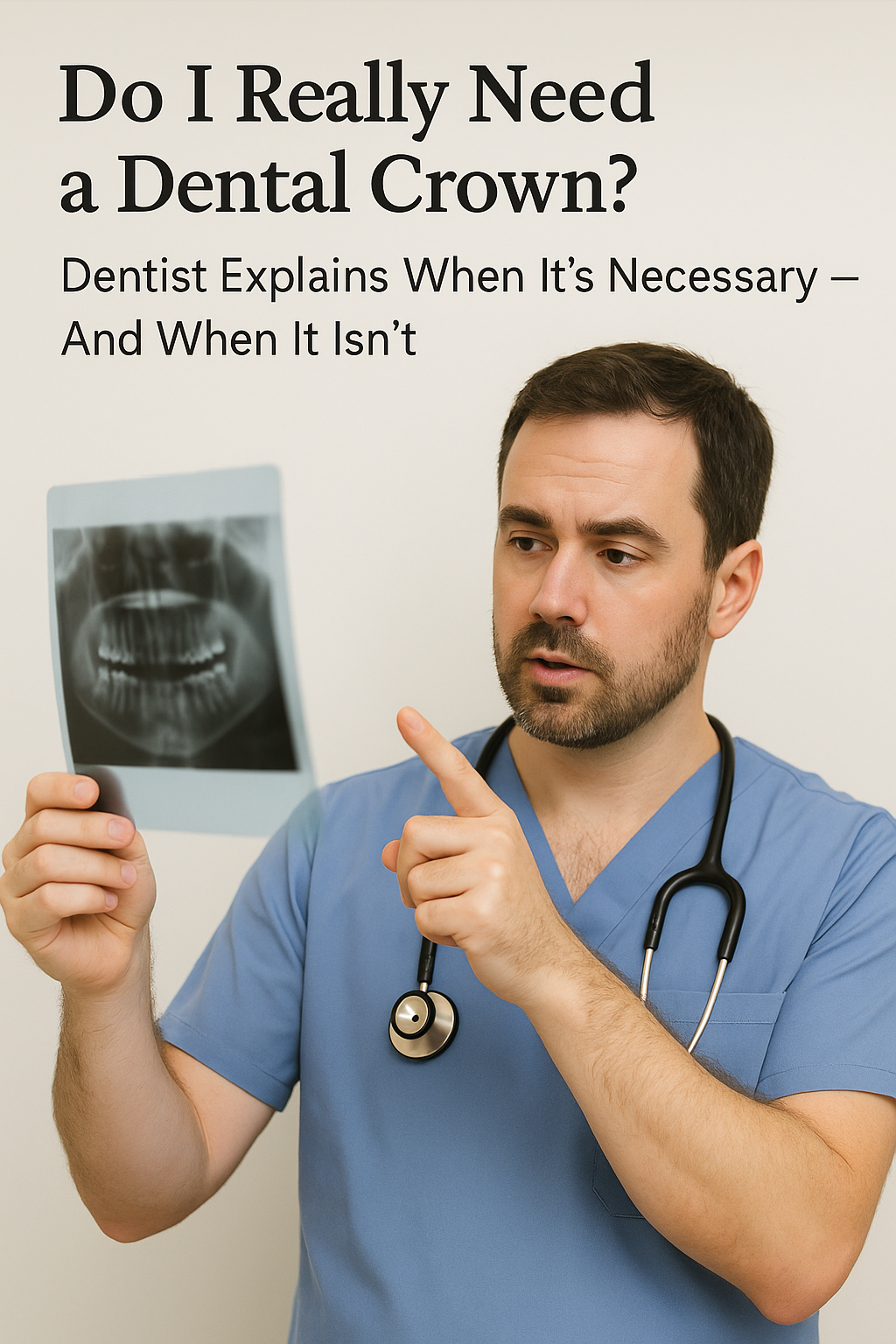
A core buildup often appears next to a crown on your treatment plan. A dentist explains what it is, when it is genuinely needed, and when it may be padding the bill.
Reviewed by the toothcheck Dental Team Independent dentist providing online second opinions.
You were quoted for a crown, and then a second line appeared next to it: "core buildup," often another $200 to $500. It is one of the most common surprise items on a dental plan, and because almost no one explains what it is, it can feel like padding. Sometimes it is genuinely essential. Sometimes it is worth questioning. This guide explains the difference in plain English.
Quick Answer
A core buildup is a filling-like foundation that rebuilds a broken-down tooth so there is enough solid structure for a crown to fit over and grip. It is billed separately from the crown (commonly under the code D2950). It is genuinely needed when a lot of the tooth is missing - large decay, a big old filling, a fractured cusp, or after a root canal - and there is not enough tooth left to hold a crown on its own. It is worth questioning when the tooth is largely intact, when it is charged on essentially every crown as a matter of routine, or when no one can explain why this particular tooth needs one. If a buildup shows up on your plan and the reason was not explained, that is a fair thing to verify.
What a Core Buildup Actually Is
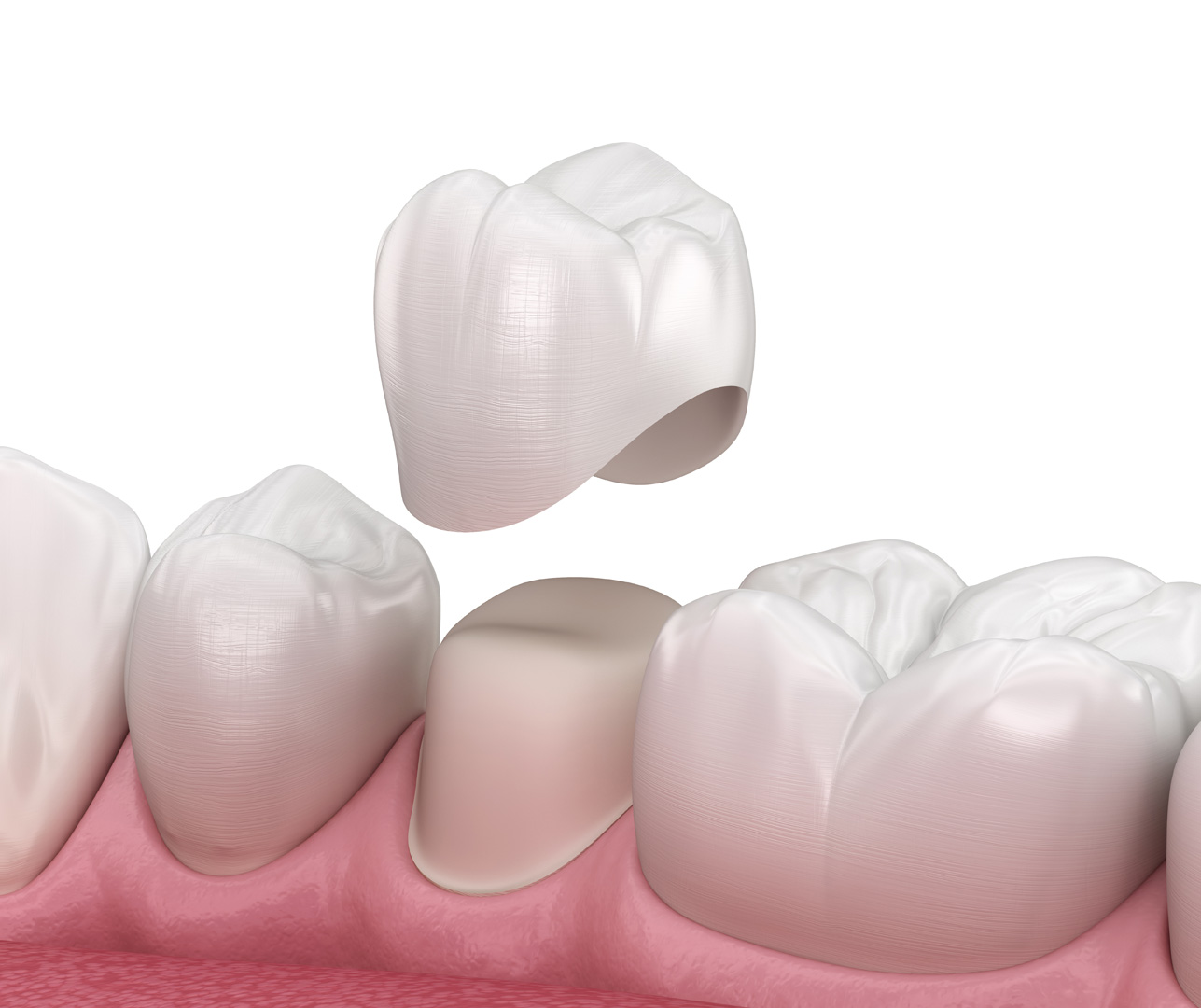
A crown is a cap, and a cap needs something solid to sit on. When a tooth has lost a large amount of structure - to decay, an old filling, a fracture, or the access hole drilled for a root canal - there may not be enough tooth left for a crown to grip and stay put. A core buildup rebuilds that missing bulk, usually with the same tooth-coloured composite or a similar material used for fillings, creating a stable "core" in the shape of a small tooth. The dentist then prepares that core and fits the crown over it.

Think of it as the foundation under a house. The crown is what you see; the buildup is the structure underneath that lets the crown hold. Without enough foundation, the crown can loosen or the tooth can fracture.
When a Core Buildup Is Genuinely Needed
A buildup is legitimately indicated when a significant portion of the tooth is gone. Common, defensible situations include:
- Extensive decay that removed a large volume of the tooth.
- A large old filling being replaced, leaving thin or undermined walls.
- A fractured or broken cusp, so part of the tooth is simply missing.
- After a root canal, where the access hole plus prior decay leaves the tooth hollowed out. A buildup fills and reinforces the core before the crown - which is part of why a crown is standard after a root canal in the first place (see why you need a crown after a root canal).
In all of these, the goal is a solid, retentive core and enough of that band of healthy tooth above the gum (the "ferrule") for the crown to grip. When too little tooth remains, the buildup is what makes crowning possible at all.
When a Core Buildup Is Worth Questioning
Because a buildup is a separate, billable procedure, it is also one that can be added more often than strictly necessary. Reasonable questions arise when:
- The tooth is largely intact. If most of the natural tooth structure remains, a crown may seat well without a full buildup. Sometimes only a minor filling of an undercut is needed rather than a full core.
- It appears on every crown automatically. A buildup should reflect the condition of the specific tooth. If a practice charges one on essentially every crown regardless, that pattern is worth asking about.
- No reason was given. As with any line item, you are entitled to know why this tooth needs it. "There was not enough tooth to hold the crown, see here on the X-ray" is a real answer; silence is not.
- A buildup is billed but little material was used. The charge should correspond to genuinely rebuilding missing structure.
None of this means buildups are a scam - most are appropriate. It means the buildup should match the tooth. For the wider picture on line items that inflate a plan, see unnecessary dental work red flags and, on pricing, is my dentist overcharging me.
Core Buildup vs Post and Core
You may also see "post and core." A post is a small rod cemented into a root canal of an already root-treated tooth to help anchor the core when very little tooth remains. A post is only relevant after a root canal and only when retention is genuinely lacking - it is not needed for most vital (non-root-canalled) teeth. If a post is on your plan for a tooth that has not had a root canal, that is worth clarifying. The American Association of Endodontists notes that restoring endodontically treated teeth should use the most conservative approach that provides adequate retention.
How to Check Your Plan
Bring three questions to the conversation: *How much of this tooth is missing? Is there enough left to hold a crown without a buildup? Can you show me on the X-ray?* An itemised plan makes this far easier to follow - our guide on how to read your dental treatment plan explains the codes and columns, and the plain-English dental glossary defines the terms. If a crown is being recommended in the first place, it is worth confirming that too - see when is a crown actually necessary.
FAQ
What is a core buildup in dentistry? It is a filling-like foundation that rebuilds a tooth which has lost a lot of structure, so there is enough solid material for a crown to fit over and grip. It is placed before the crown and billed as a separate procedure, often under code D2950.
Do I always need a core buildup with a crown? No. A buildup is needed only when enough tooth is missing that the crown would not have adequate structure to hold. A largely intact tooth may be crowned without one. It should reflect the specific tooth, not be automatic.
Why is the buildup a separate charge from the crown? Because it is a separate procedure - rebuilding the tooth core is distinct from fabricating and cementing the cap. It appears as its own line item even when done at the same appointment.
What is the difference between a core buildup and a post and core? A core buildup rebuilds the tooth with filling material. A post is a rod placed into a root canal to add anchorage when very little tooth remains, and only applies to root-canal-treated teeth. A post is not needed for most teeth that have not had a root canal.
How can I tell if I really need a buildup? Ask how much of the tooth is missing and to see it on the X-ray. If a large portion is gone - from decay, a big old filling, a fracture, or a root canal - a buildup is usually justified. If the tooth is mostly intact or no reason is given, it is reasonable to verify.
How much does a core buildup cost? It commonly runs about $200 to $500 in addition to the crown, varying by region. Because it adds to an already significant crown cost, it is worth confirming it is warranted for your tooth.
Final Advice
A core buildup is not a mysterious upcharge - it is the foundation that lets a crown hold when a tooth has lost too much structure to stand on its own. On a badly broken-down or root-canalled tooth, it is genuinely necessary. On a largely intact tooth, or when it is charged automatically with no explanation, it is fair to ask why.
If a buildup - or the crown it goes under - showed up on your plan and you are not sure it is warranted, upload your X-rays and treatment plan to toothcheck for an independent second opinion. A licensed dentist will tell you whether the buildup is genuinely needed for your tooth, in writing and usually within 72 hours. You can also start with a treatment plan review.
Last medically reviewed: July 2026