Baby Teeth Chart: When Kids Get and Lose Teeth
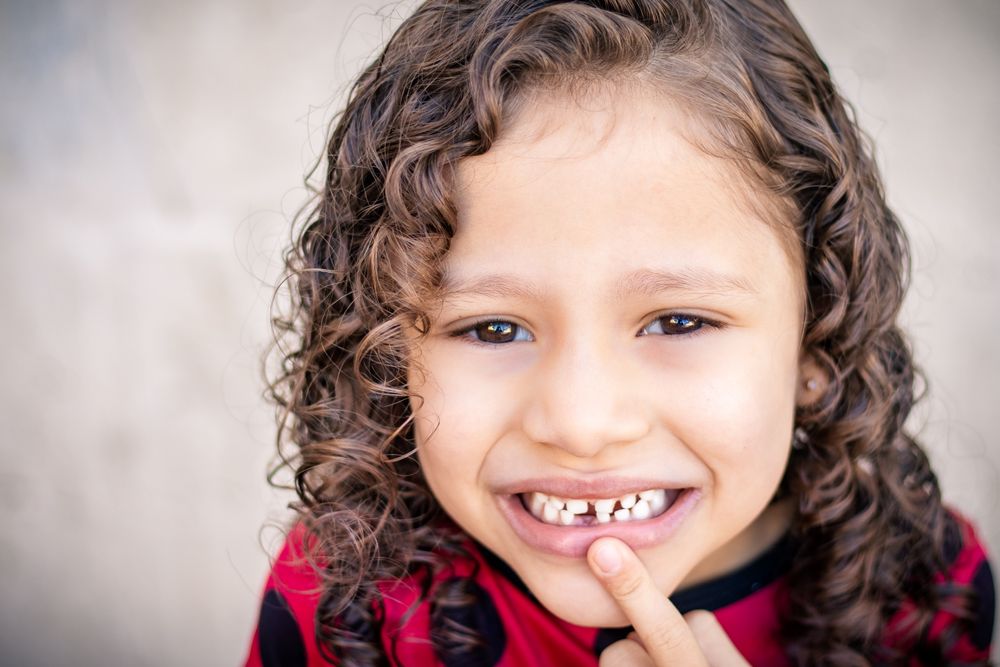
A warm, parent-friendly baby teeth chart showing when the 20 primary teeth come in and when kids lose them, plus teething tips and the signs worth a dentist visit.
Reviewed by the toothcheck Dental Team Independent dentist providing online second opinions.
If you are watching for that first tiny tooth — or waiting for a wobbly one to finally come out — you are not alone. Few milestones fascinate (and worry) parents quite like teeth. This guide walks you through the whole journey: when your child's 20 baby teeth arrive, the order they usually come in, and when they start falling out to make room for the permanent set.
Quick Answer
Most children get their first baby tooth around 6 months of age and have all 20 primary teeth by about age 3. They then begin losing those teeth around age 6 and finish around age 12, generally in the same order the teeth first appeared. A few months earlier or later is completely normal. If a plan for your child's teeth ever feels aggressive or confusing, toothcheck offers a written second opinion from an independent, licensed dentist for a flat $59, usually within 72 hours — a calm way to double-check before you commit.
The 20 Baby Teeth at a Glance
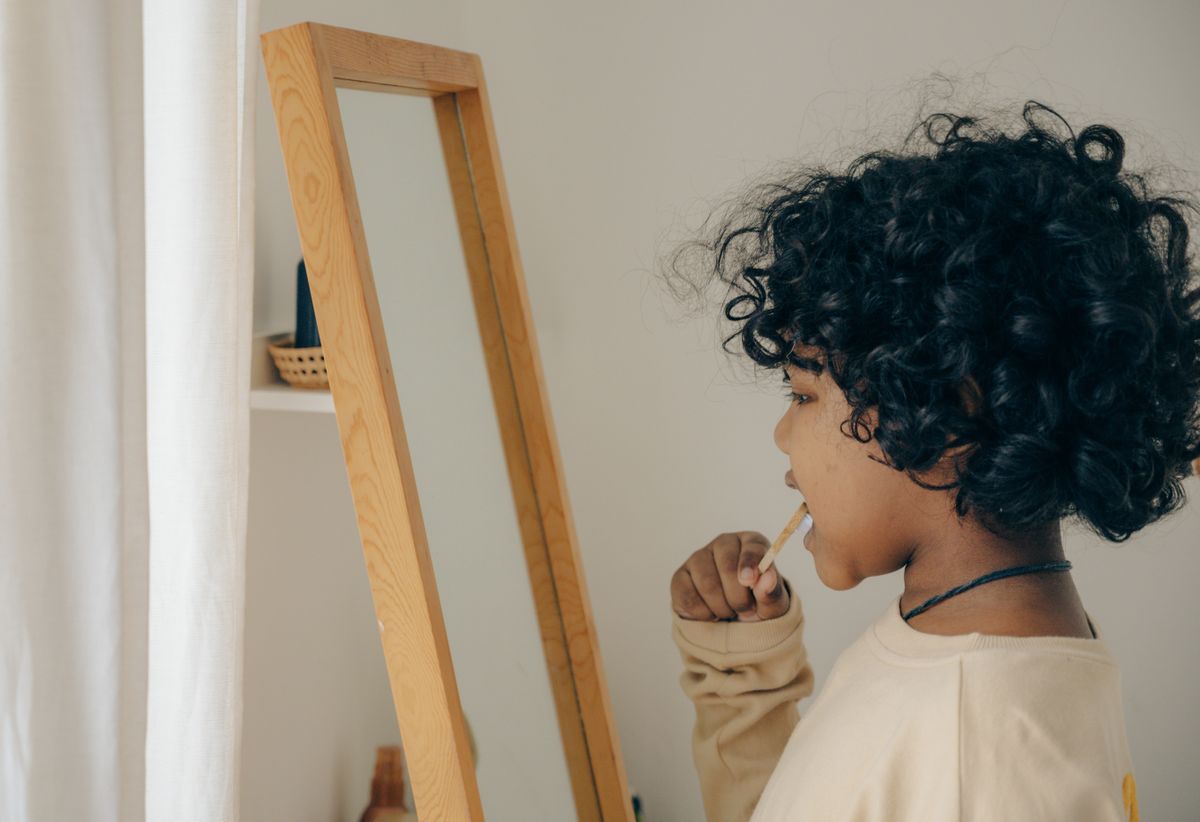
Children have 20 primary (baby) teeth — 10 on top and 10 on the bottom. Each jaw has four incisors (the front biting teeth), two canines (the pointed teeth), and four molars (the back grinders). These teeth do far more than fill out a smile: they help your child chew, speak clearly, and — crucially — hold space for the permanent teeth forming underneath. That is why keeping them healthy matters even though they are temporary.
For the deeper picture of primary teeth and how they differ from permanent ones, our pediatric dental second-opinion guide is a good companion read.
When Baby Teeth Come In (Eruption Timeline)
Teething usually begins around 6 months, most often with the two lower front teeth. From there, teeth tend to arrive in pairs, working from the front of the mouth toward the back. Here is the typical order, grouped by tooth type:
- Lower central incisors — the two bottom front teeth, usually first, around 6 to 10 months
- Upper central incisors — the two top front teeth, around 8 to 12 months
- Upper lateral incisors — beside the top front teeth, around 9 to 13 months
- Lower lateral incisors — beside the bottom front teeth, around 10 to 16 months
- First molars — the first back grinders, around 13 to 19 months on top and 14 to 18 months on the bottom
- Canines (cuspids) — the pointed teeth that fill the gap, around 16 to 22 months
- Second molars — the very back baby teeth, around 23 to 33 months
By about age 3, most children have a full set of 20 baby teeth. Do not be surprised if your child's pattern varies a little — the order is more reliable than the exact ages.
When Baby Teeth Fall Out (Shedding Timeline)
Around age 6, the process reverses. The roots of the baby teeth slowly dissolve as the 32 permanent teeth push up from below, and the baby teeth loosen and fall out — usually in the same order they arrived. The whole changeover typically runs from about age 6 to age 12.
- Central incisors — the front teeth, usually first to go, around 6 to 7 years
- Lateral incisors — around 7 to 8 years
- First molars — around 9 to 11 years
- Canines — around 9 to 12 years
- Second molars — the last baby teeth to leave, around 10 to 12 years
The 6-year molars: adult teeth that surprise parents
Here is the part that catches many families off guard. Around age 6, the first permanent molars come in at the very back of the mouth — behind the last baby teeth — without any baby tooth falling out first. Because nothing wobbles or drops out to announce them, these are often mistaken for baby teeth. They are not. These 6-year molars are permanent and meant to last a lifetime, and their deep grooves make them especially prone to cavities. Brushing all the way to the back, and asking your dentist whether sealants make sense, can protect them from day one. The CDC has helpful, plain-language information on sealants and children's oral health.
Teething: Signs and Safe Soothing
Teething can be uncomfortable, but it is rarely dramatic. Common, normal signs include:
- Drooling more than usual
- Wanting to chew or gnaw on things
- Sore, puffy gums where a tooth is coming through
- Being a bit fussier or sleeping less soundly
- A slightly raised temperature (but not a true fever)
Safe ways to soothe an achy mouth:
- Gently rub the gums with a clean finger or a cool, damp washcloth
- Offer a solid (not liquid-filled) teething ring chilled in the refrigerator — not frozen hard
- For older babies on solids, a cold spoon or chilled soft food can help
- Ask your pediatrician before using any pain reliever, and follow the dosing exactly
A note of caution: the American Academy of Pediatrics advises against teething necklaces and amber beads, which pose choking and strangulation risks, and against benzocaine gels for infants. A true fever, diarrhea, or a rash is not caused by teething — call your pediatrician, because something else is likely going on. You can read more about safe teething from the American Academy of Pediatrics.
What Counts as Normal Variation
Teeth run on their own schedule, and that schedule is wider than most charts suggest. A few months early or a few months late is well within the normal range, and timing often runs in families. One child may flash a tooth at 4 months while a sibling waits until after the first birthday — both can be perfectly healthy. Focus less on hitting exact dates and more on the overall pattern: teeth arriving roughly in order, gums looking healthy, and your child eating and growing well.
Signs Worth a Dentist Visit
Most teething and tooth-loss questions sort themselves out with a little patience. Still, a few situations are worth a professional look:
- Very delayed eruption — no teeth by about 18 months, or a full baby set not in by around age 3
- Teeth erupting badly out of order or position — for example, a molar arriving well before the front teeth, or noticeable crowding
- A permanent tooth coming in behind a baby tooth that has not loosened (sometimes called shark teeth) — usually fine, but worth checking
- Pain, swelling, or a discolored tooth — especially after a bump or fall
- The first dental visit being overdue
If your child has facial swelling, a fever, or trouble breathing or swallowing, treat it as an emergency and seek in-person care right away — a records-based review is not a substitute for hands-on treatment in those moments.
The First Dental Visit: First Tooth or First Birthday
Both the American Academy of Pediatric Dentistry and the AAP recommend that first dental visit by the time the first tooth appears or by the first birthday — whichever comes first. It sounds early, but the visit is mostly about prevention, guidance, and helping your child feel at ease in the chair. If you are wondering what that appointment looks like, our guide to your child's first dentist visit explains what to expect. And if the visit is already overdue, do not stress — just book it; the AAPD has a dentist finder to help.
If that first visit turns up cavities in the baby teeth and you are unsure whether every filling is truly needed, our article on whether baby-teeth cavities need filling walks through the options. And when a treatment plan feels like a lot, you can always ask an independent dentist to look at the X-rays and plan with a flat-fee online second opinion before you decide. For a broader parent overview, visit our children's dental second-opinion hub.
FAQ
When do babies usually get their first tooth?
Most babies get their first tooth around 6 months of age, and it is usually a lower front tooth (a central incisor). Some children start as early as 3 months and others not until after their first birthday, and both extremes can be perfectly normal. If no teeth have appeared by about 18 months, it is worth mentioning to your dentist or pediatrician.
In what order do baby teeth come in?
Baby teeth usually arrive in a predictable pattern: the lower central incisors first, then the upper central incisors, followed by the lateral incisors, the first molars, the canines, and finally the second molars. Most children have all 20 primary teeth by about age 3. The exact timing varies from child to child, but the general order is fairly consistent.
When do children start losing their baby teeth?
Children typically begin losing baby teeth around age 6, starting with the lower front teeth, and finish by about age 12. Teeth are usually shed in roughly the same order they came in, as the permanent teeth push up underneath. A wide age range is normal, so do not worry if your child is a year or two ahead of or behind a friend.
What are the first permanent molars and why are they mistaken for baby teeth?
The first permanent molars come in around age 6, behind the last baby molars, without any baby tooth falling out first. Because no tooth is lost to make room, many parents do not realize these are adult teeth that must last a lifetime. They are prone to cavities in their deep grooves, so keeping them clean and asking your dentist about sealants can help protect them.
Is it normal for baby teeth to come in early or late?
Yes. A few months earlier or later than the average is completely normal and rarely a cause for concern. Timing tends to run in families, so if you or your partner were early or late teethers, your child may follow the same pattern. Bring it up with your dentist only if teeth are very delayed or seem to be erupting badly out of order.
When should I take my child to the dentist for the first time?
Both the American Academy of Pediatric Dentistry and the American Academy of Pediatrics recommend the first dental visit by the first tooth or the first birthday, whichever comes first. Starting early helps your dentist catch problems sooner and gets your child comfortable with dental visits. If that first visit is already overdue, it is never too late to book one.
Final Advice
Your child's teeth will mostly follow their own timeline, and that is normal. Use this chart as a friendly reference, not a stopwatch — the order teeth come and go tells you more than the exact age. Keep the gums and teeth clean, book that first dental visit by the first tooth or first birthday, and watch for the few genuine warning signs above. And if a recommended treatment plan ever leaves you uncertain, a calm, independent treatment plan review can give you clarity and peace of mind before you say yes.
Last medically reviewed: August 2026