Do Baby Teeth Cavities Need to Be Filled?

Do baby teeth cavities need to be filled? It depends on which tooth, the age of your child, and how deep the cavity is. Learn when a small spot can be safely monitored, when a filling is genuinely needed, and when a second opinion helps.
Reviewed by the toothcheck Dental Team Independent dentist providing online second opinions.
If your child's dentist has spotted a cavity, you have probably had the thought many parents do: the baby teeth are going to fall out anyway, so why drill and fill them at all? It is a fair question, and the honest answer is not a simple yes or no.
Whether a baby tooth cavity needs filling depends on which tooth it is, how old your child is, how deep the cavity is, and how long that tooth still has to do its job. Some small, early spots can be watched and even reversed; others genuinely need treatment to prevent pain and infection. This guide walks through the difference so you can ask better questions before agreeing to anything.
Quick Answer
Not every baby tooth cavity needs a filling, but many do, and ignoring the ones that matter can cause real harm. Small, early, enamel-only spots can often be monitored and remineralized with fluoride, better home care, sealants, or silver diamine fluoride. Deep, painful, or fast-growing cavities, especially in back baby molars that must last until age 10 to 12, usually do need treatment to prevent an abscess and to protect the permanent tooth forming underneath. Because dentists genuinely disagree on borderline cases, an independent second opinion on the X-rays is worth having before you commit to multiple fillings. toothcheck offers a licensed independent dentist review of your child's X-rays and treatment plan for a flat $59, returned in writing within 72 hours.
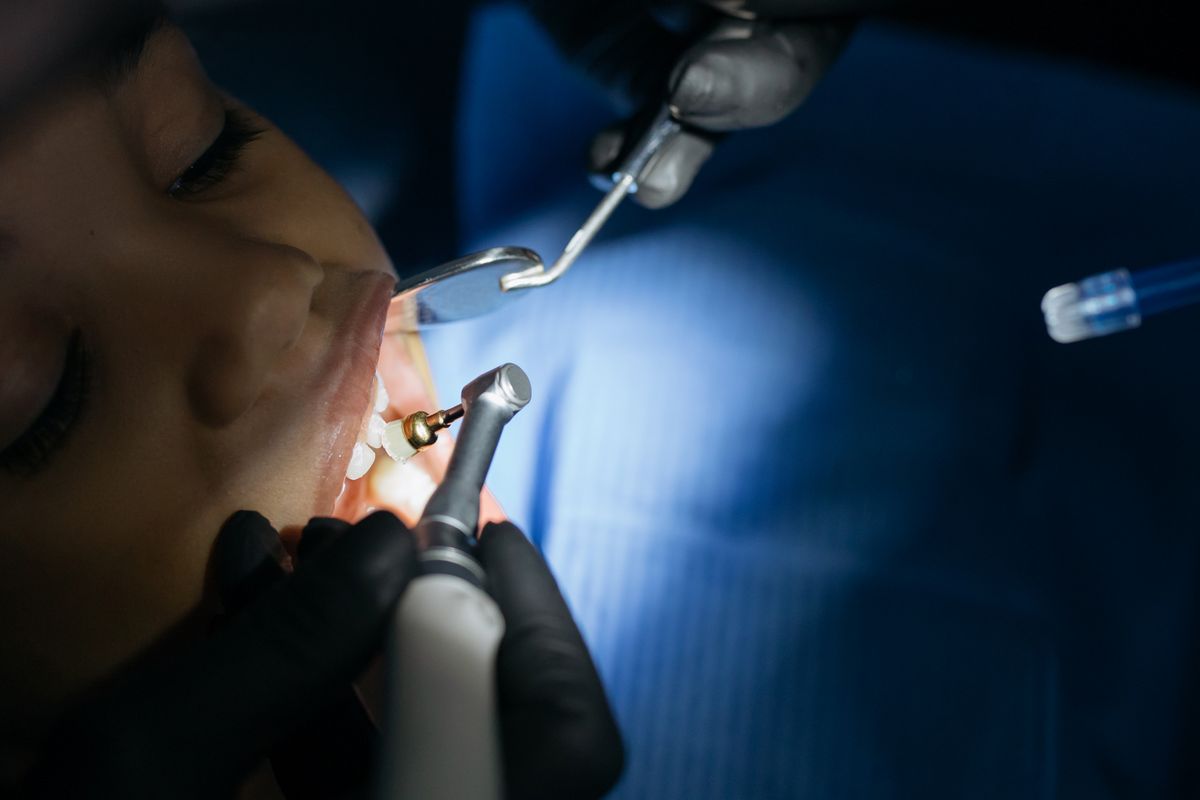
The Myth: They Fall Out Anyway, So Why Fill Them?
This is the most common thing parents wonder, and it holds a grain of truth wrapped around a costly mistake. The grain of truth is that not every baby tooth is worth aggressive treatment, and a tiny early spot on a tooth about to fall out may never need a drill.
The mistake is assuming that holds for every baby tooth. Baby teeth are not disposable: they hold space for the permanent teeth, guide them into position, and let your child chew, speak, and sleep without pain. A neglected cavity can become an abscess that hurts, spreads, and can even damage the adult tooth forming directly beneath it. So the real question is never they fall out anyway; it is which tooth, how bad, and how soon does it go?
Which Tooth Matters, and When It Falls Out
The single most important factor is which baby tooth has the cavity, because baby teeth do not all leave at the same time.
- Front baby teeth (incisors) are usually lost early, around age 6 to 8, so a shallow cavity on a front tooth that is already loose has far less time to cause trouble.
- Back baby molars are the workhorses. They often stay until age 10 to 12, so a cavity there may have to serve five or six more years.
A good dentist factors this in: a molar that must last another six years should not be left to decay, while a shallow spot on a front tooth already on its way out may be fine to monitor. For more on how these calls are made, see our children's dental second opinion guide and the in-depth pediatric dental second opinion article.
When a Cavity Can Be Monitored or Reversed
Not every dark spot is a done deal. Early decay still limited to the enamel has not formed a true hole and can often be stopped or reversed without drilling. Conservative, evidence-based options include:
- Fluoride — varnish and fluoride toothpaste help remineralize weak spots; the American Academy of Pediatric Dentistry backs fluoride as a core preventive tool (AAPD).
- Better home care — cutting the frequency of sugary snacks and drinks and brushing twice a day removes the fuel for decay.
- Dental sealants — thin coatings that shield the grooves of back teeth. A Cochrane review found sealants effective at preventing decay in children (Cochrane), and the CDC backs them as strongly protective (CDC). See are dental sealants for kids worth it.
- Silver diamine fluoride (SDF) — a liquid painted on the cavity that arrests it with no needle or drill. It stains the spot dark, but can buy time on a tooth close to falling out.
A dentist who offers to watch a small spot and recheck in six months with fluoride and sealants is usually being careful, not neglectful.
When a Filling Is Genuinely Needed
Monitoring is only appropriate for early, shallow lesions. A cavity crosses into needs-treatment territory when it is:
- Deep — decay has broken through the enamel into the dentin and formed a real hole.
- Painful — your child complains of a toothache, sensitivity, or trouble eating on that side.
- Growing — the spot is visibly larger or darker than before, or shows progression on X-ray.
- In a molar with years left to serve — a back tooth that must last until age 10 to 12 cannot be left to decay.
The risks of leaving these untreated are real: ongoing pain that disrupts eating and sleeping; infection and dental abscess, which can spread and occasionally become a medical emergency; damage to the permanent tooth forming directly beneath the baby tooth; and early loss of the baby tooth, which can crowd the permanent teeth and cause orthodontic problems.
To be clear, this is about asking good questions, not ignoring cavities: a genuinely decayed, painful, or infected tooth needs care. And if your child has facial swelling, fever, or trouble swallowing or breathing, that is an emergency; see a dentist or doctor in person right away, not an online review.
The Range of Treatment Options, Least to Most Invasive
If a baby tooth does need treatment, there is a ladder from gentlest to most involved, and a good plan uses the least invasive option that will actually solve the problem.
- Silver diamine fluoride (SDF) — no drill; arrests early-to-moderate decay; good for anxious children or teeth close to falling out.
- Filling — the standard fix for a true but contained cavity.
- Stainless steel crown — a pre-made cap for a molar too broken down for a filling to hold; useful when justified, but sometimes recommended when a filling would do. See children's stainless steel crown second opinion.
- Pulpotomy (baby root canal) — removing infected pulp when decay has reached the nerve; right for deep infection, but worth confirming. See baby root canal and pulpotomy second opinion.
If a plan jumps straight to crowns or baby root canals for several teeth at once, it is reasonable to ask whether a filling or SDF would work instead.
Why Dentists Disagree, and Why a Second Opinion Helps
Here is something many parents do not realize: whether a child needs a filling can genuinely depend on which dentist is reading the X-ray. Small cavities in baby teeth are hard to read, and experienced dentists often disagree on borderline cases; where one sees a cavity to drill, another sees an early spot to watch.
That is not a scandal, but it does mean a plan for multiple fillings is worth a second look, especially when it is large, involves sedation, or simply feels like a lot. Because cavity diagnosis is based on the X-rays your dentist already took, a reviewer does not need your child in the chair. You can upload your child's X-rays and treatment plan for a written review from a licensed independent dentist, and toothcheck reviewers are paid a flat fee, so there is no incentive to talk you into, or out of, treatment.
FAQ
Do baby teeth cavities really need to be filled if they fall out anyway?
Sometimes yes, sometimes no. A tiny early spot on a front tooth that is already loose may never need a filling, but a deep or painful cavity in a back molar that must last until age 10 to 12 usually does, because leaving it can cause infection and harm the permanent tooth underneath.
Can a small baby tooth cavity heal or be reversed without a filling?
Early decay still limited to the enamel can often be stopped or reversed without drilling, using fluoride, better brushing, less frequent sugar, dental sealants, or silver diamine fluoride. Once decay forms a true hole into the dentin, it can no longer heal on its own and needs treatment.
What happens if you leave a cavity in a baby tooth untreated?
A cavity that needs treatment but is ignored can cause ongoing pain, trouble eating and sleeping, and a dental abscess that can spread. The infection can also damage the permanent tooth forming beneath, and early loss of the baby tooth can crowd the permanent teeth later.
What are the treatment options for a baby tooth cavity?
Options run from least to most invasive: silver diamine fluoride to arrest decay without a drill, a filling for a contained cavity, a stainless steel crown for a badly broken-down molar, and a pulpotomy or baby root canal when decay has reached the nerve. A good plan uses the least invasive option that will actually fix the problem.
Should I get a second opinion before agreeing to multiple fillings for my child?
It is a sensible idea, especially if the plan is large, includes sedation, or simply feels like a lot. Dentists genuinely disagree on borderline cavities, so an independent review of the same X-rays can confirm what is truly needed. toothcheck offers a written review from a licensed independent dentist for a flat $59 within 72 hours.
Final Advice
The question is not whether baby teeth cavities always need filling, because they do not. It is whether this cavity, in this tooth, at your child's age, needs treatment now. Ask which tooth it is, how deep the cavity goes, and whether monitoring is an option. And if a plan calls for several fillings, crowns, or a baby root canal, a flat $59 independent online second opinion on the X-rays is a calm, low-cost way to make sure the treatment matches the need.
Last medically reviewed: August 2026