When Should a Child First See a Dentist?
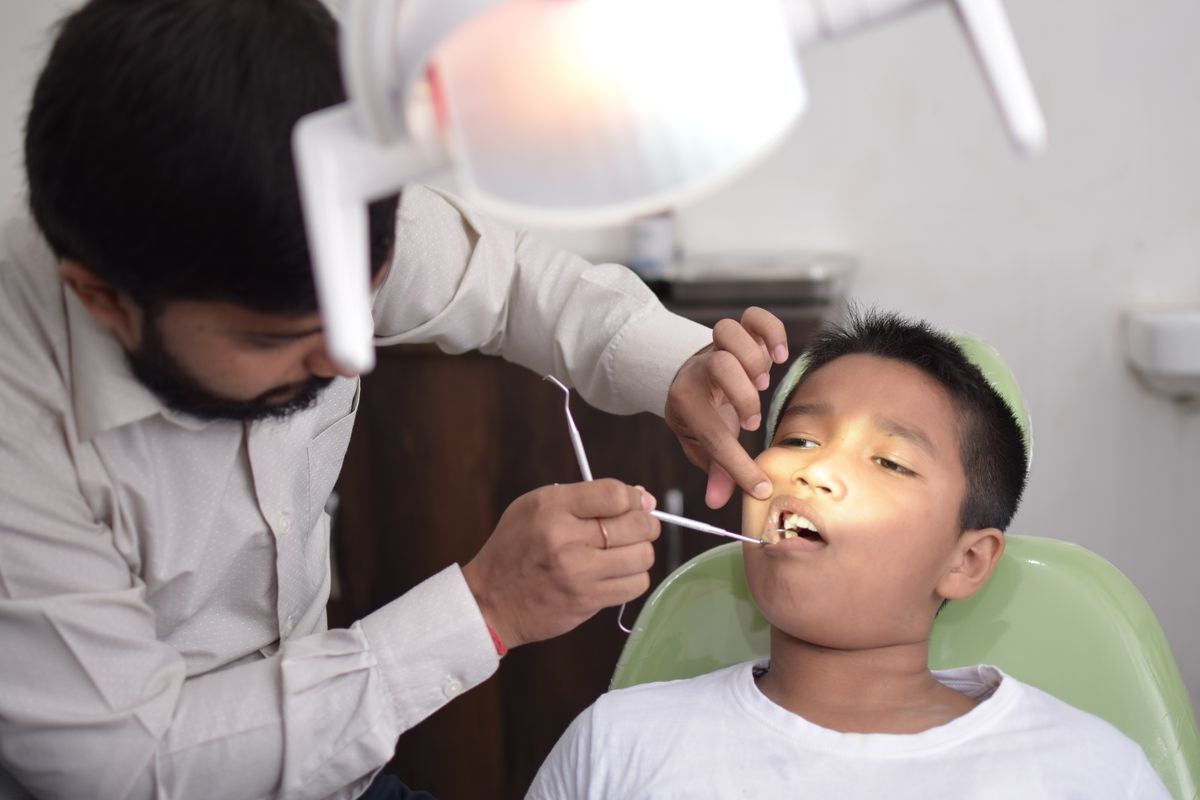
The AAPD and AAP recommend a first dental visit by age one or within six months of the first tooth. Learn what happens, how to prepare your toddler, and how often to return.
Reviewed by the toothcheck Dental Team Independent dentist providing online second opinions.
If you are wondering whether it is too early to book your baby's first dental appointment, the answer usually surprises parents.
Quick Answer
Your child should see a dentist by their first birthday, or within six months of their first tooth coming in, whichever happens first. This is the shared recommendation of the American Academy of Pediatric Dentistry (AAPD) and the American Academy of Pediatrics (AAP). It is earlier than most families expect, and that is on purpose: the first visit is about prevention and guidance, not drilling. The idea is to establish a "dental home" - a trusted office your family returns to - before problems start. And if a treatment plan is ever recommended down the road and you want a calm, independent read on it, a licensed dentist can review your child's X-rays and plan in writing within 72 hours for a flat $59.
Why So Early? The First Birthday Rule
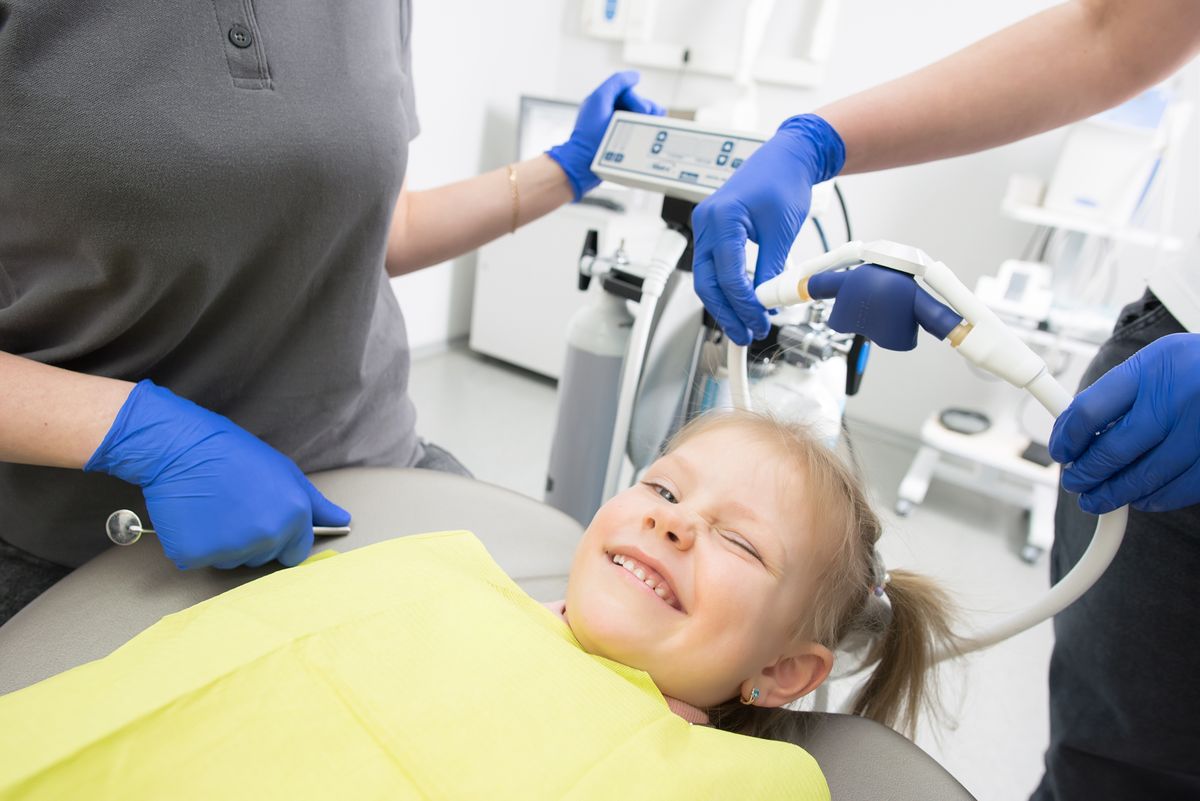
For decades, parents were told to wait until age two or three. That advice has changed. Both the AAPD and the AAP now agree on age one - or within six months of the first tooth - because so much of what matters in early childhood dentistry is preventable.
Getting in early does several things at once:
- Catches decay risk before it becomes decay - Even brand-new baby teeth can develop cavities, and early childhood decay can move quickly. A dentist can spot the warning signs and help you head them off.
- Sorts out feeding and bottle habits - This is often the most valuable part of an early visit. Falling asleep with a bottle, prolonged night nursing, and sippy cups of juice all bathe new teeth in sugar for hours. Small changes here prevent big problems later.
- Gets fluoride and brushing right - You will get age-appropriate guidance on how much toothpaste to use (a smear the size of a grain of rice for children under three), how to brush a squirmy toddler, and whether fluoride is appropriate for your child.
- Builds familiarity - A child who visits the dentist as a happy, healthy baby learns that the office is a safe, normal place, long before they ever need anything done.
If you are still tracking which teeth have arrived and which are on the way, our baby teeth chart and eruption timeline is a helpful companion to that first visit.
What Actually Happens at a First Visit
Parents often picture the worst - a frightened toddler, bright lights, unfamiliar tools. The reality is far gentler, and usually very short.
Here is what a typical first appointment looks like:
- A knee-to-knee exam - For babies and young toddlers, the dentist and parent often sit facing each other, knees touching, with the child lying back across both laps. Your child stays in your arms and can see your face the whole time.
- Counting and checking the teeth - The dentist gently counts the teeth that have come in, checks for early decay, and looks at the gums, bite, and soft tissues.
- A gentle cleaning and fluoride - Many first visits include a quick polish and a fluoride varnish painted on the teeth. It takes seconds and helps strengthen the enamel.
- Your questions, answered - This is your time. Bring every question about teething, thumb-sucking, pacifiers, diet, and brushing.
- Usually no X-rays - At the very first visit, most children do not need X-rays. Radiographs are generally introduced later, and only when there is a specific reason, such as teeth sitting closely enough that decay could hide between them.
The whole thing is often over in fifteen or twenty minutes. A little crying is normal and expected - dentists who see young children are completely used to it, and it does not mean the visit went badly.
Pediatric Dentist or Family Dentist: How to Choose
Both a pediatric dentist and a general or family dentist can be excellent choices. What matters most is that the dentist is comfortable with very young children and that you feel at ease there.
- Pediatric dentists complete two to three years of extra residency training focused specifically on children, including infants, kids with special health care needs, and behavior guidance. Their offices are usually built around children.
- Family and general dentists treat patients of all ages, and many are wonderful with little ones. A family practice can also be convenient if you would like the whole family seen in one place.
Either way, it is fair to ask whether an office sees infants and toddlers regularly, and how they handle a child who becomes upset.
How to Prepare Your Toddler and Ease Anxiety
A calm parent is your child's best cue. A few simple things make a real difference:
- Book a morning slot - Young children are usually rested and cooperative earlier in the day.
- Keep your language positive - Avoid words like hurt, shot, or drill, even to reassure. Instead, talk about the dentist counting and tickling the teeth.
- Read a book or play pretend - Plenty of children's books show a happy first dental visit, and practicing open wide at home helps.
- Bring a comfort item - A favorite stuffed animal or blanket can settle nerves.
- Model calm yourself - If you have your own dental anxiety, do your best not to pass it along. Children read our tone more than our words.
How Often Should Your Child Return?
For most children, every six months is the standard interval, and it is the rhythm the AAPD recommends. Some children at higher risk of decay may be asked to come more often, and a few very low-risk children may be able to stretch the interval - your dentist will tailor this to your child.
Regular visits keep prevention on track: fluoride varnish, monitoring of new teeth as they arrive, brushing check-ins, and diet guidance. As the first permanent molars come in around age six, ask about dental sealants for kids, a simple, evidence-backed way to protect those chewing surfaces - the CDC considers sealants one of the most effective cavity-prevention tools available for children.
When Treatment Really Is Necessary
Most of the time, early visits are all prevention and reassurance. But sometimes treatment genuinely is the right call, and it helps to know what that looks like:
- Visible decay causing pain or reaching the nerve - Left alone, this can turn into infection.
- An abscess or facial swelling - This needs prompt, in-person care.
- A tooth broken with the nerve exposed - This is time-sensitive.
- A baby tooth blocking a permanent tooth from erupting properly.
The vast majority of dentists are honest, and most recommendations for children are sound. A second opinion is not an accusation - it is sensible verification, especially when a plan involves crowns, extractions, sedation or general anesthesia, or several fillings at once. If that ever happens, our children's dental second opinion guide and our in-depth pediatric second opinion article walk you through exactly what to ask and what to compare. You can also upload your child's X-rays and treatment plan for an independent, written treatment plan review from a licensed dentist within 72 hours.
A Note on Emergencies
An online, records-based review is a great way to double-check a non-urgent plan, but it is not a substitute for in-person care in an emergency. If your child has significant facial swelling, a fever, or any trouble breathing or swallowing, seek in-person or emergency care right away. When in doubt about something urgent, call your dentist or your pediatrician first.
FAQ
When should my child first see a dentist?
By their first birthday, or within six months of the first tooth appearing, whichever comes first. This is the shared recommendation of the AAPD and the AAP. Starting this early is about prevention and guidance rather than treatment.
What happens at a first dental visit for a toddler?
Expect a short, gentle appointment, often a knee-to-knee exam with your child resting in your lap. The dentist counts the teeth, checks for early decay, may do a quick cleaning and fluoride varnish, and answers your questions. Most children do not need X-rays at this first visit.
Should I choose a pediatric dentist or a family dentist?
Both can be excellent. Pediatric dentists complete two to three years of extra training focused on children, while many family and general dentists are also wonderful with little ones and can see the whole family in one place. Choose an office that regularly treats infants and toddlers and where you feel comfortable.
How can I help my toddler feel calm at the dentist?
Book a morning appointment, keep your language positive and avoid scary words, and read books or play pretend open wide at home beforehand. Bringing a comfort item helps, and staying calm yourself matters most, since children take their cues from you.
How often should my child see the dentist?
Every six months is the standard interval for most children and the rhythm the AAPD recommends. Some children at higher risk of decay may need to come more often, and your dentist will personalize the schedule based on the needs of your child.
Does my child need X-rays at the first visit?
Usually not at the very first visit. X-rays are typically introduced later and only when there is a specific reason, such as back teeth sitting closely enough that decay could hide between them. Your dentist should explain why any X-ray is being recommended.
Final Advice
Booking that first appointment by age one is one of the simplest, highest-value things you can do for your child's long-term dental health. Go in expecting prevention, not procedures: a friendly introduction, practical guidance for you, and a dental home your family can grow with.
And if a treatment plan is ever recommended and something does not sit right, you are always allowed to pause and verify. Start with our children's dental second opinion guide, or get a licensed dentist to review your child's X-rays and plan through an online dental second opinion - a written read within 72 hours for a flat $59.
Last medically reviewed: August 2026