Child Grinding Teeth at Night: When to Worry
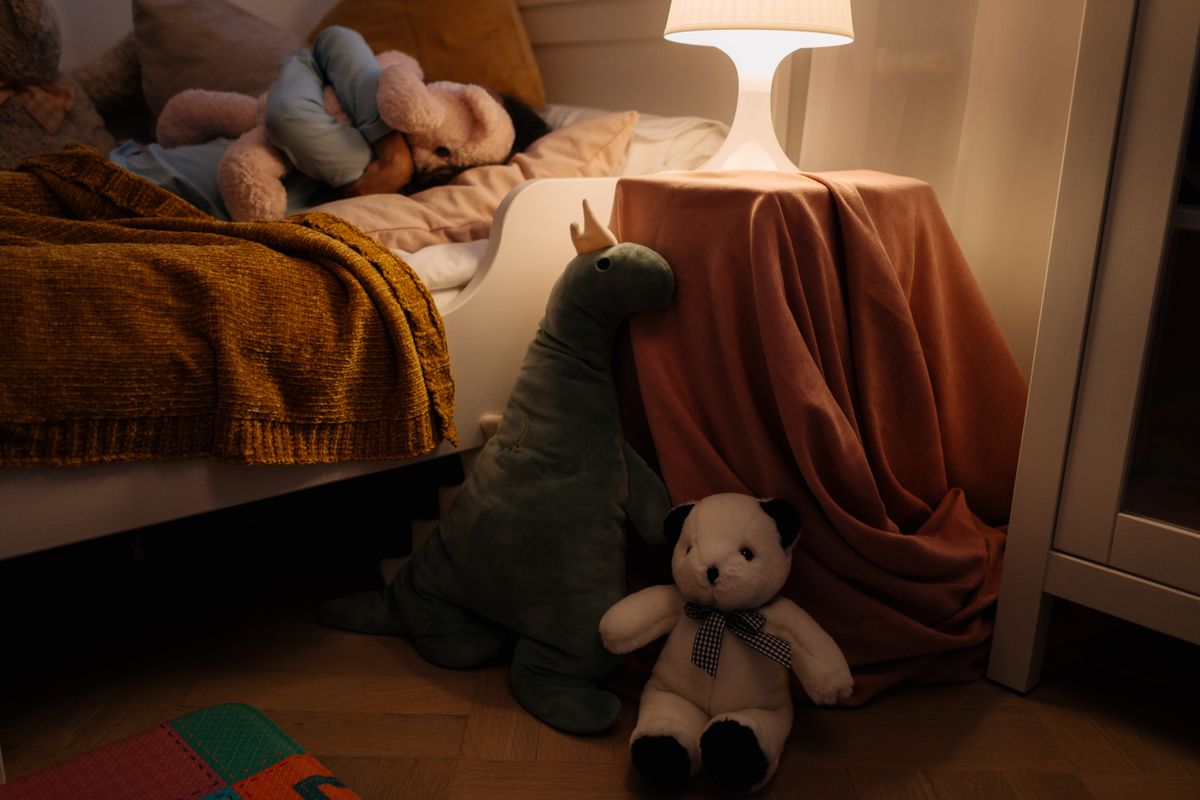
Nighttime teeth grinding, known as sleep bruxism, is very common in young children and most outgrow it with no lasting harm. Learn the causes, when a dentist visit is warranted, and simple ways to help.
Reviewed by the toothcheck Dental Team Independent dentist providing online second opinions.
If you have ever crept into your child's room at night and heard that unsettling scraping or crunching sound, you are far from alone. Nighttime teeth grinding — known medically as sleep bruxism — is one of the most common things parents notice, and one of the most worried-over. The reassuring headline: in young children it is usually harmless, and most kids outgrow it on their own with no treatment at all.
Quick Answer
Nighttime teeth grinding is very common in young children, and the great majority outgrow it with no lasting harm and no treatment needed — often around the time they start losing their baby teeth. It is usually tied to normal growth and development rather than anything serious. A dentist visit is worth it if you see chipped or clearly worn teeth, your child complains of tooth or jaw pain, or grinding comes with loud snoring or pauses in breathing. And if a dentist ever recommends significant treatment or an appliance for grinding in a young child, it is reasonable to pause and get a second opinion first — toothcheck offers an independent, written review of your child's X-rays and treatment plan by a licensed dentist within 72 hours for a flat $59.
How Common Is Teeth Grinding in Children?
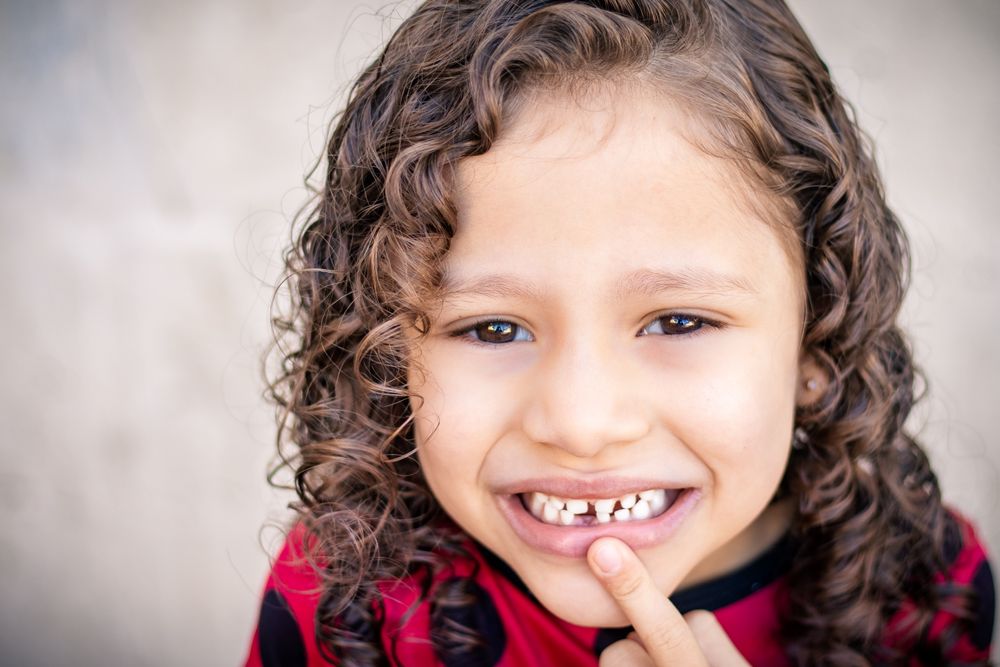
Sleep bruxism is remarkably common in childhood. Many young children grind or clench at some point, most often between the toddler years and about age six, and the habit tends to fade as the permanent teeth come in. The American Academy of Pediatric Dentistry describes bruxism as frequently seen in children and typically self-limiting, meaning it usually resolves without intervention American Academy of Pediatric Dentistry.
Parents notice it because the sound carries. A quiet house at night makes even light grinding easy to hear from the next room, which is one reason it can feel alarming out of proportion to the actual risk. Hearing it does not mean something is wrong.
Why Do Children Grind Their Teeth at Night?
There is no single cause, and often no cause is ever identified. The most common and least worrying explanations include:
- Normal jaw and tooth development — young children are constantly growing, and grinding may simply be part of how the jaw and bite settle in.
- New teeth coming in — teething or the arrival of new baby or permanent teeth can prompt grinding as your child gets used to a changing mouth. For a sense of the normal timeline, see our baby teeth chart and eruption timeline.
- Mild discomfort — an earache, a stuffy nose, or general teething soreness can all trigger grinding.
- Stress or big routine changes — starting daycare or school, a new sibling, travel, or a disrupted schedule can show up as nighttime grinding.
- Disrupted sleep or airway issues — less often, grinding is linked to restless sleep or breathing difficulties, such as enlarged tonsils or adenoids. This is the one category worth watching more closely, and we cover the warning signs below.
In most children, grinding falls into the first few groups and needs nothing more than reassurance and time.
Why Night Guards Are Usually Not Recommended for Young Children
Adults who grind are often fitted with a night guard, so parents naturally ask whether their child needs one. For young children with baby teeth, the answer is usually no.
- A child's mouth changes too fast. Baby teeth are shed and permanent teeth erupt over several years, so a custom guard made this month may not fit in a few months.
- The teeth are being lost anyway. Because primary teeth are on their way out, wear that would concern a dentist in an adult is far less significant in a young child.
- Guards can interfere with normal growth. An appliance in a rapidly developing mouth can get in the way rather than help.
For these reasons, most pediatric dentists take a watch-and-wait approach rather than jumping to an appliance. That does not mean grinding is ignored — it means monitoring is usually the right first step.
When Grinding Is Worth a Dentist Visit
Most grinding needs no more than a mention at your child's regular checkup. Bring it up sooner if you notice:
- Visible tooth wear or chips — flattened, chipped, or noticeably worn surfaces.
- Tooth or jaw pain — your child complains that their teeth or jaw hurt, especially in the morning.
- Sensitivity — complaints that teeth feel sensitive to hot, cold, or sweet foods.
If your child has not been to a dentist yet, grinding is a fine reason to book that first appointment — here is what to expect at a child's first dentist visit.
Signs of a possible sleep-breathing problem
A smaller number of children grind alongside disrupted sleep or breathing. Raise these with your pediatrician or dentist promptly:
- Loud, frequent snoring
- Pauses in breathing during sleep, or gasping
- Very restless sleep, or mouth breathing at night
- Daytime tiredness, irritability, or trouble concentrating
Grinding paired with these signs can point to sleep-disordered breathing, which deserves a proper evaluation. The American Academy of Pediatrics encourages parents to discuss loud snoring and breathing pauses with their child's doctor American Academy of Pediatrics. This is a question for a clinician who can examine your child, not something to diagnose from sound alone. It is also not a dental emergency — but any child with facial swelling, fever, or trouble breathing or swallowing needs prompt in-person care, not a records review.
When Treatment Genuinely Is Needed
To keep things balanced: there are real situations where a dentist should step in. If grinding has caused significant wear that exposes the softer layers of a tooth, if a tooth is painful or cracked, or if an underlying airway problem is confirmed, then treatment is appropriate and worth doing. A confirmed sleep-breathing issue, for example, may be handled by an ENT or pediatrician rather than the dentist. The point is never to avoid all care — it is to match the care to the actual finding, which for most young grinders is simply monitoring.
Simple Things That Can Help at Home
While you wait for grinding to fade, a few gentle habits can make a difference and carry no downside:
- A calming bedtime routine — a predictable wind-down with a bath, a book, and dim lights helps some children sleep more deeply and grind less.
- Reducing stress — talk through big changes, keep routines steady, and give anxious children extra reassurance before bed.
- Hydration — a well-hydrated child during the day tends to sleep more comfortably.
- Less screen time before bed — winding down without screens supports calmer sleep.
None of these are guaranteed fixes, but they are safe, supportive steps that fit naturally into good sleep habits.
What If a Dentist Recommends Treatment or an Appliance?
Occasionally a parent is told their young child needs a night guard, an orthodontic appliance, or other significant treatment for grinding. Because most childhood grinding resolves on its own, it is completely reasonable to pause and get an independent opinion before agreeing — especially for anything involving appliances, sedation, or a large bill. Our guides on red flags of unnecessary dental work and pediatric second opinions apply here too, and our children's dental second opinion hub is a good starting point.
If you would like a licensed dentist to review your child's X-rays and proposed treatment plan, you can upload them for an online treatment plan review. Reviewers are paid a flat fee and have no reason to upsell — you get a plain-English written opinion within 72 hours for $59.
FAQ
Is it normal for my child to grind their teeth at night?
Yes, nighttime teeth grinding, or sleep bruxism, is very common in young children and is usually harmless. Most children outgrow it on their own, often around the time they start losing their baby teeth. In the great majority of cases no treatment is needed.
Can nighttime grinding damage baby teeth?
Most young children who grind their teeth show little or no lasting damage, and baby teeth are shed anyway. Some children develop mild, even flattening of the tooth surfaces that a dentist can simply monitor. If you notice chips, visible wear, or your child complains of tooth or jaw pain, mention it at the next dental visit.
Does my child need a night guard for grinding?
Night guards are usually not recommended for young children with baby teeth. The mouth changes quickly in young children as teeth erupt and are shed, so a guard would not fit for long and can interfere with normal development. Most pediatric dentists prefer to watch and wait, since the habit typically fades on its own.
When should I take my child to the dentist for teeth grinding?
Book a visit if you see chipped or noticeably worn teeth, or if your child complains of tooth sensitivity or jaw pain. Also raise it if grinding comes with loud snoring, pauses in breathing, very restless sleep, or daytime tiredness, since these can be signs of a sleep-breathing problem. A dentist or pediatrician can check whether anything beyond ordinary grinding is going on.
Can teeth grinding be a sign of a sleep or breathing problem?
Sometimes. In a smaller number of children, grinding happens alongside disrupted sleep or airway issues such as enlarged tonsils. Watch for loud snoring, breathing pauses, mouth breathing, or tiredness during the day, and share these with your pediatrician or dentist. They can decide whether an evaluation for sleep-disordered breathing is needed.
How can I help my child stop grinding their teeth at night?
A calm, consistent bedtime routine helps many children, as does easing stress from big changes like a new school or a new sibling. Keeping your child hydrated during the day and winding down screen time before bed can also help. Because most grinding fades naturally, gentle steps and patience are usually all that is needed.
Final Advice
If your child grinds their teeth at night, take a breath — for most families this is a normal, passing phase that ends without any treatment. Keep an eye out for the real warning signs, like visible tooth damage, pain, or snoring with breathing pauses, and mention grinding at routine dental visits so it can be monitored over time. And if you are ever told your young child needs an appliance or significant treatment for grinding, it is sensible to get an independent second opinion first. Most dentists give sound advice, and a quick check simply confirms you are on the right path.
Last medically reviewed: August 2026