Dental Sealants for Kids: Are They Worth It?
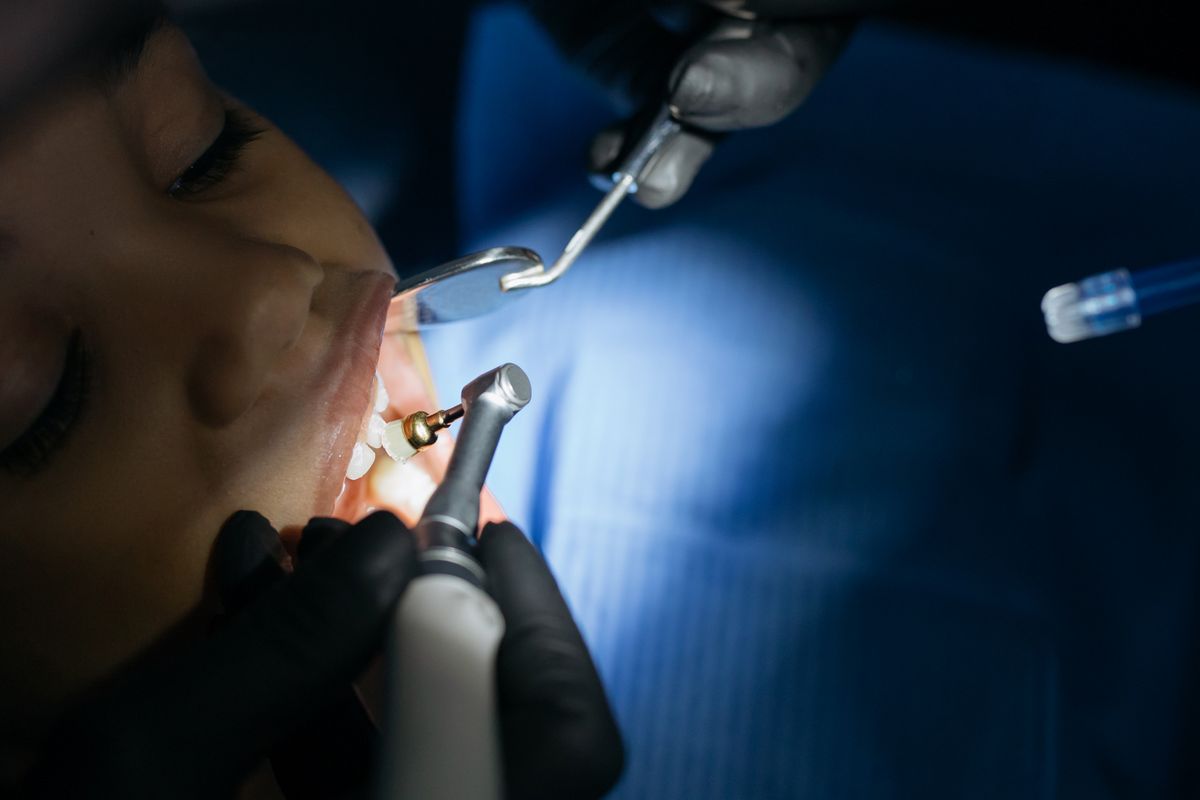
Dental sealants are one of the best-supported preventive treatments for kids: a quick, painless, needle-free coating that helps stop cavities in the back teeth. Learn what sealants are, the evidence behind them, the cost, the safety, and when a second opinion still helps.
Reviewed by the toothcheck Dental Team Independent dentist providing online second opinions.
If a dentist has suggested sealants for your child, you may be wondering whether this is a genuinely useful preventive step or just another add-on to the bill. That is a fair question to ask about any recommendation. In the case of sealants, though, the answer is refreshingly clear.
Quick Answer
For most school-age children, dental sealants are one of the best-supported preventive treatments in dentistry, and one of the rare recommendations where the answer is usually worth saying yes to. A sealant is a thin protective coating painted into the deep grooves of the back teeth, where cavities most often start. It is quick, painless, and needle-free, and the evidence that it prevents cavities is strong. Sealants are also inexpensive and frequently covered by insurance or school programs, so the cost-to-benefit math is very favorable. If your dentist recommends sealants on their own, you can feel comfortable accepting; if sealants arrive bundled inside a large plan of fillings, crowns, or sedation, an independent second opinion (a flat $59 written review within 72 hours at toothcheck) can confirm the rest of the plan makes sense.

What Is a Dental Sealant?
A dental sealant is a thin, tooth-colored or clear resin coating that a dentist or hygienist paints onto the chewing surface of a back tooth. The chewing surfaces of molars are not smooth. They are full of narrow pits and grooves that are too tight for toothbrush bristles to clean properly. Food and bacteria settle into those grooves, and that is exactly where cavities tend to begin in children.
A sealant works by flowing into those grooves and hardening into a smooth barrier, so plaque and food can no longer collect in the parts of the tooth a brush cannot reach.
The application itself is simple and reassuring for anxious kids:
- No drilling and no needles — nothing is removed from the tooth
- No anesthesia — the tooth is only cleaned, dried, and coated
- Fast — usually a minute or two per tooth
- Painless — most children feel nothing more than a dry tooth and a light brushing sensation
Because it is so gentle, a sealant appointment can be a good early confidence-builder. If you are still working out when routine visits should begin, see our guide to your child's first dentist visit and the right age to start.
Do Sealants Actually Work? What the Evidence Says
This is where sealants stand apart from many optional dental extras. The evidence base is genuinely strong.
The CDC reports that sealants substantially reduce cavities in the back teeth of school-age children, and that children without sealants are considerably more likely to develop decay in those teeth than children who have them. The American Academy of Pediatric Dentistry similarly recommends sealants as a core part of preventing tooth decay in children and adolescents.
In plain terms, this is a preventive treatment that leading public health and pediatric dental authorities actively encourage. That is not something you can say about every line on a treatment plan, and it is why sealants are one of the few recommendations we suggest parents approach with confidence rather than suspicion.
Which Teeth, and at What Age?
Sealants are aimed at the teeth most prone to groove cavities: the permanent molars at the back of the mouth. The typical timeline follows tooth eruption.
- First permanent molars — around age 6. These come in behind the baby teeth (they do not replace a baby tooth), so parents often do not realize they have arrived. They are prime candidates for sealing soon after they erupt.
- Second permanent molars — around age 12. These erupt further back and are sealed on the same principle once they come through.
- Primary (baby) molars — sometimes, for higher-risk children. If your child has already had cavities, has deep grooves, or is otherwise at higher risk of decay, a dentist may recommend sealing baby molars too.
The best time to seal a tooth is shortly after it fully erupts, before decay has a chance to start. If you are weighing how aggressively to treat early decay in baby teeth, our guide on whether baby-tooth cavities need filling can help you frame the conversation.
What Do Sealants Cost, and Are They Covered?
Sealants are among the least expensive things a dentist does. Out of pocket, a single sealant commonly runs in the range of about $30 to $60 per tooth, and the cost is often lower, or nothing at all, once coverage is applied.
- Dental insurance — many plans cover sealants for children, sometimes at 100 percent, because insurers know prevention is cheaper than fillings
- School-based sealant programs — many communities run programs that provide sealants to school-age children at low or no cost
- Public health and community clinics — often offer sealants on a sliding scale
Compared with the cost of treating a cavity later (a filling, and in some cases a crown or more) a sealant is inexpensive insurance for the tooth.
How Long Do Sealants Last?
A well-placed sealant can last for years, but it is not permanent, and it is not set-and-forget. Daily chewing gradually wears sealants down, and a corner can chip or the bond can loosen over time.
That is why sealants should be checked at your child's routine dental visits. A dentist or hygienist looks to see whether the sealant is still intact, and if part of it has worn away or come off, it can simply be cleaned and reapplied. Keeping sealants monitored and topped up is what allows them to keep protecting a tooth through the cavity-prone childhood years.
Are Sealants Safe? The BPA Question
The most common worry parents raise about sealants is BPA (bisphenol A), because some sealant materials can release trace amounts.
The reassuring reality is that the exposure is very low. The amount of BPA a child is exposed to from dental sealants is extremely small, far below the levels of everyday exposure from food, drink, and household sources, and major dental and health authorities consider sealants safe. The American Dental Association regards the tiny, brief exposure from sealants as not a health concern, and the preventive benefit of avoiding cavities is well established.
If you are still concerned, it is perfectly reasonable to ask your dentist about the specific product they use, and to have your child rinse and wipe the treated teeth right after placement, which further reduces any transient exposure.
Sealant Versus Filling for an Early Groove Cavity
One genuinely useful thing to understand is how sealants relate to fillings when a groove shows very early decay.
If a molar groove has only the earliest, surface-level decay, and not a true cavity into the tooth, sealing it can stop that early decay from progressing without drilling. A filling, by contrast, removes tooth structure and is meant for decay that has already broken into the tooth. For borderline early lesions, a sealant (or a closely related preventive resin restoration) is often the more conservative, tooth-preserving choice.
This is exactly the kind of judgment call where dentists can reasonably differ, and where it is worth asking: is this a cavity that needs a filling, or an early groove that could be sealed instead? If the answer is unclear, that is a good moment to get a second set of eyes.
When a Second Opinion Still Helps
Sealants themselves rarely warrant a second opinion. They are low-cost, low-risk, and strongly evidence-based. The time to pause is when sealants show up as one small item inside a much larger plan, for example alongside multiple fillings, stainless steel crowns, or treatment under sedation.
A plan that bundles many procedures at once is worth verifying, not because your dentist is likely acting in bad faith (most recommendations are sound) but because pediatric treatment recommendations vary widely between dentists, and confirming the plan protects both your child and your budget. Our guide to red flags in unnecessary dental work and our pediatric second-opinion guide walk through what to look for, and the children's dental second opinion hub pulls the parent resources together.
If you want an independent, written review, you can upload your child's X-rays and treatment plan for a dental treatment plan review: a licensed independent dentist reads the same records your dentist used and gives you a plain-English opinion within 72 hours for a flat $59. One important note: an online records review is not a substitute for in-person care in an emergency. If your child has facial swelling, fever, or any trouble breathing or swallowing, seek urgent dental or medical care right away.
FAQ
What are dental sealants and how do they work?
A dental sealant is a thin protective coating a dentist paints into the deep grooves on the chewing surface of a back tooth, where a toothbrush cannot reach. Those grooves are where cavities most often start in children. The sealant flows in and hardens into a smooth barrier that keeps out food and bacteria. It is quick, painless, and needle-free.
Are dental sealants worth it for my child?
For most school-age children, yes. Sealants are one of the best-supported preventive treatments in dentistry, and both the CDC and the American Academy of Pediatric Dentistry recommend them to help prevent cavities in the back teeth. They are inexpensive, low-risk, and often covered by insurance, so the benefit strongly outweighs the cost.
How much do dental sealants cost and does insurance cover them?
Out of pocket, a sealant commonly costs about $30 to $60 per tooth, and it is frequently much less once coverage is applied. Many dental insurance plans cover sealants for children, sometimes fully, and many communities run school-based programs that provide them at low or no cost.
How long do dental sealants last?
A sealant can last for years, but it is not permanent. Normal chewing gradually wears it down and a corner can chip, which is why the dentist should check it at routine visits. If part of it has worn away, it can simply be cleaned and reapplied.
Are dental sealants safe given concerns about BPA?
Yes. Some sealant materials can release a trace of BPA, but the amount is extremely low, far below everyday exposure from food and drink, and major dental and health authorities consider sealants safe. If you remain concerned, you can ask about the specific product and have your child rinse right after placement.
Should my child get a sealant or a filling for an early groove cavity?
It depends on how far the decay has progressed. For the earliest, surface-level decay in a groove, a sealant can stop it from advancing without any drilling, which is the more conservative choice. A filling removes tooth structure and is meant for decay that has already broken into the tooth, so if it is unclear which applies, it is reasonable to ask for an explanation or a second opinion.
Final Advice
Dental sealants are one of the clearest yes recommendations in children's dentistry: a fast, painless, needle-free coating that leading health authorities endorse, at a cost that is usually modest or fully covered. If your dentist suggests sealing your child's molars, that is generally a sound, preventive choice you can accept with confidence. The only time to slow down is when sealants are folded into a much larger treatment plan, in which case it is the bigger recommendations, not the sealants, that are worth verifying. When in doubt, an independent online dental second opinion can give you clarity before you commit.
Last medically reviewed: August 2026