Does My Tooth Really Need to Be Pulled?

Extraction is permanent. A dentist explains when a tooth is genuinely non-restorable, when it can still be saved, and how to verify before you agree to pull it.
Reviewed by the toothcheck Dental Team Independent dentist providing online second opinions.
Of all the recommendations a dentist can make, extraction is the one worth slowing down for the most - because it is the one you cannot undo. A filling can be redone, a crown replaced, a root canal retreated. A pulled tooth is gone, and replacing it (with an implant or bridge) is far more expensive and involved than most people expect.
That does not mean extractions are wrong. Some teeth genuinely cannot be saved, and hanging on to a hopeless tooth can cost you money, pain, and even the neighbouring teeth. This guide explains the difference between a tooth that truly needs to come out and one that can still be saved - and how to verify which one you are dealing with before you agree.
Quick Answer
A tooth genuinely needs to be pulled when it is non-restorable - meaning there is not enough sound tooth left to rebuild, or the damage reaches too far below the gum. Clear reasons include a vertical root fracture, decay or a break that extends well below the gumline, severe bone loss from gum disease that has loosened the tooth, or a failed root canal that cannot be retreated. Teeth that can *usually* be saved include those with deep decay but intact roots, infected teeth (an abscess is often treatable with a root canal, not extraction), and cracked teeth that have not split. Because extraction is permanent and the alternatives are costly, it is one of the strongest cases for an independent second opinion before you agree.
The Real Question: Is the Tooth Restorable?
Dentists frame this decision around one word: *restorability*. The question is not "is this tooth damaged" - almost every tooth being discussed for extraction is damaged. The question is whether enough healthy structure remains to predictably rebuild it and have it last.
A key concept here is the ferrule: the band of solid, healthy tooth that a crown needs to grip onto, above the gumline, to hold. If decay or a fracture has destroyed the tooth down to or below the gum, there may be no ferrule left for a crown to grab, and restoration becomes unpredictable or impossible. That is often the real, legitimate reason a tooth is deemed non-restorable, even when it does not look that bad from the top.
When a Tooth Genuinely Needs to Come Out
These are the situations where extraction is usually the honest recommendation:
Vertical root fracture. A crack that runs lengthwise down the root cannot be repaired. Once a root is split, bacteria track down the fracture line and the tooth cannot be reliably saved.
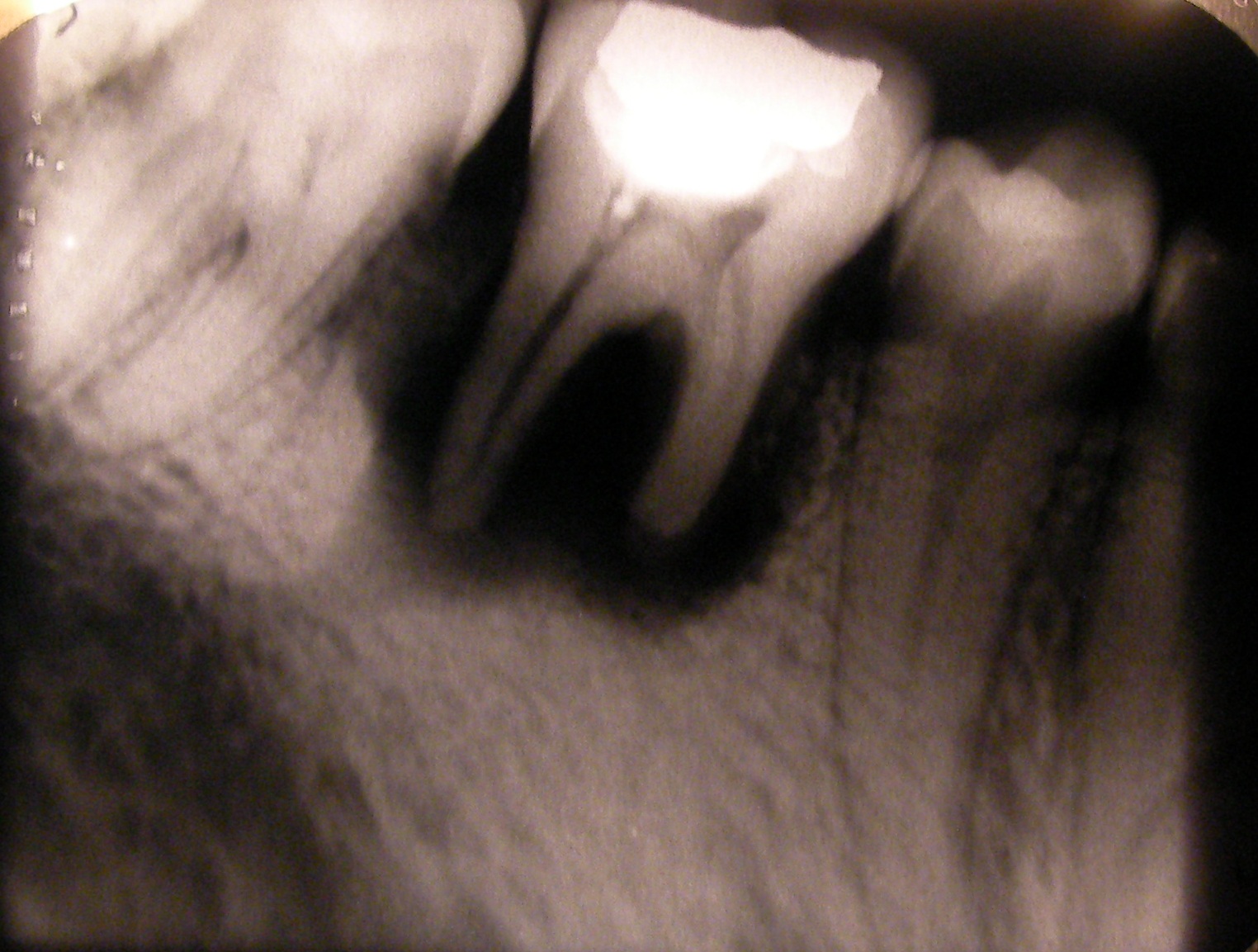
Decay or a break below the gumline. When the damage extends well under the gum, there is no ferrule for a crown to hold, and the tooth cannot be predictably restored.
Severe periodontal (gum) bone loss. If gum disease has destroyed most of the bone anchoring the tooth, the tooth becomes loose and there is nothing solid to keep it in place. No restoration fixes missing bone.
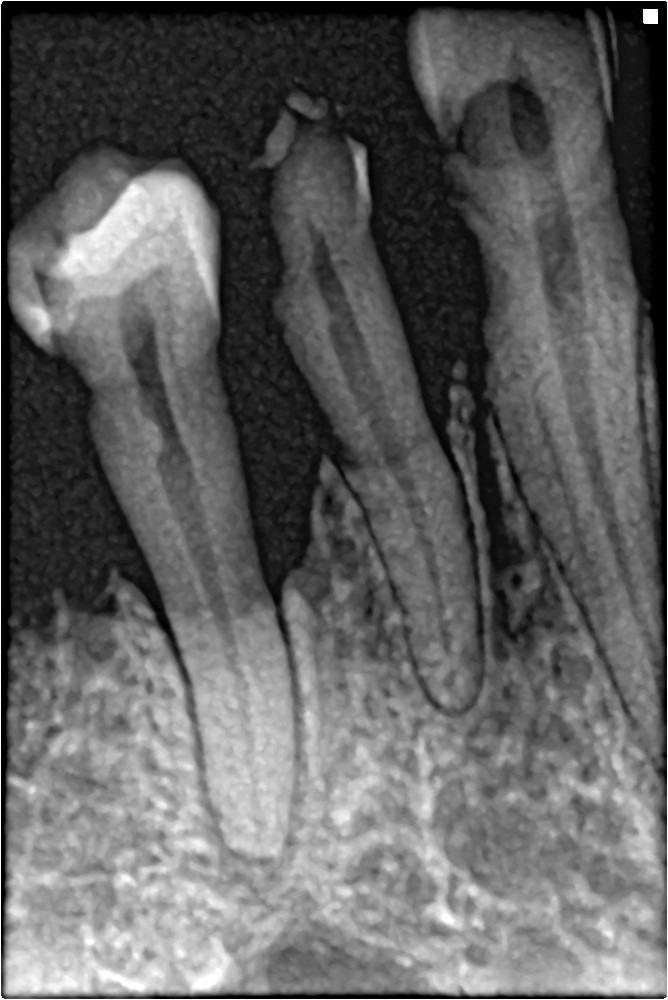
A failed root canal that cannot be retreated. Sometimes a previously treated tooth re-infects and retreatment is not feasible - at that point extraction may be the remaining option, though retreatment or surgery is often worth exploring first (see my root canal failed, now what).
When a Tooth Can Usually Be Saved
Just as important is knowing when extraction may be premature. These are situations where a tooth can *often* be saved, and where a recommendation to pull deserves a closer look:
- Deep decay with intact roots. Even large cavities can frequently be treated with a root canal and a crown if the root and enough tooth structure are sound. Deep decay alone is not the same as non-restorable.
- An abscess or infection. An abscessed tooth sounds alarming, but a periapical abscess is often treated by a root canal that saves the tooth - infection is not an automatic reason to extract. See what to do about a tooth abscess.
- A cracked tooth that has not split. Cracks are a spectrum. A cracked tooth that has not fully fractured can sometimes be saved with a crown; only a complete split into the root is hopeless.
- A tooth your dentist wants to pull "to be safe" or to place an implant. Extracting a savable tooth to replace it with an implant is a bigger, more expensive, and irreversible decision. This is one worth scrutinising - see our guide to unnecessary dental work red flags.
The American Association of Endodontists advocates saving natural teeth wherever reasonably possible, because nothing replaces a natural tooth as well as the tooth itself. For how the save-versus-replace decision plays out, see root canal versus extraction.
Why the Alternative Matters to the Decision
Part of judging whether a tooth "needs" to come out is understanding what comes after. A missing tooth is not a finished decision - the gap usually needs filling to stop the neighbouring and opposing teeth drifting, which means an implant or a bridge, each costing far more than saving the original tooth would have. Our comparison of a bridge versus an implant and a crown versus an implant lays out those numbers. When the cost and permanence of the replacement are on the table, the value of a second opinion on the extraction itself becomes obvious.
How to Verify Before You Agree
You do not have to refuse or argue - you just slow it down and ask to see the evidence:
- Ask your dentist to show you on the X-ray exactly why the tooth cannot be saved. A genuine non-restorable case is usually visible - a fracture, decay below the gum, or lost bone.
- Ask directly: "Is this tooth restorable, and if not, why not?" and "What would it take to save it?"
- If it is not an emergency (severe swelling, spreading infection, and uncontrolled pain are emergencies), it is reasonable to take the X-rays and get an independent opinion first. Under HIPAA you have a right to your records, including your X-rays.
FAQ
How do I know if my tooth can be saved or needs to be pulled? It comes down to restorability - whether enough sound tooth and bone remain to rebuild it predictably. Teeth with intact roots and enough structure above the gum can often be saved with a root canal and crown; teeth with a vertical root fracture, damage far below the gum, or severe bone loss usually cannot.
Is an abscessed tooth always extracted? No. A periapical abscess is often treated with a root canal that saves the tooth. Infection by itself is not an automatic reason to extract, though an emergency with spreading swelling needs prompt care.
My dentist wants to pull the tooth and place an implant. Should I get a second opinion? Yes, this is one of the strongest cases for one. Extracting a savable tooth to place an implant is irreversible and far more expensive, so it is worth confirming the tooth is genuinely non-restorable first.
Can a cracked tooth always be saved? It depends how deep the crack runs. A cracked tooth that has not fully split can often be saved with a crown, but a tooth with a complete vertical root fracture cannot be reliably restored.
What is a ferrule and why does it matter? The ferrule is the band of healthy tooth above the gumline that a crown grips to stay secure. If decay or a break has destroyed the tooth down to or below the gum, there may be no ferrule left, which is a common and legitimate reason a tooth is called non-restorable.
When is a tooth extraction a true emergency? Severe swelling, a spreading infection, difficulty swallowing or breathing, and uncontrolled pain are urgent and should be seen immediately. Most other extraction decisions are not emergencies and leave time to verify.
Final Advice
Extraction is the one dental decision you truly cannot take back, so it earns the most scrutiny. Some teeth are genuinely beyond saving, and clinging to them causes harm - but many teeth that get pulled could have been saved, and the replacement always costs more than the rescue would have. Ask to see why the tooth cannot be saved, and unless it is an emergency, give yourself the chance to check.
Before you agree to pull a tooth, upload your X-rays and treatment plan to toothcheck for an independent second opinion. A licensed dentist with no stake in the outcome will tell you, in writing and usually within 72 hours, whether the tooth is genuinely non-restorable or whether it can still be saved. You can also start with a treatment plan review.
Image credits: Root resorption image released into the public domain by Dentlavkesh via Wikimedia Commons; periapical bone loss radiograph by Shaimaa Abdellatif via Wikimedia Commons (CC BY-SA 4.0). Used as educational examples - they do not depict toothcheck patients.
Last medically reviewed: July 2026