Tooth 17: Your Lower Left Wisdom Tooth
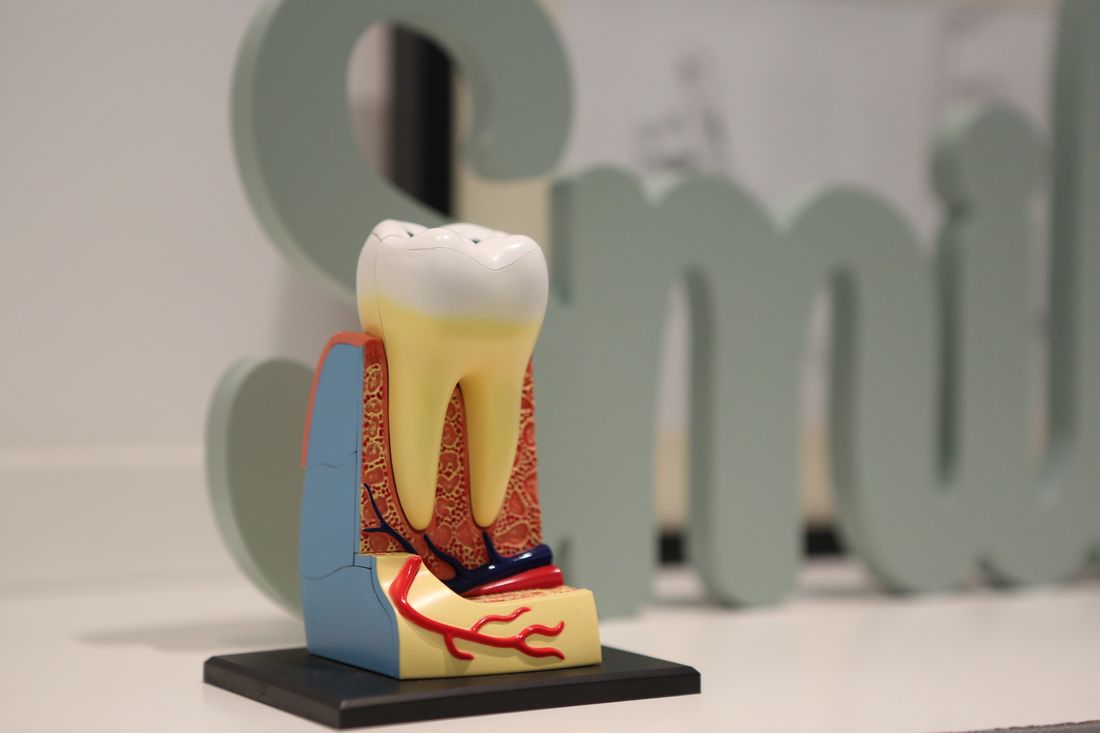
Tooth 17 is your lower left wisdom tooth. Learn where it sits, how it is numbered, common problems, and why its nerve proximity matters before removal.
Reviewed by the toothcheck Dental Team Independent dentist providing online second opinions.
If your dentist, a treatment plan or an X-ray report mentions "tooth 17" or "tooth #17", they mean your lower left wisdom tooth. It is the very last tooth at the back of the lower left side of your jaw, and it is one of the teeth most often discussed for removal.
This guide explains where tooth 17 sits, how its number translates across the different numbering systems, what commonly goes wrong with it, and why its position near a major jaw nerve matters if extraction is ever proposed.
Quick Answer
Tooth 17 is the lower left third molar, also called the lower left wisdom tooth, in the Universal Numbering System. In the international FDI system it is tooth 38, and in Palmer notation it is the lower left 8. Lower wisdom teeth are the most commonly impacted teeth and their roots can sit close to the inferior alveolar nerve, so careful imaging and planning matter before any removal.
Where Tooth 17 Sits in Your Mouth
Tooth 17 is in the lower jaw (the mandible), on the patient's left side, at the far back behind the second molar (tooth 18). Remember that dental charts are written from the dentist's point of view looking at you, but numbering "left" and "right" always refers to your own left and right.
In the Universal Numbering System, adult teeth are numbered 1 to 32. Numbering starts at the upper right wisdom tooth (1), runs across the top to the upper left wisdom tooth (16), then drops straight down to the lower left wisdom tooth, which is tooth 17. It then continues along the bottom from left to right, ending at the lower right wisdom tooth, tooth 32. That is why 16 and 17 are neighbors in numbering even though they are on opposite jaws: the sequence simply turns the corner at the left back of the mouth.
If you want the full chart, see our guide to dental tooth numbering explained.
Tooth 17 in Different Numbering Systems
| System | How tooth 17 is written | Notes |
|---|---|---|
| Universal (US) | 17 | Used by most US dentists, numbered 1 to 32 |
| FDI (international) | 38 | Quadrant 3 (lower left), tooth 8 |
| Palmer | Lower left 8 | Eighth tooth from the midline, lower left quadrant |
| Anatomical name | Mandibular left third molar | The lower left wisdom tooth |
The ADA (https://www.ada.org/) uses the Universal system in the United States, while many other countries use FDI. If you are reading a report written abroad, a "38" and a "17" refer to the same tooth.
What Makes a Wisdom Tooth Different
A third molar, or wisdom tooth, is the last tooth to develop, usually forming in the late teens or early twenties. By then the rest of the arch is often already full, so there may not be enough room for tooth 17 to come in straight and fully. Some people never develop all four wisdom teeth, and some have them erupt without any trouble.
Lower wisdom teeth are particularly prone to being impacted, meaning they are blocked from erupting normally by the jawbone, gum or the neighboring molar. Common patterns include tilting forward toward tooth 18 (mesial angulation), lying sideways (horizontal impaction), or staying partly covered by gum tissue.
To see what these look like on an image, read what an impacted wisdom tooth looks like on an X-ray.
Common Problems With Tooth 17
Because it is so far back, tooth 17 is hard to clean. The problems dentists most often see include:
- Pericoronitis: inflammation or infection of the gum flap partly covering a wisdom tooth. It causes pain, swelling, a bad taste and sometimes difficulty opening the mouth.
- Decay on tooth 17 or on tooth 18: food and plaque trap in the gap between a tilted wisdom tooth and the second molar, so decay can develop on the back of tooth 18 as well.
- Gum disease around the area: deep pockets behind the second molar can be difficult to maintain.
- Cysts or other pathology: uncommonly, a fluid-filled sac can form around an impacted tooth and is usually found on imaging.
- Crowding or pressure sensations: commonly blamed on wisdom teeth, though the evidence that they cause crowding of the front teeth is limited.
Many people have a lower wisdom tooth that causes no symptoms at all. A pain in the back left of the jaw is not automatically tooth 17, so the right diagnosis depends on an exam and imaging.
Tooth 17 and the Inferior Alveolar Nerve
The distinctive feature of tooth 17 compared with the upper wisdom teeth is its relationship to the inferior alveolar nerve (IAN). This nerve travels inside a canal in the lower jaw and provides sensation to the lower teeth, lip and chin on that side. The roots of a lower wisdom tooth sometimes lie right against, or even overlap, this canal on an X-ray.
Another nearby structure is the lingual nerve, which runs close to the inside surface of the jaw near the lower wisdom tooth and supplies feeling to the tongue.
What this means in practice:
- Removing tooth 17 carries a small risk of temporary numbness or altered feeling in the lower lip, chin or tongue on the left. Permanent change is uncommon, but it is the reason this extraction is discussed more carefully than most.
- On a flat 2D panoramic X-ray, dentists look for warning signs such as darkening of the root where it crosses the canal, narrowing of the canal, or a break in the canal outline. These signs can raise concern, though they are not a guarantee.
- When roots appear very close to the nerve, a dentist or oral surgeon may order a 3D scan (CBCT) in person to see the relationship in three dimensions. toothcheck reviews 2D X-rays only and does not interpret CBCT, so a second opinion from us would focus on the 2D images and the plan, not replace that scan.
- Some surgeons use alternatives to full removal in selected high-risk cases, such as a staged approach that removes only the crown. This is a surgical decision that should be discussed directly with your surgeon.
When Is Removal of Tooth 17 Recommended?
Reasons commonly given for extraction include repeated pericoronitis, decay that cannot be restored, gum disease around the tooth, damage to tooth 18, cysts, or an impacted tooth with a clear path toward problems. For a wisdom tooth that is healthy, fully erupted and cleanable, removal is not automatically needed.
For wisdom teeth that are impacted but symptom-free and disease-free, professional opinion is debated. Some clinicians recommend preventive removal at a younger age when recovery tends to be easier, while others favor regular monitoring with imaging. Neither approach is wrong in every case, which is exactly why a recommendation is worth understanding before you agree.
Read more in our guide on alternatives to tooth extraction.
Questions to Ask Before Tooth 17 Is Removed
- What exactly is wrong with this tooth, and what do you see on the X-ray?
- How close are the roots to the nerve canal, and do you recommend a 3D scan?
- What is the risk of numbness in my case, and how often does it happen in your practice?
- What happens if I monitor the tooth instead of removing it?
- Is the surgery done in the office, by a general dentist or by an oral surgeon, and what sedation is planned?
- What is the full cost, including the imaging and any follow-up?
FAQ
Is tooth 17 a wisdom tooth? Yes. It is the lower left third molar.
What is tooth 17 called in FDI? Tooth 38.
Is the nerve always at risk? No. Many lower wisdom teeth sit well away from the nerve, and the risk depends on the position of the roots in each person.
Does it always need to come out? No. Healthy, disease-free and cleanable wisdom teeth can sometimes be kept and monitored.
Final Thoughts
Tooth 17 is your lower left wisdom tooth, and knowing its number helps you follow your chart, your X-ray report and your treatment plan. Because lower wisdom teeth are commonly impacted and can sit close to the inferior alveolar nerve, a proposed extraction is worth understanding rather than simply accepting.
If your dentist has recommended removing tooth 17 and you want an independent view, a online dental second opinion from toothcheck lets a licensed dentist review your 2D X-rays and proposed plan, usually within about 72 hours for 59 dollars. You can also read about wisdom tooth extraction second opinions to see what a review covers.
Last medically reviewed: October 2026