Tooth 1: Your Upper Right Wisdom Tooth
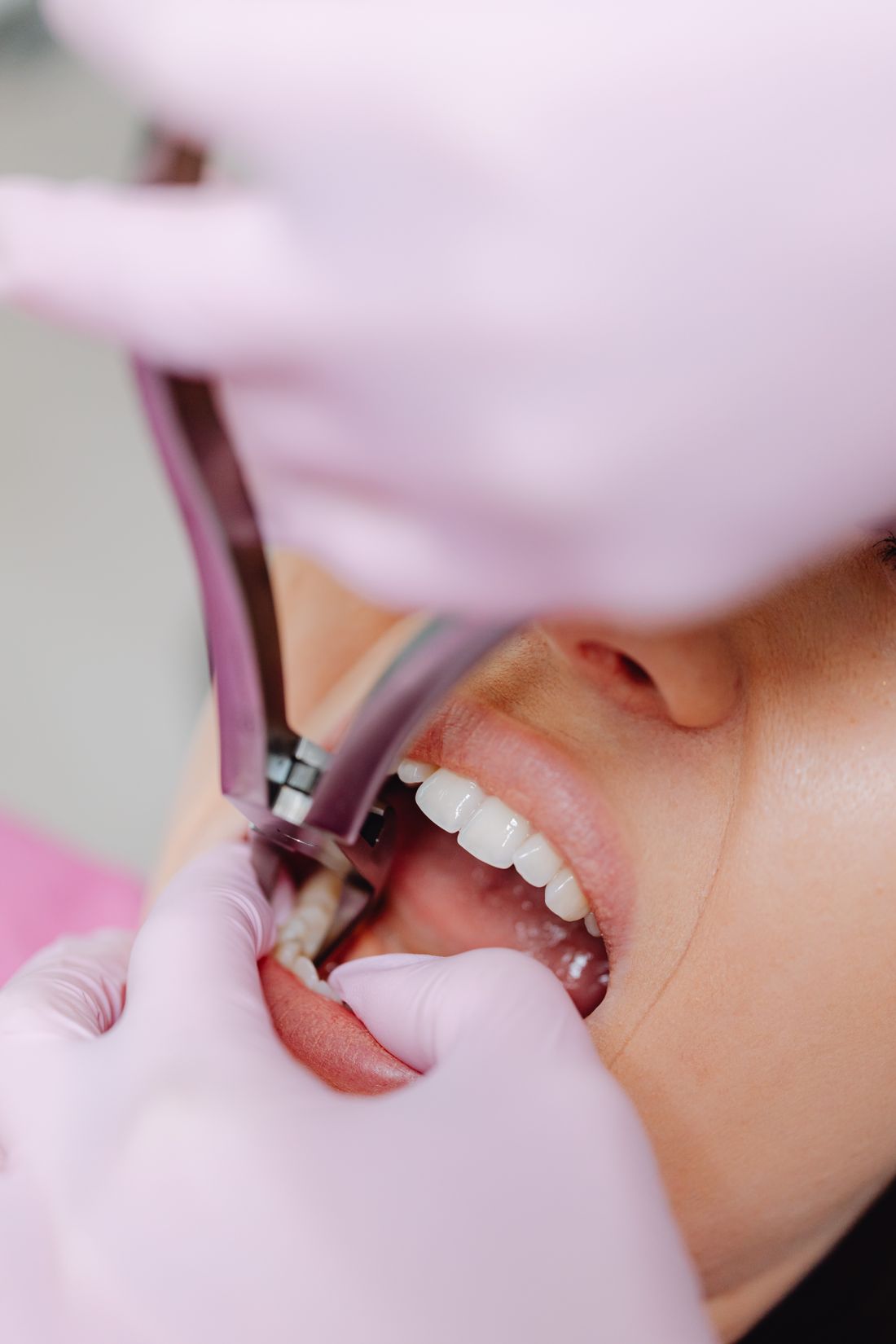
Tooth 1 is your upper right wisdom tooth. Learn where it sits, how it is numbered (FDI 18), common problems, and when removal is worth a second opinion.
Reviewed by the toothcheck Dental Team Independent dentist providing online second opinions.
If a dentist, an X-ray report or an insurance estimate mentions "tooth 1" or "tooth #1", they are talking about your upper right wisdom tooth. It is the very first tooth in the numbering system and also the one farthest back in the upper right corner of your mouth.
This guide explains where tooth 1 is, how it is labeled in different systems, what it does, and the problems that most often involve it. If you have been told it needs to come out, it also covers how to sanity-check that plan.
Quick Answer
Tooth 1 is the upper right third molar, commonly called the upper right wisdom tooth, in the US Universal Numbering System. Counting starts here, runs across the upper teeth to tooth 16 (the upper left wisdom tooth), drops to tooth 17 (lower left wisdom tooth) and finishes at tooth 32 (lower right wisdom tooth). In the international FDI system, tooth 1 is written as 18. Many people never have a fully functional tooth 1, because wisdom teeth are often missing, impacted or removed.
Where tooth 1 sits in your mouth
Dental charts are drawn as if you are looking at the patient, so the patient's right side appears on the left of the chart. That is why "upper right" can look like it is on the wrong side of a diagram. For you, tooth 1 is on the upper right, behind the second molar (tooth 2), at the back of the upper arch.
Moving forward from tooth 1 along the upper right side, the order is:
- Tooth 1: third molar (wisdom tooth)
- Tooth 2: second molar
- Tooth 3: first molar
- Tooth 4 and 5: premolars
- Tooth 6: canine
- Tooth 7 and 8: incisors
Upper wisdom teeth sit close to the cheek and, higher up, near the floor of the maxillary sinus. On an X-ray, the roots of upper molars can sit very near the sinus, which is one reason dentists look carefully at the image before planning an extraction here.
For a full walkthrough of all 32 teeth, see our guide to dental tooth numbering explained. If you want to match a number to the image in your own scan, read how to identify tooth numbers on an X-ray.
Tooth 1 in different numbering systems
Three notation systems are in common use. A treatment plan from a clinic abroad, or a report from a different country, may use a different one from your US paperwork, so it helps to be able to translate.
| System | How tooth 1 is written | Notes |
|---|---|---|
| US Universal | 1 | Teeth numbered 1 to 32, starting at the upper right wisdom tooth |
| FDI (ISO 3950) | 18 | First digit is the quadrant (1 = upper right), second digit is the tooth (8 = third molar) |
| Palmer | Upper right 8 | Quadrant symbol plus a number 1 to 8 counted from the midline |
All three describe the same tooth. The risk is mix-ups: "18" in FDI is the upper right wisdom tooth, but "18" in Universal would be a lower left molar. If you see a number on a quote and it does not match the tooth the dentist described, ask which system is being used.
What a third molar does
Third molars are the last teeth to develop and typically begin to erupt between the late teens and early twenties, though timing varies a lot. In an ideal mouth, tooth 1 works like the other molars: it has a broad chewing surface that grinds food and helps share the bite load.
In practice many modern mouths do not have enough room at the back of the jaw for a fourth set of molars to line up properly. A wisdom tooth may come in tilted, only partly emerge, stay buried in the gum or bone, or never form at all. A well-positioned, healthy tooth 1 that you can brush and floss around is a useful tooth. A badly positioned one that you cannot clean is more likely to cause trouble.
Common problems with tooth 1
Upper wisdom teeth are hard to reach with a toothbrush, floss or even a dental mirror, so problems can build quietly. The issues dentists most often see are:
- Impaction. The tooth cannot fully erupt because it is blocked by gum, bone or the tooth in front. Upper wisdom teeth are often angled toward the cheek or tilted backward. See what an impacted wisdom tooth looks like on an X-ray.
- Decay. Food and plaque collect at the back of the mouth, and a partly erupted tooth is especially hard to clean. Decay can also develop on the back surface of tooth 2, the neighbor in front, where it is hard to spot.
- Pericoronitis. This is inflammation or infection of the gum flap covering a partly erupted tooth. Typical signs are swelling, a bad taste, tenderness and sometimes pain on biting or opening wide. It tends to flare up repeatedly.
- Pressure on tooth 2. An angled wisdom tooth can press against the second molar and contribute to damage or bone loss behind it.
- Overeruption. If there is no opposing lower tooth (for example, tooth 32 has been removed), tooth 1 can drift downward and cause bite or gum problems.
Many people with these problems feel nothing until a flare-up. Others have a tooth 1 that causes no symptoms for decades.
Does tooth 1 always need to be removed?
No, and this is one of the more genuinely debated topics in dentistry. Dentists generally agree that wisdom teeth with active disease, such as recurrent infection, decay that cannot be restored, cysts or damage to the neighboring tooth, are reasonable candidates for removal. There is less agreement about removing wisdom teeth that cause no symptoms and show no disease, and guidelines differ between organizations and countries. The American Dental Association (https://www.ada.org/) offers general patient information on wisdom teeth, and your own dentist should weigh your specific X-ray, symptoms, age, gum health and ability to keep the area clean.
Upper wisdom teeth are often simpler to remove than lower ones, because the upper jawbone is less dense and the tooth is not near the main nerve that runs through the lower jaw. That does not make removal trivial: roots near the sinus, an unusual position or a very deep tooth can all change the plan.
Questions worth asking if tooth 1 is on a treatment plan:
- What exact finding on the X-ray is the reason for removal: decay, infection, impaction, cyst, or pressure on tooth 2?
- Is the tooth causing symptoms now, or is this preventive?
- What happens if we monitor it, and what signs would tell us it is time to act?
- Are there alternatives, such as restoring the tooth or other options to avoid extraction? Our guide to alternatives to tooth extraction covers when these apply.
- Does the plan include tooth 16 as well, and is each one justified separately?
When a second opinion helps
Wisdom tooth extraction is common, but the recommendation can vary from one dentist to the next, and it is not always clear whether it is urgent or optional. A second opinion is useful when:
- Tooth 1 has no symptoms and you are being advised to remove it as a precaution.
- Several wisdom teeth are on the plan and you want to know which really need to go.
- The quote names a tooth number you do not recognize and you want to confirm that it matches the tooth on your X-ray.
- You have been offered treatment under sedation or general anesthesia and want to understand whether the findings justify it.
A second-opinion dentist reviews your existing X-ray and the proposed plan, and tells you whether the findings support the recommendation. For more detail on what to expect, see our guide to getting a second opinion on wisdom tooth extraction, and for help reading your own images, see reading dental X-rays: what you can see.
FAQ
What is tooth 1 in dentistry? In the US Universal Numbering System, tooth 1 is the upper right third molar, which is the upper right wisdom tooth. It is the last tooth at the back of the upper right side of your mouth, from your point of view.
Is tooth 1 a wisdom tooth? Yes. Tooth 1 is a wisdom tooth, also called a third molar. The four wisdom teeth are numbered 1, 16, 17 and 32 in the Universal system. Not everyone develops all four, and some people have none.
What is tooth 1 called in other numbering systems? In the FDI two-digit system used in most of the world, it is tooth 18. In Palmer notation it is the upper right 8.
Does tooth 1 always need to be removed? No. Wisdom teeth that are fully erupted, healthy, cleanable and free of disease are sometimes monitored instead of removed. Removal is more commonly recommended when there is decay, gum infection, damage to the neighboring tooth, cysts, or a tooth that is stuck and causing problems. Whether to remove a symptom-free wisdom tooth is genuinely debated.
Can a second opinion tell me whether tooth 1 really needs to come out? A licensed dentist can review your X-ray and the proposed plan, check that the tooth in the plan matches the tooth on the image, and tell you whether the findings support the recommendation or whether monitoring or another option is reasonable. A 2D X-ray has limits, and some decisions need an in-person exam.
Final Thoughts
Tooth 1 is your upper right wisdom tooth: first in the Universal numbering system, number 18 in FDI, and often one of the teeth dentists recommend removing. Sometimes that advice is well founded, and sometimes monitoring is a reasonable choice. Knowing the numbering and the questions to ask puts you in a better position to understand your plan.
If tooth 1 is on your treatment plan and you want an independent view, toothcheck offers an online dental second opinion from a licensed dentist. You upload your existing 2D X-rays and plan, and you receive a written review in about 72 hours for 59 dollars. Toothcheck reviews 2D X-rays only and does not use 3D CBCT scans, so it is a review of your records and not a replacement for an in-person exam. You can also learn more on our dental X-ray review page.
Last medically reviewed: October 2026