Tooth 2: Your Upper Right Second Molar
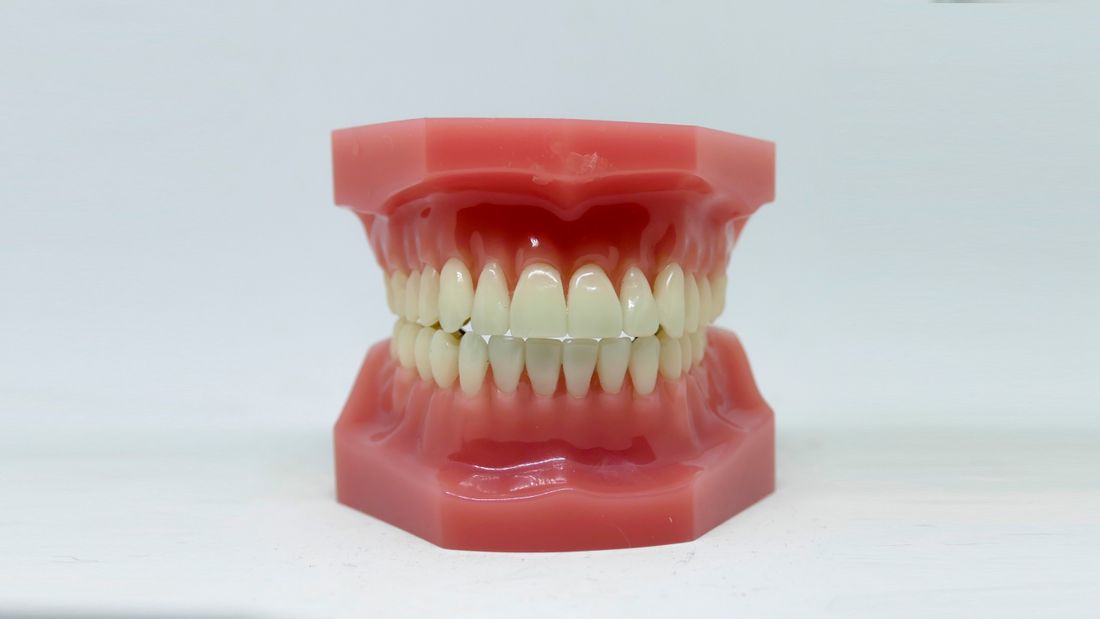
Tooth 2 is your upper right second molar. Learn where it sits, its FDI and Palmer numbers, common problems, and when a crown or root canal is worth a second opinion.
Reviewed by the toothcheck Dental Team Independent dentist providing online second opinions.
If your dentist or an insurance estimate mentions "tooth 2" or "tooth #2", they are talking about one specific tooth: your upper right second molar. It is one of the large grinding teeth at the back of the top jaw on the right side of your mouth, and because of where it sits, it is one of the teeth that most often needs fillings, crowns, and sometimes root canal treatment.
Knowing which tooth is being discussed makes it much easier to follow a treatment plan and to ask good questions. This guide explains where tooth 2 is, how it is numbered in the different systems, what it does, what commonly goes wrong with it, and when it makes sense to get a second opinion before agreeing to treatment.
Quick Answer
Tooth 2 is the upper right second molar in the Universal Numbering System. It sits second from the back on the upper right, behind tooth 3 (the first molar) and in front of tooth 1 (the wisdom tooth). Its FDI number is 17 and its Palmer notation is upper right 7. It is a grinding tooth with multiple roots, and it is prone to decay and cracks because it is hard to clean.
Where Tooth 2 Is Located
The Universal system numbers adult teeth from 1 to 32, starting at the upper right wisdom tooth, moving across the top to the upper left wisdom tooth (tooth 16), then dropping to the lower left wisdom tooth (tooth 17) and moving across the bottom to the lower right wisdom tooth (tooth 32).
Tooth 2 is the second tooth in that sequence. Counting from the center of your upper teeth on the right side, you pass the central incisor, lateral incisor, canine, two premolars, and the first molar before reaching tooth 2. Behind it is tooth 1, the upper right wisdom tooth, if you still have one. Many people have had their wisdom teeth removed, in which case tooth 2 is the last tooth in that quadrant.
If you want a broader walkthrough of the chart, see our guide to dental tooth numbering explained.
Tooth 2 in Every Numbering System
Different countries and dental software use different systems, which is why the same tooth can have several names on paperwork. Here is how tooth 2 translates.
| System | Name for this tooth |
|---|---|
| Universal (US) | Tooth 2 |
| FDI (international) | Tooth 17 |
| Palmer | Upper right 7 |
| Plain English | Upper right second molar |
One common source of confusion: in the Universal system, "tooth 17" is the lower left wisdom tooth, but in FDI notation "17" is this upper right second molar. If you see a number on a document from a clinic abroad, check which system it uses before assuming which tooth it means.
What a Second Molar Does
Molars are your main chewing teeth. Tooth 2 has a broad crown with several cusps (raised points) separated by grooves, and the upper molars typically have three roots anchoring them in the jawbone: two on the cheek side and one on the tongue side. That structure lets it crush and grind food with considerable force.
Because the upper second molar sits so far back, it also helps share the bite load with the first molar in front of it. Losing or weakening it can shift chewing forces onto neighboring teeth, and the tooth below it may slowly drift upward into the gap if it is removed and not replaced.
Common Problems With Tooth 2
The same features that make molars good at grinding also make them vulnerable.
Decay in the grooves and between teeth. The deep pits and fissures on the chewing surface trap food and bacteria, and the back position makes thorough brushing and flossing harder. Cavities can also start on the side of the tooth where it touches the first molar, where they are often only visible on an X-ray. Our guide on what a cavity looks like on an X-ray shows how these lesions appear.
Large or failing fillings. Upper molars often accumulate big fillings over the years. As a filling gets larger, the remaining tooth walls become thinner and more likely to crack.
Cracks and fractures. Heavy chewing and grinding can crack a molar, sometimes without obvious symptoms until you bite down on something and feel a sharp pain that disappears when you release.
Nerve infection or inflammation. When decay or a crack reaches the nerve, the tooth may ache, react strongly to hot and cold, or develop an abscess. This is when a root canal may be discussed. The upper molars have complex root anatomy, so these treatments can be technically demanding.
Gum disease. Because upper molars have multiple roots, bone loss around them can create areas that are hard to keep clean.
Proximity to the sinus. The roots of upper molars often sit close to the maxillary sinus, which is why a toothache in this area can sometimes feel like sinus pressure and vice versa.
Fillings, Crowns, and Root Canals on Tooth 2
When tooth 2 has a problem, dentists generally choose among a few treatments.
A filling is used when decay or damage is limited and enough healthy tooth structure remains. A crown is a cap that covers the whole tooth, usually recommended when a large portion of the tooth is missing, cracked, or heavily filled. A root canal removes infected or inflamed nerve tissue from inside the tooth, and a molar that has had one is usually then restored with a crown to protect it.
These are legitimate treatments, and many people genuinely need them. But they are also expensive, and the right choice depends on details visible on your X-ray and in your exam. Our article on when you need a crown instead of a filling explains the usual decision points.
It is also worth knowing that not every flagged cavity needs to be drilled immediately. According to guidance from organizations such as the American Dental Association (https://www.ada.org/), very early enamel lesions can sometimes be monitored and managed with fluoride and improved home care rather than restored right away, while lesions that have progressed into the dentin generally call for treatment. Your dentist should be able to explain which situation applies to your tooth and why.
When a Second Opinion on Tooth 2 Makes Sense
A second opinion is not about doubting your dentist. It is about confirming that a significant, costly, or irreversible procedure is the right call. It is particularly worth considering when:
- You have been told tooth 2 needs a crown, and you are not sure why a filling would not be enough.
- A root canal has been recommended but you do not have severe pain, swelling, or an obvious infection.
- The treatment plan lists several procedures at once and you cannot tell which are urgent.
- You were told to extract the tooth, and you would like to know whether saving it is realistic.
- The quote is much higher than you expected.
A second dentist can review your X-rays, compare them with what the plan says, and tell you whether the proposed work on tooth 2 looks necessary, whether alternatives exist, and whether it is safe to wait. For help reading your own images, see reading dental X-rays: what you can see.
FAQ
What is tooth 2 in dentistry? It is the upper right second molar in the Universal Numbering System, in front of the wisdom tooth (tooth 1) and behind the first molar (tooth 3).
Is tooth 2 a molar? Yes. It is a molar, built for grinding food, and it usually has three roots.
What is tooth 2 called in other numbering systems? It is tooth 17 in the FDI system and upper right 7 in Palmer notation.
Does every cavity on tooth 2 need a filling right away? Not always. Very early lesions can sometimes be watched and treated with fluoride, while deeper cavities generally need treatment.
Can I get a second opinion on a crown or root canal planned for tooth 2? Yes. A licensed dentist can review your X-rays and plan online in about 72 hours for 59 dollars.
Final Thoughts
Tooth 2 does a lot of hard work at the back of your upper jaw, and it is a common site for large fillings, crowns, and root canals. Understanding which tooth is involved, and what the proposed treatment is meant to accomplish, puts you in a better position to make a confident decision.
If your dentist has recommended a crown, root canal, or extraction on tooth 2 and you want an independent view, toothcheck.io offers an online dental second opinion from a licensed dentist. Upload your X-rays and treatment plan, and you will get a plain-English review of whether the recommended work looks necessary, usually within about 72 hours, for 59 dollars. This article is general information and does not replace an exam by your own dentist.
Last medically reviewed: October 2026