Can This Tooth Be Saved? Conservative Alternatives to Extraction
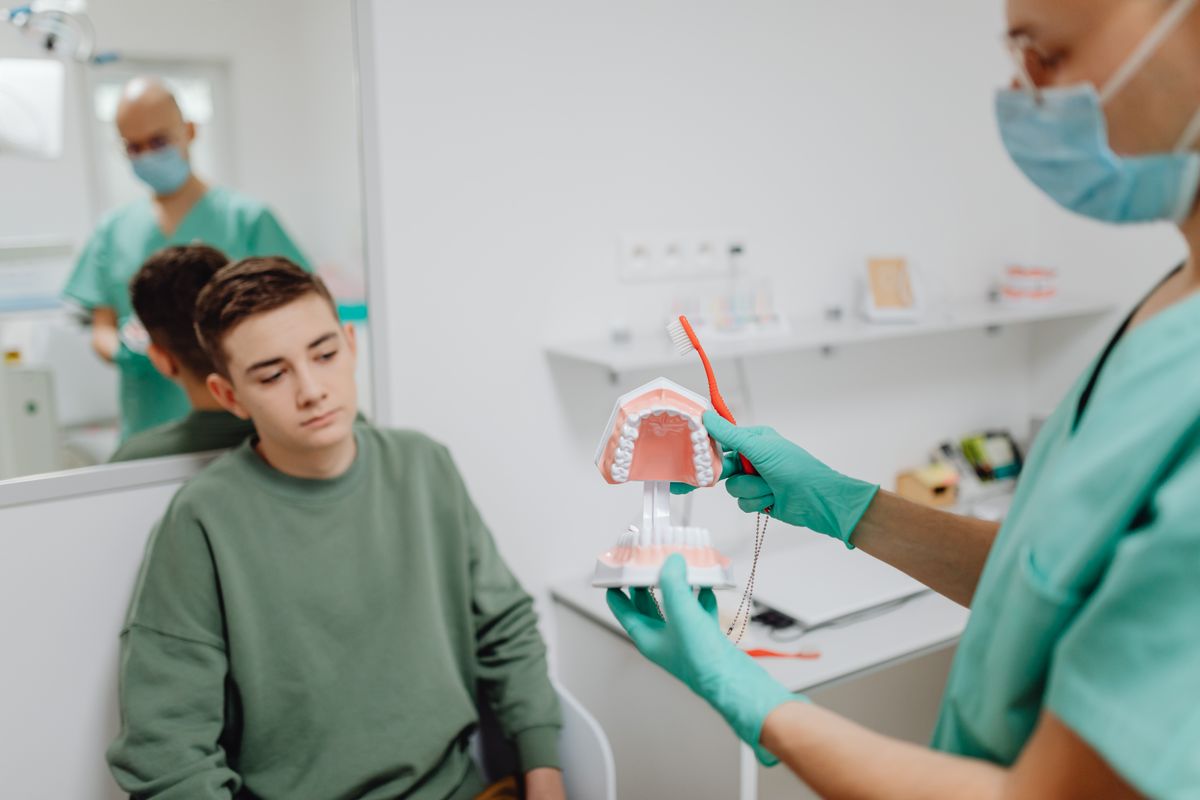
Told you need an extraction? Learn the alternatives to tooth extraction, when a tooth can be saved, and when pulling it really is the right call.
Reviewed by the toothcheck Dental Team Independent dentist providing online second opinions.
Hearing "that tooth needs to come out" is stressful, and it often comes with pressure to decide quickly. Extraction is permanent. Once a natural tooth is gone, replacing it with an implant, bridge or partial denture usually costs more, takes longer and involves more procedures than the original problem might have.
The good news is that extraction is not always the only option. Sometimes it truly is the right call, and sometimes the tooth could be saved with a more conservative approach. This guide walks through the alternatives by situation so you can ask better questions, and it explains when pulling a tooth really is the best choice.
Quick Answer
The alternatives to tooth extraction depend on why the tooth is in trouble. Deep decay or infection can often be treated with a root canal and crown. A large cavity or crack may be handled with a deep filling or onlay. Loose teeth from gum disease may be stabilized with periodontal treatment and splinting. A tooth broken near the gum line may be saved with crown lengthening. But some teeth genuinely cannot be saved, and urgent infection needs prompt care. If the extraction is not urgent, verifying it first is a sensible step.
Why Extraction Gets Recommended
A dentist may recommend extraction for good reasons: the tooth cannot be restored, the infection is serious, or keeping it would put neighboring teeth or your health at risk. Other times the recommendation reflects a practice style or a preference for a simpler, faster procedure rather than the only clinical option.
Dentists can reasonably disagree about borderline teeth. One may see a tooth with limited remaining structure as hopeless; another may see a restorable tooth with a good long-term outlook. This is why the question "what are all my options for keeping this tooth?" matters. For more on how conservative practices think about this, see what a conservative dentist is and what minimally invasive dentistry means.
Conservative Alternatives, by Situation
Deep decay or infection in the nerve: root canal and crown
When decay reaches the pulp (the nerve), the tooth can become infected and painful. Many people hear "extract it" at this stage, but a root canal removes the infected tissue, disinfects the inside of the tooth and seals it. A crown is typically placed afterward to protect the tooth from fracture. If enough solid tooth structure remains above the bone, this is often a way to keep your own tooth for many years.
We cover this decision in detail in root canal vs extraction: which is better and do I really need a root canal.
Large cavity or cracked cusp: deep filling or onlay
Not every damaged tooth needs a full crown or removal. A well-done deep filling, or an onlay that covers only the weakened part of the tooth, can preserve more natural structure than a full crown. If you were told a tooth is "too far gone" for a filling, ask whether an onlay or other partial coverage was considered. See also crown vs filling: when you need a crown.
Loose teeth from gum disease: periodontal treatment and splinting
Teeth loosen when the bone and gum tissue supporting them are lost. In early to moderate cases, deep cleaning (scaling and root planing), better home care, antibiotics where appropriate and ongoing maintenance can stabilize the supporting tissue. Mildly mobile teeth are sometimes joined to neighboring teeth with a splint to improve stability and comfort. Advanced bone loss with significant mobility is a different story, and extraction may be appropriate. A periodontist can tell you where your tooth falls.
Tooth broken at or below the gum line: crown lengthening
When a tooth breaks off near the gum, there may not be enough tooth showing for a crown to grip. Crown lengthening reshapes the gum and sometimes a small amount of bone to expose more healthy tooth, making restoration possible. It works when the break is only slightly below the gum. A crack that runs deep below the bone usually cannot be fixed this way.
Non-urgent or uncertain problems: monitoring
A tooth with a small area of concern, a borderline X-ray finding, or mild symptoms does not always need immediate treatment. Watching the tooth with repeat X-rays and checkups is a legitimate option when there is no infection, swelling or worsening pain. Being asked to "wait and see" can be reasonable, as long as there is a clear plan for what would change the decision.
When Extraction Really Is the Right Call
Saving every tooth at any cost is not the goal. A tooth that cannot be restored predictably, or that threatens your health, is best removed. The table below shows how the two situations typically differ.
| Situation | Extraction is more likely right | The tooth may be saveable |
|---|---|---|
| Decay | Extends far below the bone, leaving too little structure for a crown | Reaches the nerve but healthy tooth remains above the bone |
| Fracture | Vertical crack that runs below the bone | Break near the gum line or a cracked cusp |
| Gum disease | Advanced bone loss with significant looseness | Early or moderate bone loss that responds to treatment |
| Infection | Severe, spreading, or not controllable by other treatment | Localized infection treatable with a root canal |
| Orthodontic need | Removal needed to create space as part of a planned treatment | No planned orthodontic requirement |
Urgent situations deserve prompt attention. Facial swelling, fever, trouble swallowing or opening your mouth, and injuries from trauma need to be seen right away. Do not delay care for an emergency while you collect second opinions.
How to Verify a Non-Urgent Extraction
If the problem is not an emergency, you have time to be sure. A few practical steps help:
1. Ask for the reason in plain language. What exactly makes this tooth unsaveable, and what would be needed to keep it? 2. Ask what the alternatives are. Was a root canal, onlay, periodontal treatment or crown lengthening considered? Why were they ruled out? 3. Ask about the long-term plan. What replaces the tooth, what does it cost, and how many visits will it take? 4. Request your X-rays. You are entitled to copies, and they are what any independent reviewer needs. See our dental X-ray review page. 5. Get an independent look before an irreversible step. Our guide to a tooth extraction second opinion explains what to ask, and our second opinion guide covers the process in general.
If you are unsure whether the recommendation fits, our list of unnecessary dental work red flags and our article on how to find a dentist you can trust may help. You can also read our manifesto for how we think about this.
Two Ways to Get a Second Opinion on Your Tooth
If we have a network dentist near you, you can request a free second opinion from a vetted, conservative dentist in our network. You request it through toothcheck and we follow up within 72 hours. The network is live in a few select US metros and is still growing, so we will tell you honestly if we do not have a match near you yet. Network dentists are committed in writing to the least-invasive option and to saving natural teeth where possible; see how we vet dentists for our network.
If you would rather have a fast, independent review from anywhere, our online second opinion gives you a licensed dentist's written report on your X-rays and treatment plan for a flat 59 dollars.
For general information on tooth problems and treatment options, the American Dental Association and the National Institute of Dental and Craniofacial Research are good public resources.
FAQ
What are the main alternatives to tooth extraction?
Depending on the problem, alternatives can include a root canal followed by a crown, a deep filling or onlay, gum treatment with or without splinting for loose teeth, crown lengthening for teeth broken near the gum line, or monitoring a non-urgent issue. The right choice depends on how much healthy tooth structure and bone support remains.
How do I know if my tooth really needs to come out?
Extraction is usually appropriate for teeth that cannot be restored: a fracture below the bone, decay that leaves too little structure, advanced gum disease with significant mobility, or serious infection that cannot be controlled. An exam and X-rays answer this, and a second review of a non-urgent extraction is reasonable.
Is it safe to wait before extracting a tooth?
It depends. Swelling, fever, spreading infection, difficulty swallowing or trauma need prompt care. A stable tooth without swelling or escalating pain can often wait a few days while you verify the plan. Ask your dentist whether yours is urgent.
Is a root canal always better than extraction?
No. A root canal and crown is often a good way to keep a restorable tooth, but a tooth cracked below the bone or with too little structure left may be better removed. The specific tooth decides.
What is the difference between the free network second opinion and the 59-dollar report?
If we have a network dentist near you, you can request a free second opinion from a vetted, conservative dentist in our network, and we follow up within 72 hours. The network is live in only a few select US metros and is still growing. The online second opinion is a separate option available from anywhere: a licensed dentist reviews your X-rays and treatment plan and returns a written report for a flat 59 dollars.
Can I get a second opinion if I already have an extraction appointment?
Yes. For a non-urgent extraction, getting an independent review before the appointment is common and reasonable.
Final Thought
Some teeth must come out, and a good dentist will tell you so plainly. But an extraction recommendation is also worth understanding, especially when the situation is not urgent and the decision cannot be undone. Knowing the alternatives lets you ask better questions and decide with confidence.
If you have been told a tooth needs to go, request a free second opinion from a conservative dentist in our network if we have one near you, or get a written review from anywhere with our online second opinion for 59 dollars.
Last medically reviewed: October 2026