Tooth 18: Your Lower Left Second Molar
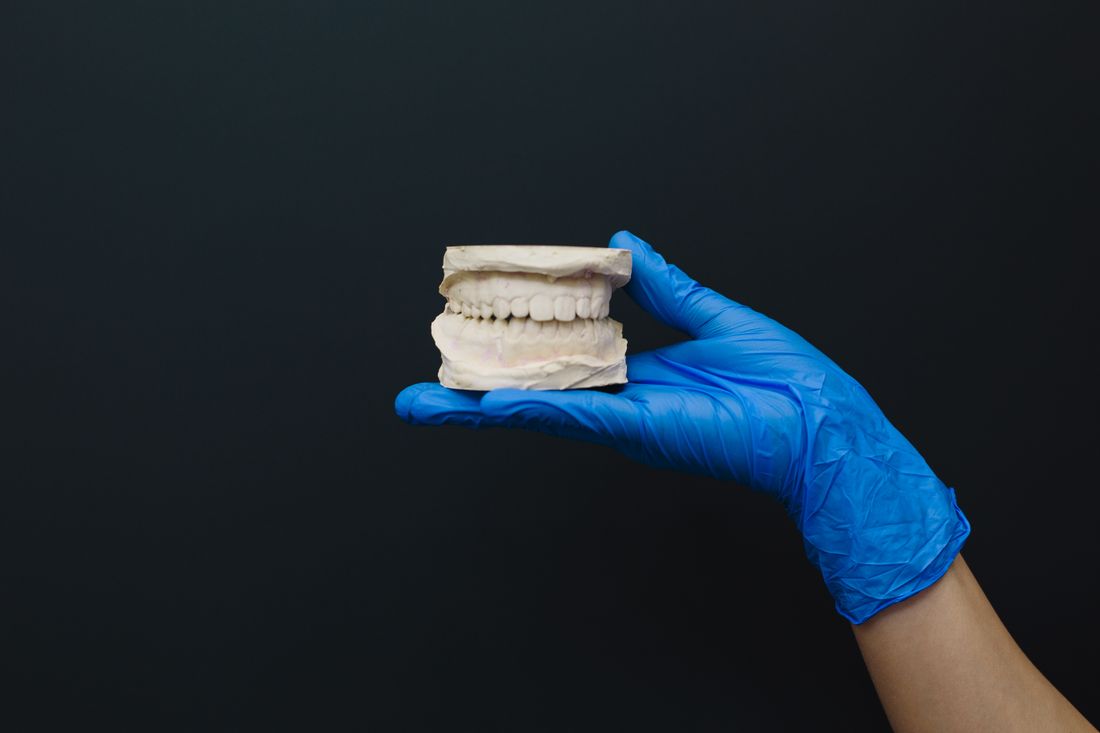
Tooth 18 is your lower left second molar (FDI 37). Learn where it sits, what it does, common problems, and how to check a crown or root canal plan.
Reviewed by the toothcheck Dental Team Independent dentist providing online second opinions.
If your dentist or a treatment plan mentioned "tooth 18", they are talking about a specific tooth: your lower left second molar. It is one of the hardest-working teeth in your mouth, and because it sits so far back, it is also one of the most commonly filled, crowned and root-canaled.
This guide explains where tooth 18 is, how it is numbered in the different systems, what it does, and what usually goes wrong with it. If you have been quoted a treatment on this tooth, it also covers how to sanity-check that plan.
Quick Answer
Tooth 18 is the lower left second molar in the US Universal numbering system. It is the second molar from the front on the lower left, just in front of the wisdom tooth (tooth 17) and just behind the first molar (tooth 19). In the FDI system it is tooth 37, and in Palmer notation it is lower left 7. It is a grinding tooth with a broad chewing surface and usually two roots.
Where tooth 18 sits in your mouth
Picture the lower jaw as a horseshoe. The Universal system numbers adult teeth from 1 to 32, starting at the upper right wisdom tooth, running across the top to the upper left (tooth 16), dropping to the lower left wisdom tooth (tooth 17), and then running along the bottom to the lower right wisdom tooth (tooth 32).
That puts tooth 18 right at the start of the lower arch on the left side, second in from the back. Its neighbors are:
- Tooth 17 behind it: the lower left wisdom tooth. If your wisdom teeth are still present, it sits right at the back. If it has been removed, tooth 18 is the last tooth in that row. See tooth 17, the lower left wisdom tooth.
- Tooth 19 in front of it: the lower left first molar, usually the first adult molar to come in. See tooth 19, the lower left first molar.
Directly above tooth 18 in the upper jaw is tooth 15, the upper left second molar. The two meet when you bite down.
Left and right here are from the patient's point of view, not the dentist's. That is a common source of confusion when you read a chart.
Tooth 18 in each numbering system
Dentists around the world use different systems, so the same tooth can appear under different names on a chart, an X-ray report or an insurance form.
| System | How tooth 18 is written |
|---|---|
| US Universal | 18 |
| FDI (international, two-digit) | 37 |
| Palmer notation | Lower left 7 |
| Plain English | Lower left second molar |
If you want to decode a whole chart, our guide to dental tooth numbering explained walks through all three systems.
What a lower second molar does
Molars are the grinding teeth. Tooth 18 has a wide chewing surface with several cusps (the raised points) and deep grooves between them. When you chew, food is pressed between tooth 18 and the upper molar above it and crushed into smaller pieces.
Some features worth knowing:
- Lower molars usually have two roots, one toward the front and one toward the back. Each root contains one or more narrow canals holding the tooth's nerve and blood supply.
- The roots of lower molars sit close to the inferior alveolar nerve, which runs through the lower jaw and supplies feeling to the lower lip and chin. This matters mainly for surgery or extraction near the back of the jaw.
- Chewing forces are highest at the back of the mouth, so molars carry much more load than the teeth at the front.
When a tooth like this is lost and not replaced, the opposing tooth can drift and the bite can gradually change, which is one reason dentists try to save a molar when it is reasonable to do so.
Common problems with tooth 18
The deep grooves and far-back position make tooth 18 a frequent trouble spot.
Cavities. The grooves on the chewing surface trap food and plaque, and the back of the tooth is hard to reach with a toothbrush. Decay can also start on the side surface between tooth 18 and its neighbors, where it often only shows on an X-ray. Our guide on what a cavity looks like on an X-ray shows how that works.
Large fillings that fail. Molars often get filled more than once. Over time a big filling can leak at the edges or leave the remaining tooth walls thin and weak.
Cracks. Chewing force plus a large filling can lead to a cracked cusp or a deeper crack. Typical signs are sharp pain on biting or release, or sensitivity to cold. Cracks can be hard to see on an X-ray, so diagnosis often relies on your symptoms and a clinical exam.
Infection of the nerve. Deep decay or a deep crack can reach the pulp, causing lingering pain, pain with heat, swelling, or a pimple-like bump on the gum. This is when a root canal may be recommended.
Gum and bone problems. Gum disease can cause bone loss around molar roots, and lower molars can develop a furcation problem, which is bone loss in the area between the two roots.
Wisdom tooth effects. If tooth 17 is impacted or partly erupted, it can press on tooth 18 or trap food and decay against its back surface.
Crowns and root canals on tooth 18
Because tooth 18 often has big fillings and takes heavy forces, a crown is a common recommendation. A crown covers the whole tooth to protect what remains. A root canal removes infected or inflamed nerve tissue from inside the tooth and is usually followed by a crown.
Both treatments are legitimate and often the right call. They are also common and expensive enough that it is worth confirming the plan fits the evidence. A few questions can help:
- What exactly is the diagnosis: decay, a crack, a failing filling, or an infection?
- Which findings are visible on the X-ray and which are based on symptoms or the exam?
- Is there a less extensive option, such as a new filling, an onlay, or monitoring?
- If a root canal is proposed, is there a visible sign of infection or nerve damage, or is it precautionary?
- What happens if you wait, and how urgent is it?
Our article on whether you really need a root canal walks through real examples of when it is and is not necessary.
How to look after tooth 18
The American Dental Association (https://www.ada.org/) recommends brushing twice a day with fluoride toothpaste and cleaning between teeth daily. For tooth 18 specifically:
- Angle the brush toward the very back surface, especially if tooth 17 is gone and there is space behind it.
- Floss or use interdental brushes between tooth 18 and tooth 19, where decay often hides.
- Ask about sealants or a review of old fillings if you have deep grooves or an aging restoration.
- Do not ignore pain on biting, lingering sensitivity to hot or cold, or swelling. These are reasons to be seen sooner rather than later.
FAQ
Where is tooth 18? It is the lower left second molar, behind tooth 19 and in front of the wisdom tooth, tooth 17.
Is tooth 18 a molar? Yes, it is a second molar with a broad grinding surface and usually two roots.
What is tooth 18 in FDI and Palmer? FDI 37 and Palmer lower left 7.
Why does tooth 18 often need a crown or root canal? Heavy chewing force, deep grooves and a hard-to-brush position lead to decay, big fillings and cracks.
Should I get a second opinion before treatment on tooth 18? It is a sensible step for a crown or root canal, especially if the cost is high or the reason is unclear.
Final Thoughts
Tooth 18 is a workhorse. It is also a common site for fillings, cracks, crowns and root canals, which means a proposed treatment here is very common, and usually reasonable, but worth understanding before you agree to it.
If you have been quoted a crown, root canal or extraction on tooth 18 and want a second pair of eyes, toothcheck offers an online dental second opinion. A licensed dentist reviews your X-rays and treatment plan and sends you a plain-English report, typically within about 72 hours, for 59 dollars. You can also learn more about how we read films on our dental X-ray review page.
Last medically reviewed: November 2026