When Do Baby Teeth Fall Out? Age-by-Tooth Chart
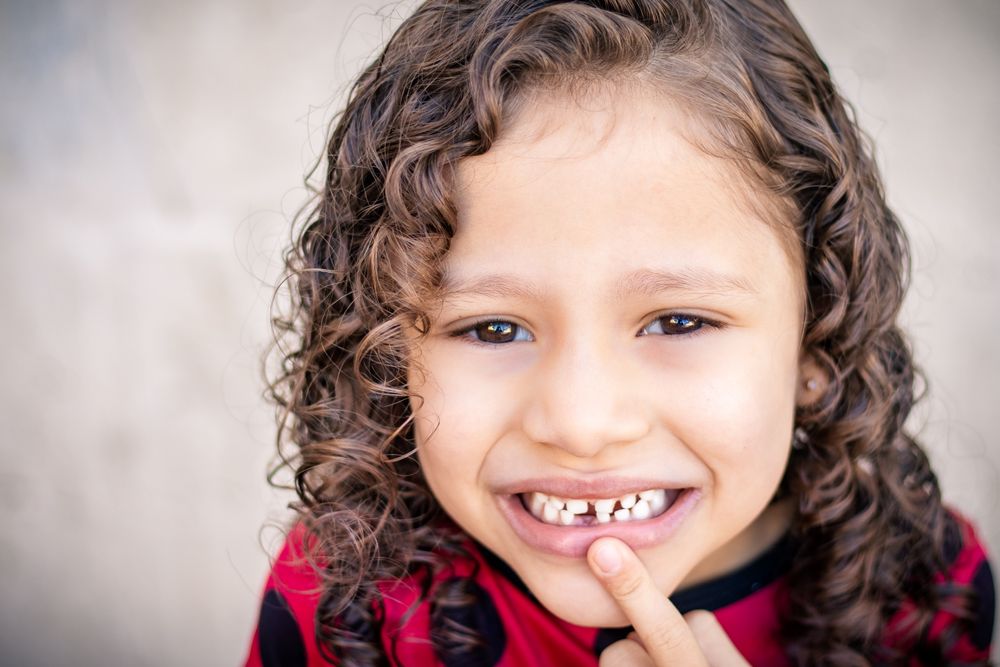
A clear age-by-tooth chart of when baby teeth fall out, from the front incisors around age 6 to the back molars by age 12, plus what is normal.
Reviewed by the toothcheck Dental Team Independent dentist providing online second opinions.
That first wobbly tooth is a milestone parents remember. But once it starts, the questions pile up fast: which tooth goes next, is my child on schedule, and what does it mean if one falls out early or hangs on far too long? This guide is focused on the losing side of the story, with a clear age-by-tooth chart so you know what to expect.
Quick Answer
Children usually lose their first baby tooth around age 6 and finish shedding all 20 baby teeth by about age 12. The teeth fall out in roughly the same order they came in, starting with the front teeth and working back. A year earlier or later is completely normal. If a tooth is lost very early to decay or injury, or if no teeth have fallen out by around age 8, it is worth a quick dental check. And if you are ever handed a treatment plan for your child and want a calm, independent read on it, toothcheck offers a written second opinion from a licensed dentist for a flat $59, usually within 72 hours.
Baby Teeth Loss Chart by Age
Here is when each type of baby tooth typically falls out. Use it as a friendly reference rather than a stopwatch.
| Baby tooth | Typical age it falls out |
|---|---|
| Lower central incisors | 6 to 7 years |
| Upper central incisors | 6 to 7 years |
| Upper lateral incisors | 7 to 8 years |
| Lower lateral incisors | 7 to 8 years |
| First molars (upper and lower) | 9 to 11 years |
| Canines, or cuspids | 9 to 12 years |
| Second molars (upper and lower) | 10 to 12 years |
In total, around 20 baby teeth are lost between roughly age 6 and age 12. The changeover spreads out over those six years, so expect a busy patch of loose teeth in the early years, a quiet stretch in the middle, and a final round of molars near the end. If you also want to track which teeth arrived when, our baby teeth chart and eruption timeline covers the coming-in side in detail.
The Order Teeth Fall Out: First In, First Out
Baby teeth tend to leave in the same order they arrived, front to back. A handy way to remember it is first in, first out. The two bottom front teeth (the lower central incisors) usually loosen first, often closely followed by the two top front teeth. Next come the lateral incisors on either side of the front teeth. After a pause of a year or two, the first molars and the pointed canines give way, and the second molars at the very back are the last to go, usually around age 11 or 12.
This order is more reliable than the exact ages. If the pattern looks roughly right even when the timing runs early or late, that is reassuring. Teeth arriving or leaving badly out of order is more worth mentioning than a tooth that is simply a few months off the average.
Why Baby Teeth Loosen and Fall Out
A baby tooth does not just drop out at random. Underneath it, the permanent tooth has been forming and slowly moving upward. As it pushes toward the surface, it triggers the body to dissolve the root of the baby tooth above it. Bit by bit that root disappears until only the crown is left, held in place by a thin bit of gum. That is why the tooth starts to wobble, and eventually a small wiggle or a bite into an apple is enough to free it. The permanent tooth is usually right there, ready to take its place.
Because the process is driven by the permanent tooth below, most loose teeth are a sign that everything is working exactly as it should.

What Counts as Normal Variation
Teeth run on their own schedule, and that schedule is wider than most charts suggest. A year either side of the ages above is well within the normal range. Timing often runs in families, so if you were an early or late loser of baby teeth, your child may follow suit. Girls also tend to lose their teeth a little earlier than boys, on average.
So try not to compare your child too closely to the kid next door. One first-grader may have a gap-toothed grin while a classmate still has a full set of baby teeth, and both can be perfectly healthy. Focus on the overall picture: teeth leaving roughly in order, healthy gums, and a comfortable child who is eating and speaking well.
Early or Late Loss Worth Mentioning to a Dentist
Most tooth loss sorts itself out with patience. A couple of situations, though, are worth a professional look.
A tooth lost very early
If a baby tooth comes out well before its time, usually because of decay or a knock to the mouth, the neighboring teeth can start to drift into the empty space. That can crowd the permanent tooth waiting underneath and lead to alignment problems later. In these cases a dentist may fit a small space maintainer, a simple device that holds the gap open until the adult tooth is ready. If your child loses a tooth early, it is worth asking whether one is needed. Our guide on a child tooth extraction second opinion can help if removal has been suggested and you want to weigh it up first.
No teeth lost by around age 8
At the other end, if your child has reached about age 8 without losing a single tooth, mention it at your next visit. It is often just a late start, but a dentist can confirm the permanent teeth are present and developing, sometimes with a single X-ray, and put your mind at ease. Late loss is far more often normal than a real problem.
Shark Teeth: A Permanent Tooth Behind a Baby Tooth
One of the most common surprises is what parents call shark teeth. This is when a permanent tooth erupts behind a baby tooth that has not yet fallen out, giving a brief double row, most often with the lower front teeth around age 6. It looks alarming, but it usually sorts itself out. The baby tooth typically loosens over the following weeks and comes out, and the tongue nudges the new tooth forward into place.
It is worth a dentist visit if the baby tooth is not wobbly after a few weeks, if it seems firmly stuck, or if the permanent tooth is sitting well forward or back of where it should be. In those cases a dentist may gently help the baby tooth along so the adult tooth can settle correctly.
Loose Teeth: Let Them Come Out Naturally
When a tooth gets wobbly, the best approach is usually to leave it be. Encourage your child to wiggle it gently with a clean finger or their tongue, which helps the last of the root dissolve and lets the tooth drop out on its own. Avoid yanking or tying string to it. Pulling a tooth that is not ready can hurt, cause bleeding, and occasionally leave a fragment of root behind that then needs attention.
A little blood when a tooth finally comes out is normal. A clean gauze or damp washcloth pressed on the spot for a few minutes settles it. If a loose tooth is genuinely painful, has been hanging on for a long time, or is stopping your child from eating, a dentist can advise. Our article on when to pull a loose baby tooth walks through the judgment calls in more detail.
If your child has facial swelling, a fever, or a tooth knocked loose or out by trauma, treat it as urgent and seek in-person care. A records-based review is not a substitute for hands-on treatment in those moments.
FAQ
At what age do baby teeth start to fall out?
Most children lose their first baby tooth around age 6, usually a lower front tooth. The whole set of 20 baby teeth is typically shed between about age 6 and age 12. A year either way is normal, and girls often lose teeth a little earlier than boys. If your child is a bit ahead of or behind a friend, that alone is rarely a concern.
In what order do baby teeth fall out?
Baby teeth generally fall out in roughly the same order they came in, front to back. The lower and upper central incisors go first around age 6 to 7, then the lateral incisors around 7 to 8, followed by the first molars and canines from about age 9, and finally the second molars by around age 12. This first-in, first-out pattern is a helpful rule of thumb.
My child is 8 and has not lost a tooth. Is that a problem?
Not necessarily, but it is worth mentioning to a dentist. Many perfectly healthy children simply run a little late. A dentist can confirm the permanent teeth are present and developing normally, sometimes with a single X-ray, and reassure you or flag anything that needs attention. Late loss is far more often normal variation than a sign of trouble.
What are shark teeth and should I worry?
Shark teeth happen when a permanent tooth erupts behind a baby tooth that has not fallen out yet, giving a brief double row. It is common, especially with the lower front teeth around age 6, and it usually resolves on its own once the baby tooth loosens and drops out. If the baby tooth is not wobbly after a few weeks, or the permanent tooth is well forward, ask your dentist.
Should I pull a loose baby tooth or let it fall out on its own?
It is best to let a loose tooth come out naturally. Encourage your child to gently wiggle it with a clean finger or tongue, which helps the root finish dissolving. Forcing a tooth that is not ready can hurt, cause bleeding, and leave root fragments behind. If a loose tooth is painful, stuck for a long time, or bothering your child, a dentist can advise.
Can a baby tooth be lost too early?
Yes. A baby tooth knocked out by injury or removed early because of decay, well before its natural time, can let neighboring teeth drift into the gap and crowd the permanent tooth underneath. In these cases a dentist may recommend a small space maintainer to hold the spot. If a baby tooth is lost early, it is worth a dental check to decide whether that is needed.
Final Advice
Losing baby teeth is one of childhood's happiest milestones, and for most families it unfolds smoothly between age 6 and age 12. Use the chart above as a guide, watch the order more than the exact dates, and let loose teeth come out in their own time. Keep an eye out for the few genuine flags, a tooth lost very early, no teeth gone by around age 8, or a shark tooth that will not budge, and raise those with a dentist. Both the American Academy of Pediatric Dentistry and the American Academy of Pediatrics recommend regular checkups through these years, and our guide to your child's first dentist visit explains what those visits involve. If a treatment plan for your child ever feels like a lot, you can ask an independent dentist for a calm online second opinion before you decide, or start at our children's dental second-opinion hub.
Last medically reviewed: September 2026