When Should a Loose Baby Tooth Come Out?
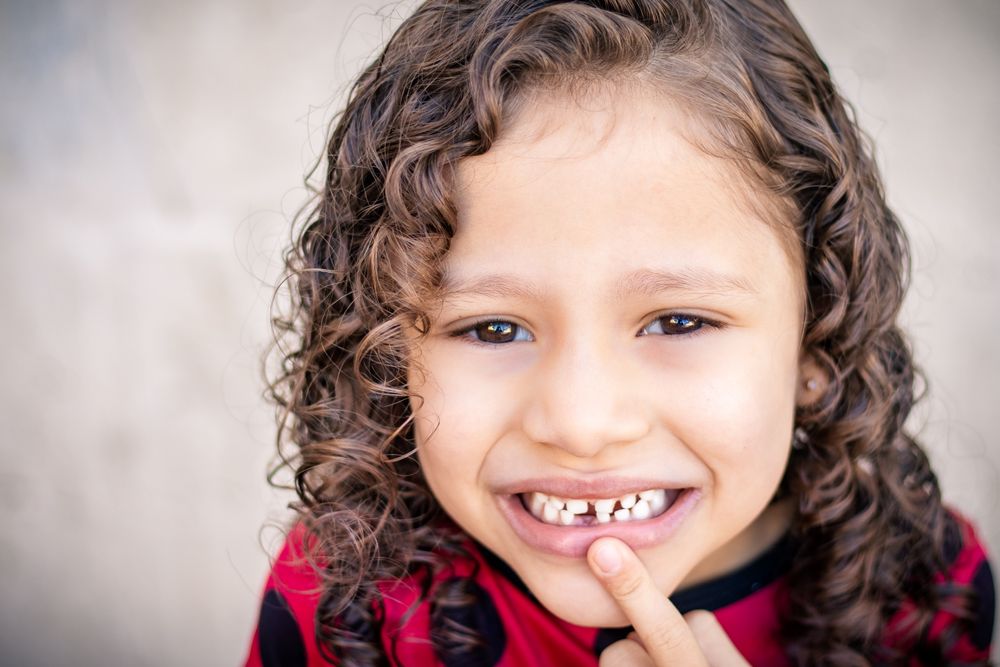
A calm parent guide to when a loose baby tooth should come out, how to help a wobbly tooth safely at home, and the signs it is time to call a dentist.
Reviewed by the toothcheck Dental Team Independent dentist providing online second opinions.
There is nothing quite like the wiggle. Your child comes running with a finger in their mouth, eyes wide, announcing that a tooth is loose. It is exciting and a little nerve-wracking all at once, and it usually brings the same questions: Should I help it come out? Should I leave it alone? And how do I know if something is wrong? This warm, practical guide walks you through all of it.
Quick Answer
Most baby teeth fall out on their own, right on schedule, as the permanent teeth push up from below. You can gently encourage a tooth that is already very loose and painless, but you should never force one that is not ready. Leave a tooth alone if it is only slightly loose, painful, bleeding a lot, or your child is anxious. Call a dentist for an over-retained tooth, a decayed or infected tooth, a tooth knocked loose by a fall, or one blocking the permanent tooth. If a dentist recommends pulling a baby tooth and it is not urgent, you can always verify with a written online second opinion for a flat $59, usually within 72 hours.
Baby Teeth Fall Out on Their Own Schedule
Here is the reassuring truth: for most children, loose baby teeth are a healthy, normal milestone that needs very little help from you. As the permanent teeth develop and rise up through the jaw, they slowly dissolve the roots of the baby teeth above them. With the roots gone, the baby tooth loosens and eventually drops out, leaving room for the adult tooth right behind it.
This changeover usually runs from about age 6 to age 12. The front teeth tend to go first, in roughly the same order they came in, followed by the molars in the later years. A wide age range is completely normal, so try not to compare your child to the kid next door. If you want the full timeline of when each tooth arrives and leaves, our baby teeth chart lays it all out.
The takeaway: a wobbly tooth is almost always your childs body doing exactly what it is supposed to do. Most of the time, your job is simply to be patient.
When It Is Fine to Help a Wobbly Tooth at Home
Once a tooth is genuinely ready, a little gentle encouragement is fine. You can tell it is ready when it:
- Wiggles freely in nearly every direction
- Hangs by just a thin thread of tissue
- Does not hurt when touched or nudged
- Bleeds little or not at all when moved
For a tooth like that, the safest approach is the simplest one. Let your child wiggle it with clean fingers or their tongue, keep them eating crunchy foods like apples, and let the tooth fall out naturally, often during a meal or while brushing. A tiny bit of bleeding afterward is normal. Have your child bite down on clean gauze or a damp washcloth for a few minutes, and the spot will settle quickly.
When to Leave a Loose Tooth Alone
Just as important is knowing when to keep your hands off. Do not try to remove a tooth if:
- It is only slightly loose or still feels firmly anchored
- Wiggling it causes real pain
- It bleeds heavily when moved
- Your child is scared or does not want you near it
Forcing a tooth before it is ready can hurt, cause bleeding, and occasionally snap the crown while leaving part of the root behind, which invites infection. And please skip the internet stunts. Tying a tooth to a doorknob with string, using pliers, or having a sibling pull it are not safe removal methods, no matter how the video makes it look. If a tooth is not ready to fall out easily on its own, that is your signal to wait or to let a dentist help.
When a Dentist Should Remove or Check a Tooth
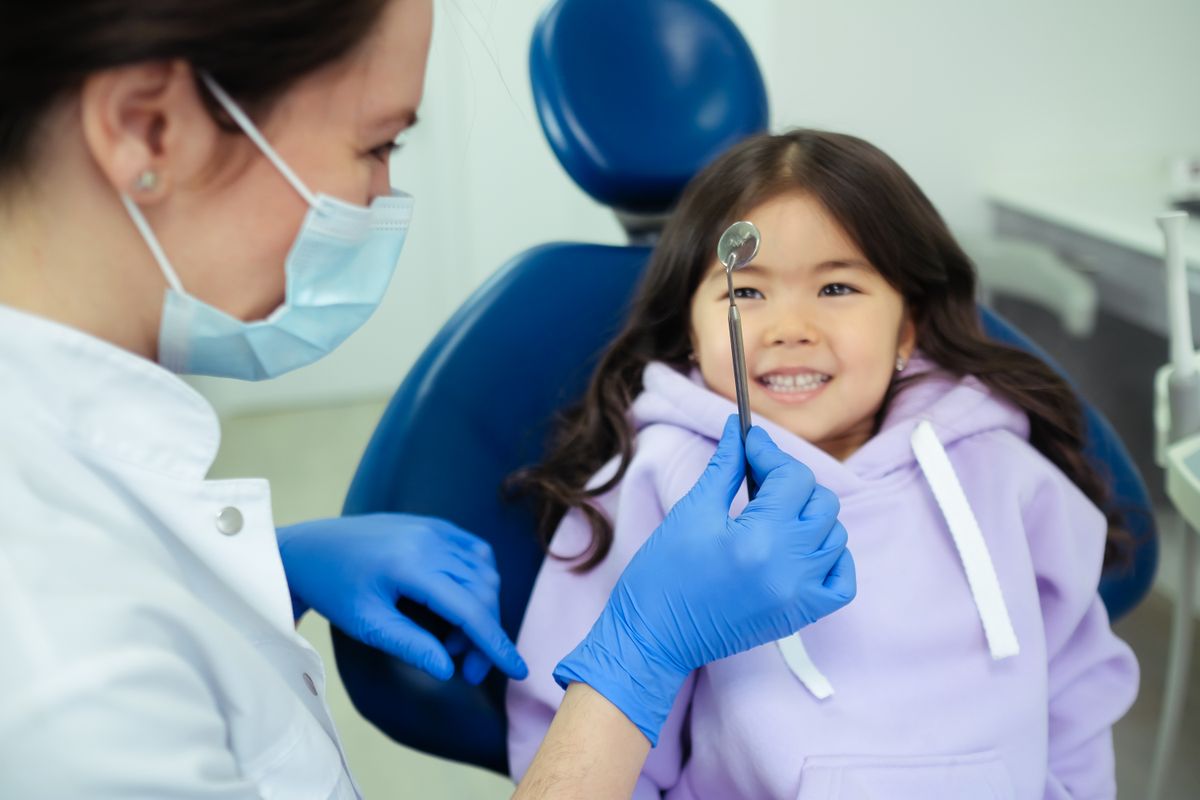
Sometimes a baby tooth needs professional attention rather than a home wiggle. Book a visit if you notice any of these situations.
An over-retained baby tooth
If a baby tooth stubbornly refuses to loosen well past its expected time, or the permanent tooth is clearly on its way in, a dentist may recommend removing the baby tooth so the adult tooth can come in straight. This is a judgment call, and a dentist can check with an X-ray whether the tooth is truly stuck.
Shark teeth, when the adult tooth comes in behind
Many parents are startled to see a permanent tooth erupting behind a baby tooth that has not fallen out, a look often nicknamed shark teeth. It is usually harmless and frequently sorts itself out within a few weeks as the baby tooth loosens. If the baby tooth stays firmly in place or the new tooth is pushing in badly out of line, have a dentist assess it.
A decayed, infected, or abscessed tooth
A tooth that is broken down by decay, discolored, or surrounded by a pimple-like bump on the gum may be infected. These should never be pulled at home. A dentist can treat the infection and remove the tooth safely if needed.
A tooth knocked loose by trauma
If a fall or a knock makes a tooth suddenly loose, have it checked promptly. A dentist can tell whether it will tighten back up on its own or needs to come out, and can make sure the permanent tooth underneath was not harmed.
A tooth blocking the permanent tooth
Occasionally a baby tooth sits in the path of the adult tooth and needs to be removed to clear the way. This is exactly the kind of planned extraction a dentist should handle.
For a deeper look at how these decisions are made, our pediatric dental second-opinion guide is a helpful companion, and the American Academy of Pediatric Dentistry has trustworthy parent resources too.
The Emergency Note
Most loose-tooth moments are happy ones, but a few need urgent care. Treat it as an emergency and seek in-person help right away if your child has facial swelling, a fever alongside a sore tooth, a tooth knocked out or badly loosened by trauma, bleeding that will not stop, or severe pain. Swelling with fever can point to a spreading infection that needs prompt treatment. An online records review is wonderful for second opinions and planning, but it cannot replace hands-on care in a genuine emergency.
What to Do If a Dentist Recommends Pulling a Tooth
If your dentist suggests removing a baby tooth and it is not an emergency, it is perfectly reasonable to take a breath before agreeing. Extractions in children are sometimes clearly necessary and sometimes a matter of timing and judgment, and a calm second look can bring real peace of mind.
That is where a written second opinion helps. An independent, licensed dentist can review your childs X-rays and treatment plan and tell you plainly whether the extraction is truly needed or whether watchful waiting is reasonable. Our guide to a child tooth extraction second opinion explains how the process works, and you can start any time through our childrens dental second-opinion service. If your child has not seen a dentist yet, our article on your childs first dentist visit is a gentle place to begin.
FAQ
How do I know when a loose baby tooth is ready to come out?
A baby tooth is usually ready when it wiggles freely in almost every direction, hangs by a thin bit of tissue, and barely bothers your child. At that point it often comes out on its own during eating or brushing. If the tooth still feels firmly anchored, is only slightly loose, or hurts when touched, it is not ready yet, and the best thing you can do is leave it alone and let nature finish the job.
Is it safe to pull my childs loose tooth at home?
It can be, but only if the tooth is very loose and painless. Have your child gently wiggle it with clean fingers or the tongue, and let it fall out naturally when it is ready. Never yank a tooth that resists, use string tied to a door, or force one that is only partly loose, since that can hurt, cause heavy bleeding, or leave a piece of root behind. When in doubt, leave it and let a dentist help.
What if the baby tooth will not come out but the adult tooth is already showing?
A permanent tooth erupting behind or in front of a baby tooth that has not loosened is common enough that parents nickname it shark teeth. It often resolves on its own as the baby tooth loosens over a few weeks. If the baby tooth stays put, seems stuck, or the new tooth is coming in clearly out of position, have a dentist take a look, since a slightly over-retained tooth is sometimes best removed to guide the adult tooth into place.
When should a dentist remove a childs tooth instead of us doing it at home?
Let a dentist handle it when a tooth is only partly loose, is painful, will not budge on its own, is decayed or infected, was knocked loose by a fall, or is blocking a permanent tooth from coming in. A dentist can numb the area, remove the tooth safely, and check that nothing is left behind. In-office removal is quick and far less stressful than a struggle at home.
When is a loose or damaged baby tooth an emergency?
Seek same-day or emergency care if your child has facial swelling, a fever, a tooth that was knocked loose or out by trauma, uncontrolled bleeding, or severe pain. Swelling with fever can signal an infection that needs prompt in-person treatment. A records-based online review is helpful for planning and second opinions, but it is not a substitute for hands-on care during a true dental emergency.
A dentist recommended pulling my childs baby tooth. Can I get a second opinion?
Yes. If the extraction is not urgent and you feel unsure, you can absolutely pause and verify. An independent dentist can review the X-rays and treatment plan and tell you in writing whether removal is truly needed or whether waiting is reasonable. toothcheck offers this written second opinion for a flat 59 dollars, usually within 72 hours, so you can decide with confidence.
Final Advice
A loose tooth is one of childhoods sweetest little milestones, and most of the time it needs nothing more than patience and a proud smile. Help a very loose, painless tooth along if your child wants you to, leave a stubborn or sore one alone, and watch for the handful of signs that call for a dentist. And if anyone ever recommends pulling a baby tooth and it does not feel urgent, remember you can slow down and verify. The American Academy of Pediatrics is a solid resource for parents, and a calm, independent second opinion is always within reach when you want reassurance before you decide.
Last medically reviewed: September 2026