Crown Pain After Placement: Normal vs a Problem
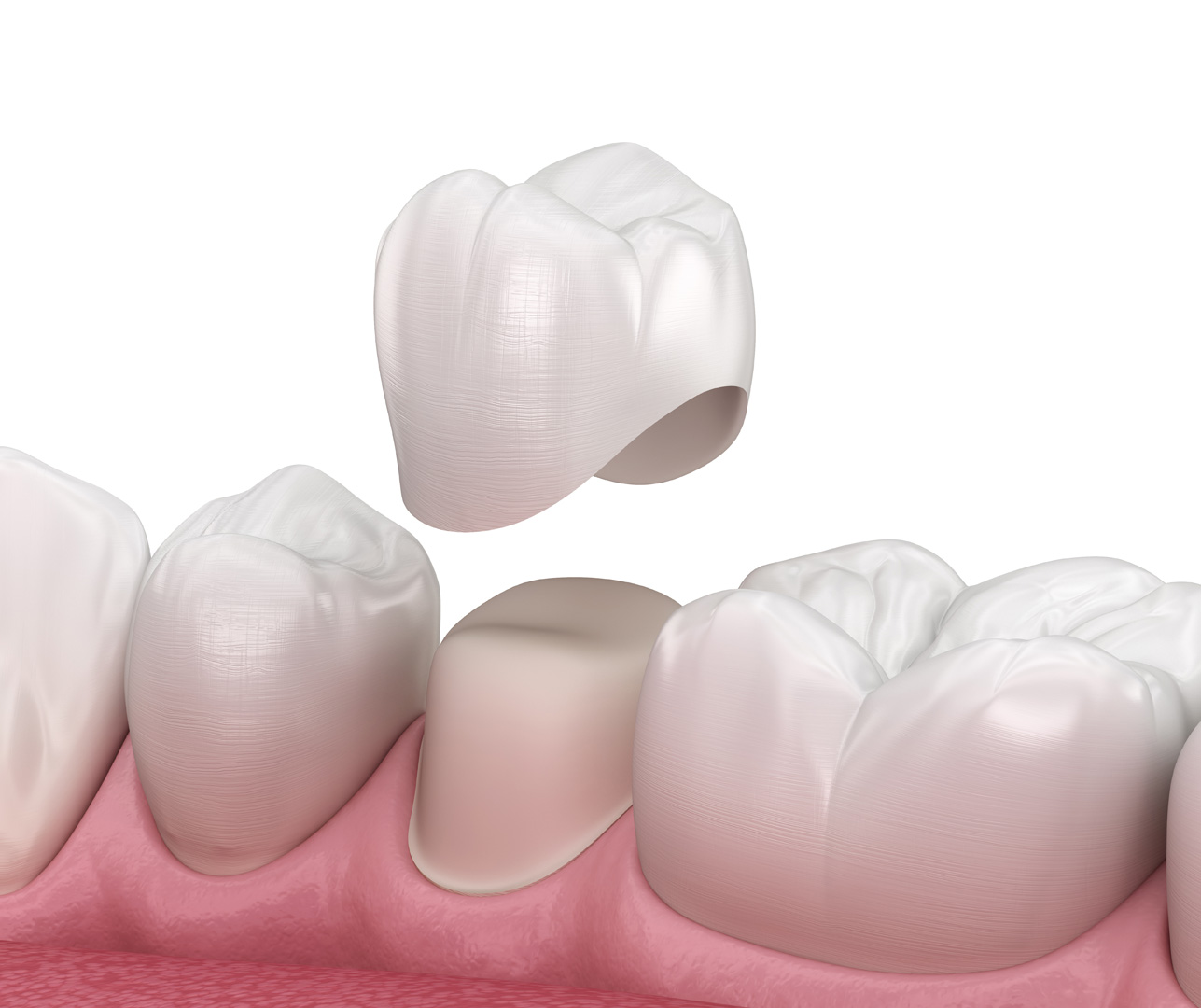
Crown pain after placement is common but not always normal. Learn what causes crown pain, how long it should last, when to call your dentist, and when to get a second opinion.
Reviewed by the toothcheck Dental Team Independent dentist providing online second opinions.
You just got a permanent dental crown placed, and now it hurts.
This is one of the most common complaints in restorative dentistry — and it can be confusing because the tooth was perfectly comfortable before the crown went on.
The reality is that some discomfort after crown placement is normal, but the line between "normal healing" and "something went wrong" is exactly where patients get conflicting advice. A review of crown outcomes published in the Journal of Dentistry found that postoperative sensitivity affects 15–30% of crown patients, though the vast majority resolve within 1–4 weeks with no intervention.
This guide explains exactly what causes crown pain, how long each type of pain should last, which symptoms are red flags, and when a second opinion might save you from a failed restoration.
If you want the background on whether you needed the crown in the first place, read Do I Really Need a Crown? first.
Quick Answer: Most Crown Pain Is Bite-Related or Temporary Sensitivity
Here is the quick guide:
| Type of Pain | Likely Cause | How Long It Lasts | Action Needed |
|---|---|---|---|
| Pain when biting down | Crown is too high (high bite) | Until adjusted | Call dentist — 30-second fix |
| Sharp pain when releasing bite | Cracked tooth syndrome | Until diagnosed | Needs evaluation |
| Cold sensitivity | Tooth was prepared recently | 1–4 weeks | Watch and wait |
| Constant dull ache | Gum inflammation or pulp irritation | 1–2 weeks | NSAIDs, soft foods |
| Pain that gets worse over time | Nerve damage or infection | Immediately | See dentist soon |
| Throbbing pain at night | Irreversible pulpitis or abscess | Immediately | Emergency dental visit |
Why Does a Crown Hurt After It Is Placed?
A dental crown does not "heal" the way a wound does — the pain usually comes from one of these sources:
1. High Bite (Most Common Cause)
The crown is slightly too tall, so when you bite, the tooth hits before all the other teeth make contact. This creates focused pressure on the tooth's ligament (periodontal ligament), which is rich in pain receptors.
Signs:
- Pain only when biting or chewing
- The crown feels "high" or "early" in your bite
- Pain is sharp and immediate on contact
- The tooth is comfortable at rest
Fix: A 30-second appointment for bite adjustment. The dentist marks the high spot and polishes it down. No drilling, no injections, no lab work needed. This is the single most commonly missed cause of crown pain.
If your dentist tells you "it will settle in" without checking your bite, push for an adjustment. Research in the Journal of Prosthetic Dentistry shows that bite-related crown pain does not typically resolve on its own — the tooth adapts by becoming sensitive or requiring root canal treatment if the high bite persists.
2. Temperature Sensitivity
It is normal for a crowned tooth to be sensitive to cold for 1–4 weeks after placement. The tooth was filed down (prepared), and the dentin layer is now closer to the surface. Even with a crown on top, the nerve can still be stimulated by temperature changes.
Signs:
- Quick, sharp pain when drinking cold water or breathing cold air
- Pain stops as soon as the stimulus is removed
- No spontaneous pain at rest
When to worry:
- Sensitivity that lasts longer than 4 weeks
- Pain that lingers for more than 10–15 seconds after the cold stimulus is removed
- Sensitivity that gets worse over time instead of better
3. Gum Soreness and Inflammation
The gum tissue around a newly crowned tooth is often irritated from:
- The retraction cord used during crown preparation
- The temporary crown rubbing against the gum
- Cement residue left below the gumline (a common problem)
- The permanent crown margin sitting slightly below the gum
Signs:
- Dull ache in the gum, not the tooth itself
- Bleeding when flossing around the crown
- Redness or tenderness of the gum near the crown margin
Fix: Good oral hygiene, warm saltwater rinses, and time. If the cement was not fully cleaned, a dentist can remove it in minutes.
4. Nerve Inflammation (Pulpitis)
If the tooth had a deep filling before the crown, or if the crown preparation was aggressive, the nerve can become inflamed. This is called pulpitis.
Mild pulpitis (reversible):
- Sensitivity to cold that lasts a few seconds
- Mild discomfort that resolves within 2–4 weeks
- No spontaneous pain
Severe pulpitis (irreversible):
- Spontaneous throbbing pain
- Pain that wakes you up at night
- Lingering cold sensitivity (20+ seconds)
- Pain that worsens over time
Irreversible pulpitis after a crown means the nerve is dying, and you will need a root canal through the crown. This is one reason crown sensitivity should be monitored closely.
5. Cracked Tooth Syndrome
If the tooth was cracked before the crown was placed, or if the preparation caused a crack to propagate, chewing pressure can open and close the crack, causing sharp pain.
Signs:
- Sharp pain when biting and releasing (especially on release)
- Pain is inconsistent — some bites hurt, others do not
- Hard to pinpoint which cusp is causing the pain
This is one of the hardest dental problems to diagnose. Not all cracks are visible on X-rays. If your crown hurts inconsistently and your dentist cannot find the cause, get an endodontic evaluation.
6. Failed Root Canal
If the crowned tooth previously had a root canal, pain after the crown may mean:
- A canal was missed
- The root canal leaked or failed
- A crack extends into the root
See Root Canal Retreatment: Understanding Your Options for more on this scenario.
How Long Should Crown Pain Last?
| Type of Discomfort | Normal Duration | When to Call |
|---|---|---|
| Sensitivity to cold | 1–4 weeks | 4+ weeks or worsening |
| Pain when biting | 1–3 days (if bite is correct) | Immediate — likely needs adjustment |
| Gum tenderness | 1–2 weeks | 2+ weeks or worsening |
| Dull ache at rest | 3–7 days | 1+ week or getting worse |
| Sharp pain when releasing bite | Not normal at all | Needs evaluation |
| Throbbing pain at night | Not normal | Emergency visit |
Common Scenarios and What They Mean
"My crown hurts when I bite down"
Most likely: High bite. Get it adjusted. This is the single most common — and most easily fixed — cause of crown pain.
Less likely: Cracked tooth, failed root canal, loose crown.
See also Tooth Hurts When Chewing — Causes Dentists Miss for a broader discussion of chewing pain.
"My crowned tooth is sensitive to cold"
Most likely: Normal post-operative sensitivity from tooth preparation. Should resolve in 1–4 weeks.
If it lingers: The nerve may be more irritated than expected. Monitor for 4 weeks; if unresolved, request a vitality test and X-ray.
"My crown hurts when I eat something sweet"
Most likely: The crown margin is not sealed properly, or there is a gap between the crown and the tooth. Bacteria and sugars are reaching the dentin.
Action: Have your dentist check the crown margins. Poorly sealed crowns need to be replaced, not adjusted.
"My crown hurts weeks or months later"
What changed? Late-onset crown pain often means something new is happening:
- Decay under the crown (recurrent caries)
- A crack that has extended
- The crown has loosened
- The nerve has become infected
Action: This needs a proper examination with X-rays. Do not let it go — a small problem under a crown can become a large problem requiring root canal or extraction.
"My crown fell off and now it hurts"
The tooth underneath is now exposed to air, food, and bacteria. Keep the crown and see your dentist as soon as possible. If the crown was well-fitting, it can often be re-cemented. See What to Do When a Crown Feels Loose for step-by-step instructions.
"My temporary crown hurts but the permanent one is fine"
This is the normal pattern. Temporary crowns are not as well sealed or shaped as permanent ones, so they tend to cause more sensitivity. If your permanent crown is comfortable, the temporary crown pain was not predictive.
"The dentist adjusted my bite but it still hurts"
If bite adjustment did not fix the pain, the cause is likely not the bite. Consider:
- An X-ray to check for cracks or missed canals
- A vitality test to check nerve health
- An endodontic evaluation
What Your Dentist Should Check for Crown Pain
A thorough evaluation for crown pain should include:
- Bite evaluation — Marking and adjusting the bite on the crown
- Percussion test — Tapping the crown to check for ligament inflammation or infection
- X-ray — To check the crown fit, margins, bone level, and for any pathology
- Cold test — Check the nerve vitality
- Perio probing — Check pocket depth around the crown margin
- Crown margin inspection — Check for gaps, overhangs, or cement residue
If your dentist skipped these steps and dismissed your pain, that is a red flag.
When You Should Get a Second Opinion for Crown Pain
Get a second opinion when:
- The pain continues for more than 4 weeks
- Your dentist said "it will settle" but it's not settling
- Bite adjustment was offered but did not help
- The pain is getting worse, not better
- You were told you need a root canal on a crowned tooth and you want to be sure
- The crown is less than 1 year old and you're having persistent problems
- Different dentists give different explanations
For a broader discussion of when to question treatment recommendations, see 12 Red Flags of Unnecessary Dental Work.
If You Need a Root Canal Through the Crown
If the nerve dies after crown placement, you will need a root canal — and in most cases, it can be done through the existing crown. The dentist drills a small access hole through the biting surface of the crown, performs the root canal, and seals the access hole with a filling.
This is called "endodontic access through the crown," and it saves you the cost and hassle of replacing the crown. Most crowns survive this process just fine, especially if they are ceramic or porcelain-fused-to-metal.
If you need a root canal through a crown, see Endodontist vs. General Dentist for Root Canals for choosing the right provider.
How to Prevent Crown Pain
- Make sure the temporary crown fits well — A good temporary reduces sensitivity under the permanent crown.
- Request bite adjustment at the cementation appointment — Do not leave the office without having your bite checked on the permanent crown.
- Keep the crowned tooth clean — Poor hygiene around a crown increases gum inflammation and the risk of recurrent decay.
- Get the permanent crown on time -- Prolonged temporary crown use increases the risk of fracture and sensitivity.
- Treat the underlying cause -- If the tooth had deep decay before the crown, the nerve was already compromised. Crown sensitivity in these cases is more common.
FAQ
How long does crown pain last? Mild sensitivity to cold: 1–4 weeks. Pain when biting: should resolve immediately after bite adjustment. Gum soreness: 1–2 weeks.
Is it normal for a crown to hurt when I bite down? No -- this usually means the crown is too high. A simple bite adjustment (30 seconds) fixes it.
Can a crown cause tooth pain months later? Yes -- late-onset pain may indicate recurrent decay, a crack, or a failing root canal. Get it checked.
Why is my crown sensitive to cold months after placement? This is not normal. Possible causes: the crown margin is not sealed, the nerve is dying, or decay has developed under the crown.
Does crown pain mean I need a root canal? Not necessarily. Most crown pain is from bite issues or temporary sensitivity. Only a small percentage of cases require root canal. However, pain that worsens over time -- especially spontaneous pain or night pain -- is a strong indicator.
Can I get a second opinion about crown pain without visiting another office? Yes. An online second opinion can review your X-rays and symptoms and tell you whether the pain pattern is normal or concerning. See online dental second opinion.
Why does my gum around the crown hurt? Likely causes: cement left below the gumline, the crown margin is too deep, or food is getting trapped. A dental cleaning can often resolve this.
Will crown pain go away on its own? Bite-related pain rarely resolves on its own. Temperature sensitivity and gum soreness often do, as long as the cause is mechanical irritation rather than infection. Always track whether the pain is getting better or worse.
Final Advice
Crown pain after placement is common, but that does not mean you should just live with it. The most common cause -- a high bite -- is the easiest and least expensive thing to fix. Push for a bite adjustment before accepting that "it will settle in."
If the pain persists after a bite adjustment, or if it changes character (becoming throbbing, spontaneous, or constant), don't ignore it. Early intervention can save the tooth and avoid a root canal or extraction.
If your dentist dismissed your crown pain and you want an independent review, upload your X-rays and symptoms to ToothCheck. Get a verified second opinion in under 72 hours.
Need clarity about your crown pain?
Upload your X-rays to ToothCheck and get a verified second opinion in under 72 hours.
Last medically reviewed: June 2026