Tooth 11: Your Upper Left Canine (Eye Tooth)
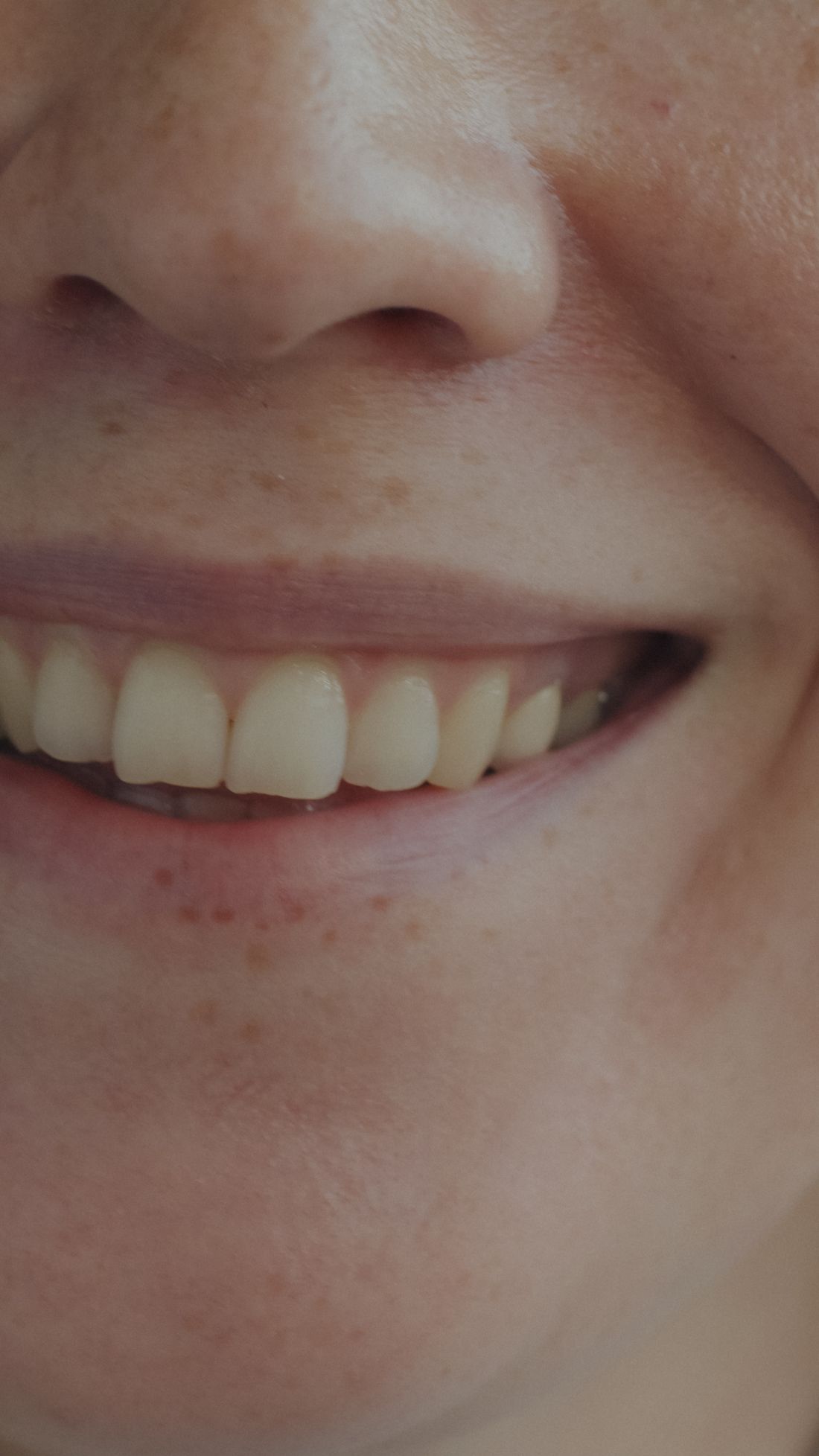
Tooth 11 is your upper left canine, the pointed eye tooth. Learn where it sits, its FDI and Palmer numbers, and the problems that most often affect it.
Reviewed by the toothcheck Dental Team Independent dentist providing online second opinions.
If your dentist, a treatment plan or an X-ray report mentions tooth 11, they are talking about one specific tooth: the pointed canine at the upper left corner of your smile. It is often called the eye tooth because it sits roughly below the eye, and it is one of the most structurally important teeth in your mouth.
This guide explains where tooth 11 is, how it is labeled in the three common numbering systems, what it does, and the problems that most often affect it. It is general education, not a diagnosis of your own tooth.
Quick Answer
Tooth 11 is the upper left canine (cuspid) in the US Universal numbering system. In FDI notation it is tooth 23, and in Palmer notation it is upper left 3. It is the mirror of tooth 6, the upper right canine. Canines are the pointed corner teeth with the longest roots in the mouth.
Where Tooth 11 Is Located
Count from the middle of your upper teeth. The two central incisors are the front pair. Next to the left central incisor (tooth 9) is the left lateral incisor (tooth 10). Immediately after that comes tooth 11, the canine. Behind it are the premolars, starting with tooth 12.
You can find it with your tongue: it is the first tooth in the upper left that comes to a point rather than a flat edge. It sits at the curve of the dental arch, where the front of your mouth turns toward the sides.
Numbering Systems for Tooth 11
Dentists in different countries label teeth differently, which is why the same tooth can appear under different numbers on different paperwork. In the US, the Universal system numbers teeth 1 to 32 starting at the upper right third molar and ending at the lower right third molar. For more detail, see our guide to dental tooth numbering explained.
| System | Label for this tooth |
|---|---|
| US Universal | 11 |
| FDI (international) | 23 |
| Palmer | Upper left 3 |
| Plain English | Upper left canine, cuspid or eye tooth |
If you are reading a report from a clinic abroad, a 23 almost certainly means this same tooth. If you want to check which tooth is which on your own image, our walkthrough on how to identify tooth numbers on an X-ray can help.
What a Canine Does
Canines are built differently from the teeth around them. Incisors cut, molars grind, and canines grip and tear. Tooth 11 has a single pointed cusp and the longest root of any tooth in the mouth, which anchors it firmly in the jawbone.
Three jobs stand out:
- Guiding the bite. When you move your jaw side to side, the canines often take the lead and separate the back teeth so they do not grind against each other. This is called canine guidance, and it protects the premolars and molars from heavy side forces.
- Supporting the arch and smile. The canine is a corner post of the dental arch. It supports the lip, shapes the line of the smile and keeps the front teeth in their proper position.
- Tearing food. The pointed tip is good at gripping and tearing, such as when you bite into an apple or tough meat.
Because of this load-bearing role, losing a canine can change how your bite works, which is why dentists usually try hard to keep them.
Common Problems With Tooth 11
Canines resist decay better than molars because of their smooth, pointed shape, but they are not trouble-free.
Impaction. The upper canine is one of the most commonly impacted teeth after the wisdom teeth. It erupts late, usually around age 11 to 13, and has a long path from high in the jaw down to its final position. If space is short or the path is off, the tooth can stay buried or come in sideways. Signs include a baby canine that does not loosen, a missing canine well into the teens, or a bump in the gum above the tooth. An impacted canine is confirmed on X-ray, and treatment often involves an orthodontist exposing the tooth and gently guiding it into place. Leaving it untreated can affect the roots of neighboring teeth, so it is worth discussing early.
Gum recession and root sensitivity. Because the canine sticks out at the corner of the arch and has thin bone over its root, the gum can recede there, especially with aggressive brushing or a heavy bite. This exposes the root, which can be sensitive and more prone to wear near the gumline.
Wear and chipping. Heavy canine guidance, grinding and clenching can flatten or chip the pointed tip over time. Mild wear is common and often just monitored.
Trauma. Because it is long and prominent, the canine can be chipped or loosened by a hit to the face.
Decay. Less common than on molars, but cavities can still form, particularly at the gumline where the root is exposed.
Treatment Options People Are Often Offered
Depending on the problem, a plan for tooth 11 might include a filling or bonding for small chips and worn tips, a night guard for grinding, a gum graft for significant recession, orthodontic exposure for an impacted canine, or a crown if the tooth is badly broken down. When the issue is cosmetic, patients sometimes ask whether they need a crown or a veneer; our guide to crown vs veneer explains the difference.
Not every tooth 11 problem calls for the same level of treatment. A small chip may need only polishing or bonding, while a large crown on a healthy tooth deserves a second look.
Tooth 11 and Its Mirror, Tooth 6
Tooth 6 is the upper right canine and has the same shape and function as tooth 11. If you are curious how the pair works together, read about tooth 6, the upper right canine. Having two canines matched in length and shape helps your bite stay balanced. If only one of them is chipped, worn or missing, your dentist will usually compare it with the other side when planning treatment.
When to See a Dentist About Tooth 11
Book an appointment if you notice persistent sensitivity at the gumline of the upper left corner, a visible chip or crack, a loose tooth, swelling or a pimple-like bump on the gum above it, or if a teenager has not yet developed a canine on one side. The American Dental Association (https://www.ada.org/) recommends regular dental checkups so problems like impaction and early decay are caught before they become complicated.
FAQ
What is tooth 11? The upper left canine, also called the cuspid or eye tooth, in the US Universal numbering system.
Is tooth 11 a canine? Yes. Its mirror on the right is tooth 6.
What is tooth 11 in FDI and Palmer? FDI 23 and Palmer upper left 3.
Why do upper canines get impacted? They erupt late and travel a long way, so a lack of space or a wrong path can leave them stuck under the gum.
Does every tooth 11 problem need treatment? No. Many issues like mild wear or small chips are monitored or treated conservatively.
Final Thoughts
Tooth 11 is a small tooth with a big job: it anchors your upper left arch, guides your bite and shapes your smile. Knowing its number in each system makes it much easier to follow a dental chart, X-ray report or treatment plan.
If you have been told tooth 11 needs a crown, extraction or other significant work and you are unsure, an independent look can help. toothcheck offers an online dental second opinion from a licensed dentist for 59 dollars, usually within about 72 hours. You can also have your images checked through a dental X-ray review. This article is educational and does not replace an in-person exam.
Last medically reviewed: November 2026