Tooth 3: Your Upper Right First Molar
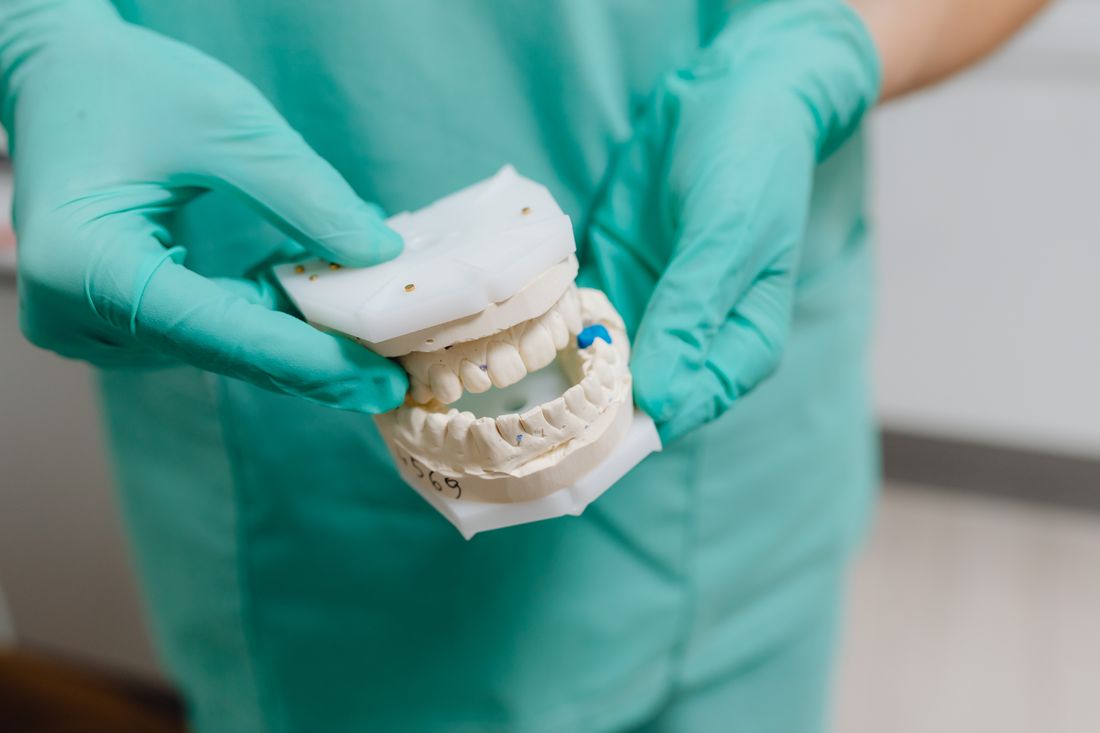
Tooth 3 is your upper right first molar (FDI 16). Learn where it sits, why it is treated so often, and when a crown or root canal on it is worth a second look.
Reviewed by the toothcheck Dental Team Independent dentist providing online second opinions.
If your dentist, an X-ray report or a treatment plan mentions "tooth 3" or "tooth #3", they are talking about one specific tooth: your upper right first molar. It is a large back tooth on the upper jaw, on your right side, and it does a lot of the heavy chewing work in your mouth.
Tooth 3 also shows up in treatment plans more often than almost any other tooth. This guide explains where it is, how it is numbered in different systems, what usually goes wrong with it, and how to think about a proposed crown or root canal on it.
Quick Answer
Tooth 3 is the upper right first molar in the Universal Numbering System used in the US. In the FDI system used internationally it is tooth 16, and in Palmer notation it is the upper right 6. It usually erupts around age 6, which is why people call it the "6-year molar". Because it carries so much chewing load and has deep grooves, it is one of the most frequently filled, crowned and root-canal-treated teeth.
Where Tooth 3 Is Located
The Universal system numbers adult teeth 1 to 32, starting at the upper right back tooth and moving across the top to the upper left, then dropping to the lower left and moving back along the bottom to the lower right. Tooth 1 is the upper right third molar (wisdom tooth), so tooth 3 is two teeth forward from the very back.
Going from the back of the upper right side toward the front, the order is:
- Tooth 1: third molar (wisdom tooth)
- Tooth 2: second molar
- Tooth 3: first molar
- Tooth 4: second premolar
- Tooth 5: first premolar
- Tooth 6: canine
So tooth 3 sits behind the premolars and in front of the second molar. If you run your tongue along the upper right side from your canine toward the back, the first big, wide, flat-topped tooth you meet is usually tooth 3.
Tooth 3 in Different Numbering Systems
Different countries and software use different charts, which is a common source of confusion when you read records from more than one dentist. Here is how this one tooth is written:
| System | How tooth 3 is written | Notes |
|---|---|---|
| Universal (US) | 3 | Adult teeth numbered 1 to 32 from upper right |
| FDI / ISO (international) | 16 | Quadrant 1 (upper right), tooth 6 |
| Palmer notation | Upper right 6 | Drawn with a bracket symbol around the 6 |
If you want a fuller walkthrough of how the charts relate to each other, see our guide to dental tooth numbering explained. If you have an X-ray in front of you and want to find a specific tooth, see how to identify tooth numbers on an X-ray.
The "6-Year Molar"
The first permanent molars usually erupt at about age 6, often before any baby teeth have been lost. They come in behind the last baby molar, so they do not replace any primary tooth. Because there is no tooth falling out to signal their arrival, parents and children sometimes do not notice them for a while, and they can be under-cleaned in the first few years.
This matters because a newly erupted molar has deep pits and fissures, and it sits in a part of the mouth that is harder to brush. Many dentists recommend sealants on first molars soon after they erupt for exactly this reason. The ADA (https://www.ada.org/) publishes general guidance on sealants and cavity prevention if you want to read more about that.
The first molar is also important for the bite. It helps set the position of the other back teeth, and losing it early can allow neighbouring teeth to drift.
Anatomy of Tooth 3
An upper first molar is the largest of the upper teeth by volume. A few features matter when it comes to treatment:
- A broad chewing surface with four main cusps, and often a small extra cusp on the tongue side.
- Deep grooves that can trap plaque and food.
- Three roots: two on the cheek side and one on the palate side. These roots spread apart, which helps anchor the tooth in the bone.
- Usually three or four root canals. The extra canal in one of the cheek-side roots is easy to miss, and is a known reason for root canals failing on upper first molars when it is not found and treated.
- The roots sit close to the floor of the maxillary sinus, so infection around this tooth can sometimes cause pressure or discomfort that feels like a sinus problem.
Common Problems With Tooth 3
Because tooth 3 has been in your mouth the longest of the molars and takes the most load, several problems show up repeatedly.
Decay in the grooves and between teeth. Cavities often start in the deep pits on top, or on the side surface touching tooth 2 or tooth 4, where floss does not always reach. Early decay between teeth is often found on bitewing X-rays before it can be seen or felt. For what decay can look like on film, see what a cavity looks like on an X-ray.
Large or failing fillings. Many people have a filling placed on tooth 3 in childhood or the teens. Over decades those fillings can leak at the edge, crack or lose their seal, and decay can form underneath.
Cracked teeth. Upper molars with big fillings can develop cracks, especially when the remaining tooth walls are thin. Symptoms are often sharp pain on biting, or pain when you release a bite.
Nerve involvement. Deep decay or a crack can reach the pulp, leading to lingering hot or cold sensitivity, spontaneous aching or swelling. That is when root canal treatment is usually discussed.
Gum and bone loss. Upper molars with multiple roots can develop bone loss in the area between the roots, which can be harder to clean and harder to treat.
When Tooth 3 Needs a Crown or Root Canal
Crowns and root canals on tooth 3 are common and often genuinely necessary. A crown is usually reasonable when a large part of the tooth is missing or cracked, when the tooth has had a root canal and needs protection, or when a very large filling is failing and cannot be simply replaced. We explain the trade-offs in crown vs filling: when you need a crown.
A root canal is generally recommended when the nerve is infected or irreversibly damaged, which usually shows up as spontaneous or lingering pain, swelling, or a dark area at the root tip on an X-ray. Our article on whether you really need a root canal walks through real examples.
Here is the honest caveat. Because tooth 3 is so commonly treated, it is also a tooth where treatment can sometimes be more than is strictly needed. Some examples of questions worth asking:
- Is the lesion early enough that it could be monitored or treated with a small filling instead of a crown?
- Is there actually a sign of nerve damage, or is the root canal being proposed as a precaution?
- Has the tooth been tested for cold response and tenderness to biting, and does the X-ray show changes at the root tip?
- Is a crown needed now, or could a well-placed filling last several more years?
None of these questions mean your dentist is wrong. They are simply the questions a second reviewer would ask when looking at the same X-rays.
Getting a Second Opinion on Tooth 3
If you have been told tooth 3 needs a crown, a root canal or extraction, a second opinion is a low-pressure way to check the plan before you commit. A licensed dentist reviews your X-rays and treatment plan and tells you whether the proposed treatment looks necessary, whether there are more conservative options, and what questions to ask next.
You do not need an appointment. Our online dental second opinion service costs 59 dollars and the written review is typically back in about 72 hours. For general background on what X-rays can and cannot show, see reading dental X-rays: what you can see.
FAQ
What is tooth 3 in dentistry? Tooth 3 is the upper right first molar in the Universal Numbering System. It is tooth 16 in FDI notation.
Is tooth 3 a molar? Yes. It is the first permanent molar on the upper right, usually erupting around age 6.
Why is tooth 3 treated so often? Deep grooves, heavy chewing load and a long time in the mouth make first molars prone to decay, large fillings, crowns and root canals.
Does tooth 3 always need a crown or root canal if it has a big cavity? No. It depends on the remaining tooth structure, how close the decay is to the nerve, and symptoms. A second opinion can help confirm whether it is needed.
How many roots does tooth 3 have? Typically three roots, two on the cheek side and one on the palate side, with three or four canals.
Final Thoughts
Tooth 3, the upper right first molar, is one of the hardest-working teeth you have, and one of the most commonly treated. That is exactly why it is worth understanding. Know where it is, know what it is called in other systems, and if you are offered a crown or root canal on it, do not be afraid to ask for a second pair of eyes on your X-rays.
If you would like an independent dentist to review your plan for tooth 3, start with our online dental second opinion. You can also learn about our dental X-ray review service.
Last medically reviewed: October 2026