Tooth 24: Your Lower Left Central Incisor
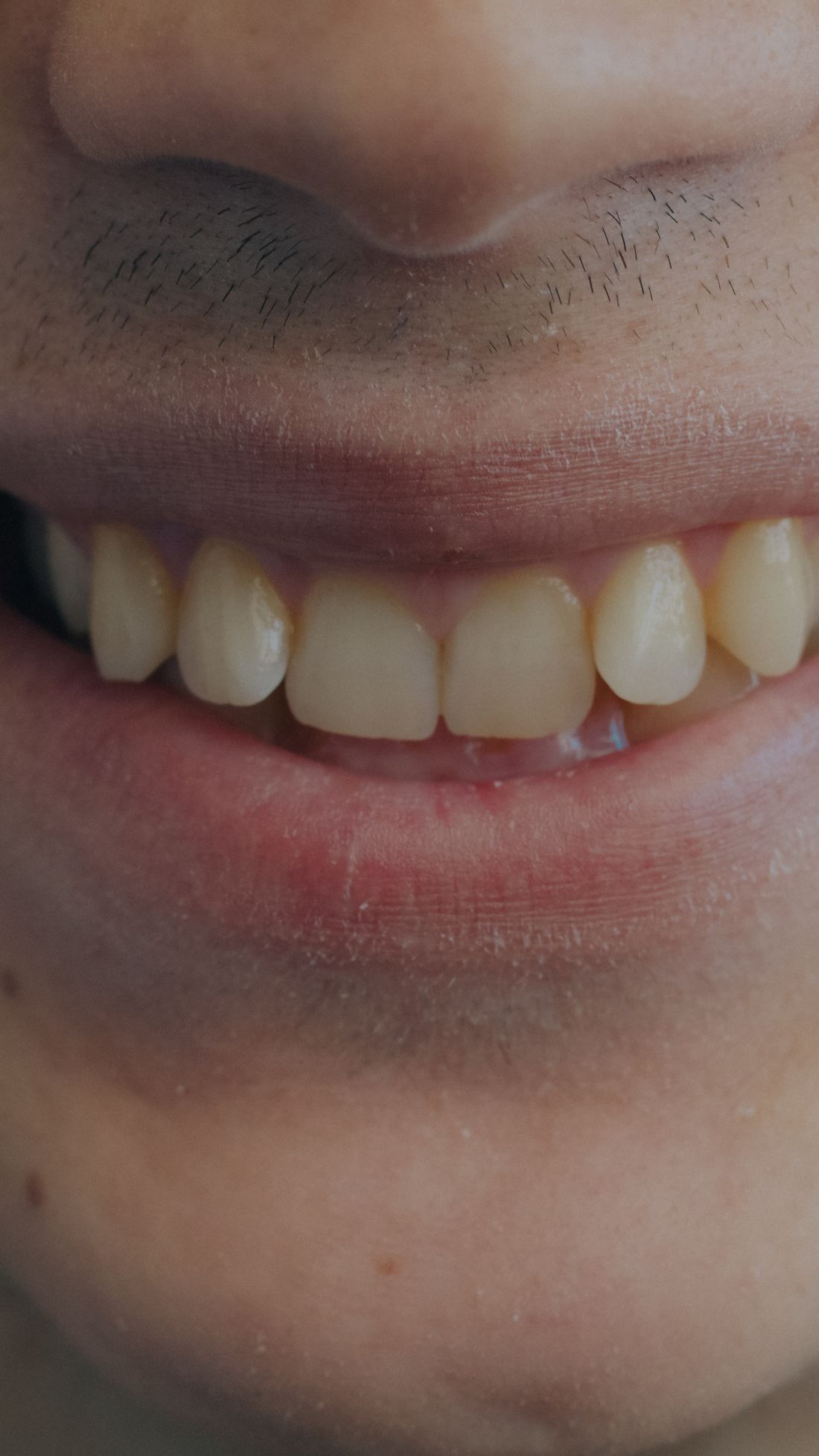
Tooth 24 is your lower left central incisor, one of the two lower front teeth. Learn where it sits, its numbering, and the problems it most often has.
Reviewed by the toothcheck Dental Team Independent dentist providing online second opinions.
If a dentist, an X-ray report or a treatment plan mentions "tooth 24", they are talking about one of your lower front teeth. It is small and easy to overlook, but it does a lot of daily work, and it is a spot where gum and tartar problems tend to start.
This guide explains exactly where tooth 24 is, how it is named in the different numbering systems, what it does, and which problems are most common. It will help you read your chart or X-ray with more confidence.
Quick Answer
Tooth 24 is the lower left central incisor in the US Universal Numbering System. It is one of the two lower front teeth, just left of the midline. In the FDI system it is tooth 31, and in Palmer notation it is lower left 1. Its right-side partner is tooth 25.
Where tooth 24 sits in your mouth
Look in the mirror and smile. In the bottom row, the two teeth at the very centre are your lower central incisors. The one just to the left of the centre line, on your own left, is tooth 24. The one just to the right is tooth 25.
Next to tooth 24, moving toward the back of the mouth on the left, comes tooth 23, the lower left lateral incisor, and then the canine. Above it, in the upper jaw, the teeth that mostly meet it when you bite are the upper front teeth, numbers 8 and 9.
Remember that charts are drawn from the dentist's point of view, facing you. On a printed chart or X-ray, tooth 24 therefore appears on the right-hand side of the lower row. This left and right flip is a very common source of confusion, and it is worth knowing before you compare your records.
How tooth 24 is numbered in each system
Dentists around the world use three main systems. All of them describe the same tooth.
| System | Name for this tooth |
|---|---|
| US Universal | 24 |
| FDI (international) | 31 |
| Palmer notation | Lower left 1 |
In the US Universal system, teeth are numbered 1 to 32, starting at the upper right third molar, running across the top to the upper left, then dropping to the lower left third molar and running across the bottom to the lower right. Tooth 24 sits in the lower row, a little past the halfway point of that count.
In FDI, the first digit gives the quadrant (3 is lower left) and the second gives the position from the midline (1 is the central incisor). That is why tooth 24 becomes 31. If you want the full picture, see our guide to dental tooth numbering explained, or learn to identify tooth numbers on an X-ray.
What a lower central incisor does
The lower central incisors are the smallest teeth in the mouth. Tooth 24 has a thin, flat, chisel-shaped crown and a single, slender root. Its job is biting and cutting: slicing through soft foods, nipping thread, and working together with the upper front teeth like a pair of scissors.
These teeth also help with speech, especially sounds made with the tongue and teeth, and they support the shape of your lower lip and the look of your smile line. Because they are narrow, they sit close together, and the bone around their roots is thin. That thin bone is part of why gum health matters so much here.
Common problems with tooth 24
Lower front teeth behave differently from back teeth. Here are the issues dentists see most often.
Tartar on the tongue side. The ducts of the saliva glands under the tongue open right behind the lower front teeth. Minerals in saliva harden plaque into tartar (calculus) quickly in this spot. Tartar cannot be brushed off, and it irritates the gums. A professional cleaning removes it. The American Dental Association (https://www.ada.org/) recommends brushing twice a day with fluoride toothpaste and cleaning between teeth daily to keep plaque under control.
Crowding and overlap. There is limited space in the lower front, so tooth 24 is often twisted or overlapping with its neighbours. Crowded teeth are harder to clean, which makes tartar and gum inflammation more likely. Crowding can also gradually return after braces if a retainer is not worn.
Gum recession. Thin gum and bone over the root can wear away from aggressive brushing, gum disease, or a tooth that sits slightly forward in the arch. Recession exposes the root, which can cause sensitivity to cold and a longer-looking tooth.
Chips and cracks. The thin edge of tooth 24 can chip from biting hard objects or from an injury. Small chips are usually smoothed or bonded. Deeper fractures are less common here, but they do happen. See what a cracked tooth looks like on an X-ray for the signs a dentist looks for.
Wear. Grinding or clenching can flatten the biting edge over the years.
Decay. Cavities are less common on lower incisors than on molars. The surfaces are smooth, and saliva constantly washes over them. When decay does happen, it is usually between teeth or near the gum line, often in people with dry mouth or heavy recession.
Gum disease. Because of the thin bone and the heavy tartar build-up, the lower front teeth are often among the first to show bone loss in periodontal disease. Bleeding gums or a tooth that feels slightly loose should be checked.
What your dentist may check on tooth 24
At a routine visit, your dentist looks at the gum level around tooth 24, measures the small pockets between gum and tooth, and checks for tartar and mobility. On an X-ray, they look at the bone height around the root, the tip of the root for signs of infection, and any decay between the lower front teeth.
If a plan recommends a filling, a root canal, a crown or an extraction on tooth 24, ask which finding is driving it. A root canal or crown on a lower incisor is less common than on a molar, so the reason deserves a clear explanation. Our page on dental X-ray review explains how an independent look at your images works.
When your X-ray report mentions tooth 24 together with tooth 25, the pair is often being described as a unit. Read more about its partner in tooth 25, the lower right central incisor.
FAQ
What is tooth 24? It is the lower left central incisor, one of the two lower front teeth.
What is the FDI number for tooth 24? Tooth 31. In Palmer notation it is lower left 1.
Is tooth 24 on my left or right? On your left, just beside the midline of the lower jaw. On a chart drawn from the dentist's view it appears on the right side of the diagram.
Why does tartar form behind my lower front teeth? Saliva ducts open right behind them, and minerals in saliva harden plaque into tartar there.
Do lower incisors get cavities often? Not as often as molars. Gum problems, recession and chips are more common.
Final Thoughts
Tooth 24 is small, but it is a key part of your bite and your smile, and it is often where tartar and gum trouble first appear. Knowing that it is the lower left central incisor, FDI 31, makes your records much easier to follow.
If your dentist has recommended major work on a front tooth and you are not sure it is needed, an independent opinion can help. toothcheck is an online dental second opinion: a licensed dentist reviews your X-rays and treatment plan and sends you a plain-English report within about 72 hours, for 59 dollars. Learn more about getting an online dental second opinion.
Last medically reviewed: November 2026