Tooth 25: Your Lower Right Central Incisor
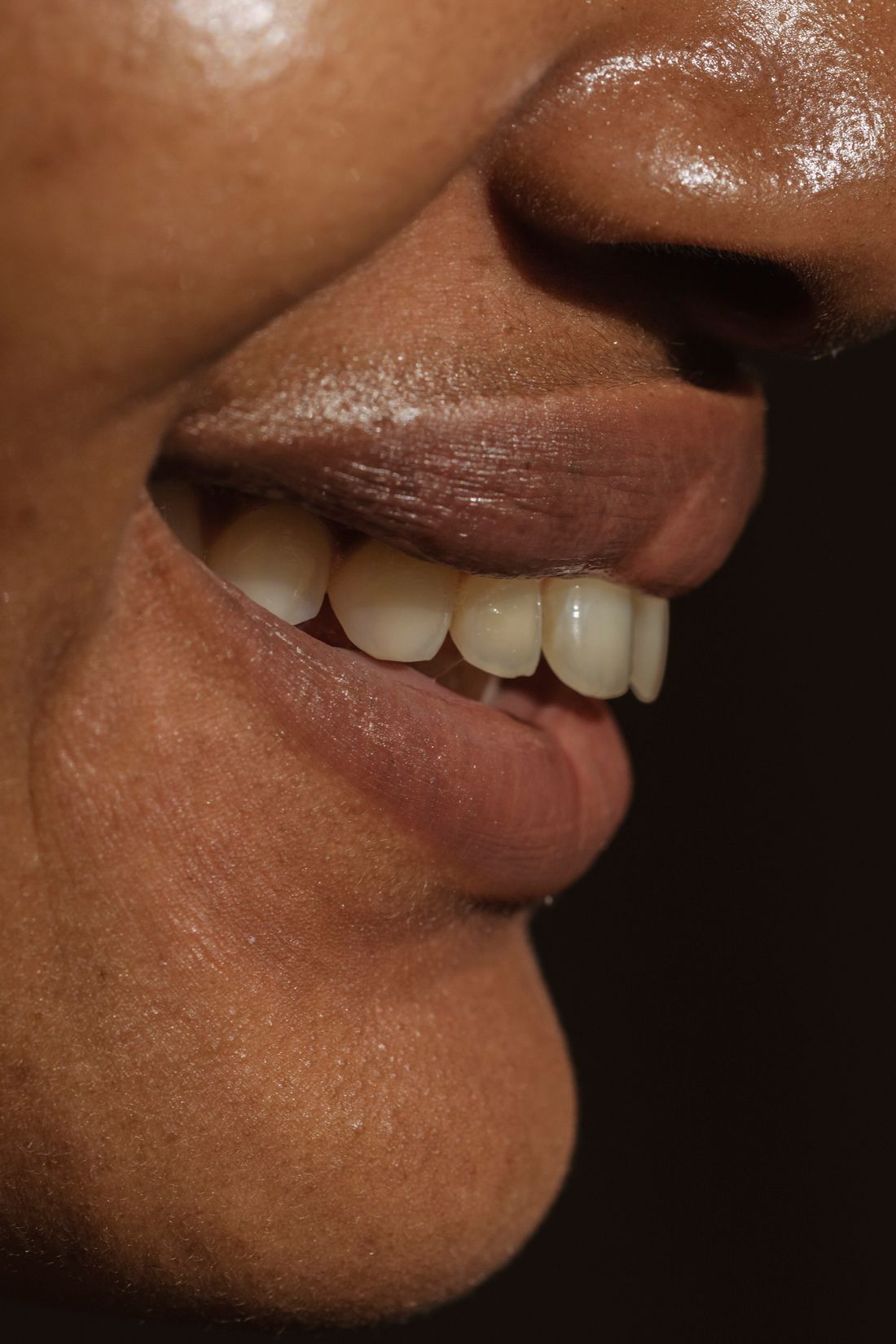
Tooth 25 is your lower right central incisor, a small front tooth next to the midline. Learn where it sits, its FDI and Palmer numbers, and common problems.
Reviewed by the toothcheck Dental Team Independent dentist providing online second opinions.
If your dentist, a chart or an X-ray report mentions tooth 25, they mean one of your lower front teeth. It is the lower right central incisor, a small, narrow tooth that sits right beside the midline of your lower jaw. It is easy to overlook because it is so small, but it does real work every time you bite into food.
This guide explains where tooth 25 is, how the different numbering systems label it, what it does, and which problems are most likely to affect it. Understanding the chart makes it much easier to follow a treatment plan or a dental report.
Quick Answer
Tooth 25 is the lower right central incisor in the US Universal Numbering System. It is the lower front tooth just to the right of the midline, and its partner on the left of the midline is tooth 24. In FDI notation it is tooth 41, and in Palmer notation it is lower right 1. It is a small, single-rooted tooth used for cutting and biting.
Where Tooth 25 Is Located
Your lower teeth are numbered 17 to 32 in the Universal system. Numbering begins at the lower left back tooth (17), runs around the lower arch to the front, then continues to the lower right back tooth (32). Tooth 25 is the first tooth to the right of the midline, counting from the patient point of view.
On a dental chart, "right" and "left" refer to the patient's right and left, not the viewer's. That is why tooth 25 appears on the left side of a standard chart diagram when you look at it face on. If you are still getting used to this, our guide to dental tooth numbering walks through the whole chart, and the guide to identifying tooth numbers on an X-ray shows how to find a tooth on an image.
Tooth 25 sits directly next to tooth 24, the lower left central incisor. Together they form the two center teeth at the bottom of your smile.
Tooth 25 Numbering at a Glance
| System | Label for this tooth | Meaning |
|---|---|---|
| US Universal | 25 | Lower right central incisor |
| FDI (international) | 41 | Quadrant 4, tooth 1 |
| Palmer | Lower right 1 | First tooth from the midline, lower right |
| Neighbor toward midline | Tooth 24 | Lower left central incisor |
| Neighbor away from midline | Tooth 26 | Lower right lateral incisor |
If you see "41" on an international report or "LR1" on a Palmer-style chart, it is the same tooth.
What a Lower Incisor Does
The lower central incisors are the smallest teeth in the mouth. Each has a thin, flat, chisel-shaped crown and a single root. Their job is to cut and shear food, for example when you bite into an apple or a sandwich. They work with the upper incisors like a pair of scissors.
They also help with speech, especially sounds that depend on the tongue and front teeth, and they support the shape of your lower lip and chin area. Because the root is slim and the surrounding bone is thin, these teeth are more sensitive to gum disease and bone loss than larger teeth.
Common Problems With Tooth 25
Tartar build-up. The tongue side of the lower front teeth is one of the most common places for tartar. The salivary gland openings under the tongue sit close by, and minerals in saliva harden plaque into calculus. Tartar cannot be brushed away and needs professional removal. Left alone, it irritates the gums and can lead to gum disease.
Crowding. The front of the lower jaw has limited space, and the lower incisors are narrow. Overlap, twisting and crowding are common, and often become more noticeable over time. Crowded teeth are harder to clean, so plaque and tartar can collect in the overlaps.
Gum recession. Thin gum tissue and thin bone over the lower incisors make recession more likely, especially with hard brushing, gum disease or teeth that sit forward in the bone. Recession exposes root surface, which can cause sensitivity and make the tooth look longer.
Chips and wear. The thin biting edge can chip, particularly if you bite on hard items or grind your teeth. Small chips are often smoothed or repaired with bonding. For more serious damage, a dentist may check for deeper trouble, and our guide on what a cracked tooth looks like on an X-ray explains what imaging can and cannot show.
Cavities. Decay is uncommon on lower incisors. They are smooth, easy to reach and constantly washed by saliva. When decay does appear, it is often near the gumline, in people with dry mouth, recession or frequent sugary snacking.
Looking After Your Lower Front Teeth
The American Dental Association (https://www.ada.org/) recommends brushing twice a day with fluoride toothpaste and cleaning between your teeth daily. For the lower incisors, a few habits help most:
- Angle the brush toward the gumline on the tongue side, where tartar forms first.
- Use a soft brush and light pressure to protect thin gums.
- Clean between the lower front teeth with floss or a small interdental brush, especially if they are crowded.
- Keep regular cleanings, since tartar needs professional removal.
- If you grind your teeth at night, ask about a night guard.
What Your X-ray Can Show
On a bitewing or periapical X-ray, tooth 25 appears as a narrow tooth with a single root and a thin pulp canal. A dentist looks at the bone level around it, the width of the ligament space and the tooth outline. Bone loss between the lower front teeth is a key sign of gum disease, and X-rays can reveal tartar deposits and any signs of infection at the root tip.
Because lower incisors are small and close together, subtle findings are easy to miss or over-read. If your report mentions bone loss or a problem with a lower front tooth and you are not sure what it means, a dental X-ray review can explain it in plain language.
When to See a Dentist
Book a visit if tooth 25 or its neighbors become loose, if the gums around them bleed, swell or pull back, if you notice a new chip, or if the tooth is sensitive to hot and cold. A tooth that has moved, or that feels different when you bite, deserves a check sooner rather than later.
FAQ
What is tooth 25? It is the lower right central incisor, one of the two lower front teeth.
What is tooth 25 in FDI? It is tooth 41 in FDI, and lower right 1 in Palmer notation.
Why does tartar build up on lower front teeth? They sit near the salivary gland openings, so minerals in saliva harden plaque quickly on the tongue side.
Do lower front teeth get cavities? Not often. Gum disease, tartar and chips are more common.
Can lower incisors be crowded? Yes. The space is limited and the teeth are narrow, so crowding is common.
Final Thoughts
Tooth 25 is small, but it matters for biting, speech and the look of your lower smile. Knowing its number helps you follow your chart, your X-ray report and any treatment plan that mentions it.
If a dentist has recommended treatment involving tooth 25 or any of your lower front teeth and you want a clear, independent view, toothcheck offers an online dental second opinion. A licensed dentist reviews your X-rays and treatment plan, and you get a plain-English report in about 72 hours for 59 dollars.
Last medically reviewed: November 2026