Tooth 8: Your Upper Right Central Incisor (Front Tooth)
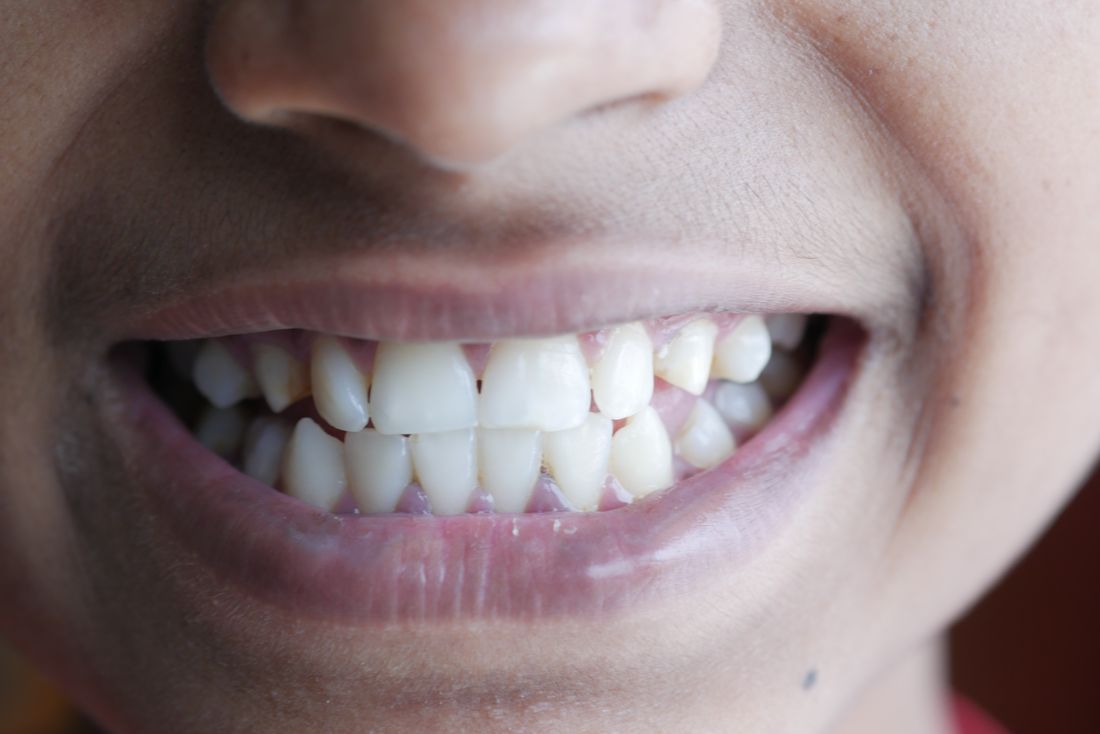
Tooth 8 is your upper right central incisor, a front tooth. Learn where it sits, its FDI and Palmer numbers, common problems, and when to get a second opinion.
Reviewed by the toothcheck Dental Team Independent dentist providing online second opinions.
If your dentist, an X-ray report, or a treatment plan mentions "tooth 8" or "tooth #8", they are talking about one of the most visible teeth in your mouth: your upper right central incisor. It is a front tooth, and it is one half of the pair that dominates your smile.
Because it is so prominent, problems with tooth 8 tend to get noticed quickly, and treatment plans for it can range from a simple repair to a crown, veneer or root canal. This guide explains exactly where tooth 8 is, how it is numbered in different systems, what commonly goes wrong with it, and what to ask before agreeing to work on it.
Quick Answer
Tooth 8 is the upper right central incisor in the Universal Numbering System used by US dentists. It is one of your two upper front teeth, located just to the right of the center line of your upper jaw. In the FDI system it is tooth 11, and in Palmer notation it is the upper right 1. Its partner on the left side of the midline is tooth 9.
Where Tooth 8 Sits in Your Mouth
The Universal Numbering System numbers adult teeth 1 to 32. Numbering starts at the upper right back molar (tooth 1, usually the upper right third molar or wisdom tooth), runs across the upper teeth to the upper left back molar (tooth 16), then drops to the lower left back molar (tooth 17) and runs along the bottom to the lower right back molar (tooth 32).
Because tooth 1 is at the far upper right and tooth 16 is at the far upper left, the middle of the upper arch falls between tooth 8 and tooth 9. That means:
- Tooth 8 is the upper tooth closest to the midline on the patient's right side.
- Tooth 9 is the upper tooth closest to the midline on the patient's left side.
- Together, teeth 8 and 9 are your two upper central incisors.
Dentists describe left and right from the patient's perspective, not the viewer's. If you look in a mirror, tooth 8 appears on the left side of the mirror image, which is a common source of confusion. For a fuller walkthrough of the system, see our guide to dental tooth numbering explained.
Tooth 8 in Different Numbering Systems
Different countries and different dental software use different systems, so you may see tooth 8 written in more than one way.
| System | How tooth 8 is written |
|---|---|
| Universal (US) | 8 |
| FDI / ISO (international) | 11 |
| Palmer notation | Upper right 1 |
| Anatomical name | Upper right central incisor |
If you received a report from a dentist outside the US, "tooth 11" or "UR1" is likely the same tooth that a US dentist would call tooth 8. Always check which system a document uses before comparing it to another.
What Tooth 8 Does
The central incisors are built for cutting and shearing food, such as biting into an apple or tearing a piece of bread. They have a thin, flat, blade-like biting edge rather than the cusps found on back teeth.
Tooth 8 also does a lot of work you do not think about:
- Smile and appearance. The central incisors are the most visible teeth when you smile, so their size, color and alignment have an outsized effect on how your smile looks.
- Speech. Your upper front teeth help you form sounds such as f, v, s and th, because your tongue and lips contact them.
- Lip support. The position of your front teeth helps support your upper lip.
Tooth 8 normally has a single root. On a dental X-ray taken from the front, that root appears as one long, tapered shape reaching up into the jawbone, with a single narrow canal running through it. If you want to learn how to pick out individual teeth on your own images, see how to identify tooth numbers on an X-ray.
Common Problems With Tooth 8
Front teeth are exposed and sit right at the front of your face, so they are more vulnerable to some problems than others.
Chips and fractures from trauma
Central incisors are the teeth most often hit in falls, sports injuries and accidents. A small chip on the biting edge is often cosmetic and may be smoothed or repaired with tooth-colored bonding. A deeper fracture can expose the inner layers of the tooth, causing sensitivity or pain. A crack that runs toward the root is more serious. For a look at how fractures can show up on imaging, see what a cracked tooth looks like on an X-ray.
Decay between the front teeth
Cavities can form on the surfaces where tooth 8 touches tooth 9 or tooth 7, the upper right lateral incisor. These spots are hard to see by eye and are often found first on an X-ray. Early decay can sometimes be treated with a small filling, so it is worth catching before it grows.
Darkening or discoloration
A front tooth that turns gray, brown or pink-tinged, especially after an injury, can signal that the nerve tissue inside has been damaged or has died. This is one of the situations where a root canal may be needed, but it is not automatic. A dentist should check the tooth with an exam, a bite and temperature test, and an X-ray to look for signs of infection at the root tip. Discoloration can also come from surface stains, old fillings, or tooth whitening that did not take evenly, so the cause matters before a plan is made.
Gum recession and sensitivity
Because the roots of front teeth are thin and the bone and gum covering them is often slim, gum recession can show up here. Exposed root surface can feel sensitive to cold air or drinks.
Cosmetic concerns
Many people ask about tooth 8 because of how it looks: a chipped edge, a gap, an uneven length, or a color that does not match tooth 9. Options include whitening, bonding, veneers, crowns and sometimes orthodontic treatment.
Crowns, Veneers and Root Canals on a Front Tooth
Cosmetic and restorative work on front teeth is highly visible and often expensive, so it is worth understanding what is actually necessary.
- Bonding adds tooth-colored resin to repair small chips or close small gaps. It removes little or no healthy tooth structure and is often the most conservative option.
- Veneers are thin shells attached to the front of the tooth, usually for cosmetic change. They typically need some enamel to be removed, which is permanent.
- Crowns cover the whole tooth and are more often needed when a tooth is heavily broken down, has large decay, or has had a root canal. They involve removing more tooth structure than a veneer.
- Root canal treatment removes damaged or infected nerve tissue from inside the tooth. It may be needed if the nerve has died or become infected, and the tooth is usually restored afterward, sometimes with a crown.
Honestly, these are not interchangeable, and a front tooth that is only chipped or slightly discolored does not automatically need a crown. If you are weighing options, our guide to crown vs veneer explains how dentists usually decide between them.
Questions to Ask Before Treatment on Tooth 8
If tooth 8 has been recommended for treatment, these questions help you understand the plan:
- What exactly is wrong with this tooth, and can you show me on the X-ray or photo?
- Is this treatment needed for health, or is it cosmetic and optional?
- What is the most conservative option, and why are you recommending something different?
- How much natural tooth will be removed?
- What happens if I wait, or choose to monitor it?
- How long can I expect the restoration to last, and what will it cost to replace later?
The American Dental Association (https://www.ada.org/) also publishes consumer information on common dental procedures if you want a neutral overview.
FAQ
What is tooth 8? Tooth 8 is the upper right central incisor in the US Universal Numbering System, one of your two upper front teeth.
Is tooth 8 a front tooth? Yes. It sits just right of the midline in the upper jaw, next to tooth 9.
What is tooth 8 in the FDI system? Tooth 11. In Palmer notation, it is the upper right 1.
Is a dark front tooth always a root canal? No. It can mean nerve damage, but staining or old restorations can also change color. It should be examined and X-rayed before a decision is made.
Final Thoughts
Tooth 8 is a small tooth with a big job, both in how you chew and in how your smile looks. Knowing that it is the upper right central incisor, tooth 11 in FDI and upper right 1 in Palmer, makes it much easier to follow what your dentist is saying and to read your own records.
If you have been told that tooth 8 needs a crown, veneer or root canal and you are not sure the plan fits your situation, an online dental second opinion can help. A licensed dentist reviews your X-rays and treatment plan, and you get a written report, typically within about 72 hours, for 59 dollars. You can also see how dental X-ray review works if you want a closer look at your images. It is not a replacement for an in-person exam, but it can help you decide whether to go ahead, ask for a more conservative option, or get another exam.
Last medically reviewed: October 2026