Tooth 9: Your Upper Left Central Incisor (Front Tooth)
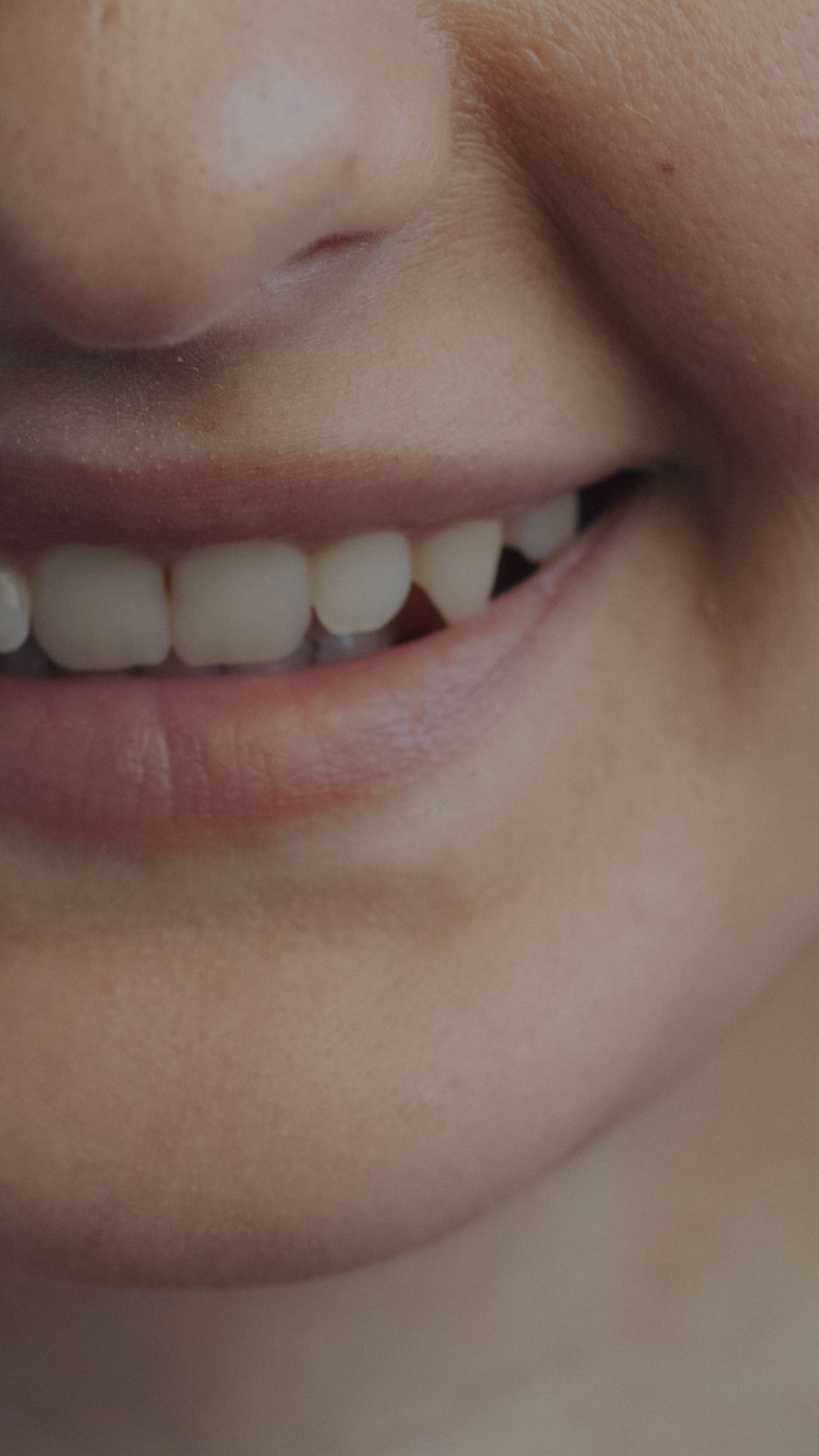
What is tooth 9? It is your upper left central incisor, one of the two front teeth. Where it sits, common problems, and when to get a second opinion.
Reviewed by the toothcheck Dental Team Independent dentist providing online second opinions.
If your dentist, an X-ray report, or an insurance estimate mentions "tooth 9", they are talking about one of the most visible teeth in your mouth. It is a front tooth, so a chip, a dark shade, or a crown recommendation on it tends to get attention fast, and often a sizeable price tag with it.
This guide explains exactly where tooth 9 is, how it is named in different numbering systems, what commonly goes wrong with it, and which recommendations are worth double-checking before you agree to them.
Quick Answer
Tooth 9 is the upper left central incisor in the Universal Numbering System used in US dental offices. It is the front tooth just left of the midline of your upper jaw. Tooth 9 and its mirror image, tooth 8, are your two upper front teeth. In the FDI system it is tooth 21, and in Palmer notation it is upper left 1.
Where Tooth 9 Sits in Your Mouth
Your upper teeth are numbered 1 to 16 in the Universal system, starting at the upper right back molar (tooth 1) and moving across the arch to the upper left back molar (tooth 16). The middle of that sequence lands at the midline of your smile: tooth 8 is the last tooth on the right side, and tooth 9 is the first on the left.
One detail trips people up. Dentists number from the patient's point of view, so "upper left" means the left side of your own mouth. In a mirror, tooth 9 appears on the right of the image. In a photo someone else takes of you facing the camera, it also appears on the right of the picture.
Tooth 9 is a central incisor. Incisors are the flat, thin-edged teeth at the front, designed for biting and cutting food. Centrals are the two in the very middle, and they are usually the broadest of the four upper incisors. The tooth next to it, tooth 10, is the lateral incisor, which is typically a little smaller and narrower.
A central incisor normally has a single root. That matters when it comes to treatment, because a single-rooted tooth with one main canal is generally more straightforward to treat with a root canal than a molar with several canals. It is also why a tooth in this position is usually extractable and replaceable in more predictable ways, although a dentist will want to see an X-ray before saying so for your specific tooth.
If you want a broader walkthrough of how the whole system works, see our guide to dental tooth numbering explained. Tooth 9 is also the mirror of tooth 8, the upper right central incisor, so many of the points below apply to both.
Tooth 9 in Different Numbering Systems
The same tooth is labeled differently depending on where your dentist trained or practices. If you have records from more than one country, this table helps you match them up.
| System | Label for this tooth | Notes |
|---|---|---|
| Universal (US) | 9 | Teeth numbered 1 to 32, starting upper right back molar |
| FDI (international) | 21 | First digit is the quadrant (2 = upper left), second is the position from the midline (1 = central incisor) |
| Palmer | Upper left 1 | A grid symbol with the number 1 in the upper left quadrant |
If someone quotes you "tooth 21" and you are in the US, do not assume it is a different tooth from tooth 9. Check which numbering system the paperwork uses. In the Universal system, there is also a real tooth 21, which is a lower left premolar, so mixing up systems can lead to genuine confusion about which tooth is being treated.
Why Tooth 9 Gets So Much Attention
Because tooth 9 sits at the front, small changes are easy to see, and they matter to how people feel about their smile. That visibility is also why it is a common target for cosmetic work. Some of that work is genuinely helpful. Some of it is optional, and a few recommendations are oversold. Knowing the difference helps you decide.
Common Problems With Tooth 9
Chips, cracks, and trauma
Front teeth are exposed to knocks from sports, falls, and accidents, and they are the teeth most commonly broken in childhood and adolescence. The edge of tooth 9 can chip, a corner can break off, or the whole tooth can be loosened or pushed out of position.
A small edge chip can often be smoothed or rebuilt with bonding in a single visit. A larger fracture, especially one that exposes the pinkish inner layer or reaches the nerve, needs a prompt dental exam. A tooth that has been knocked out entirely is a genuine emergency, and getting to a dentist within the hour gives the best chance of saving it.
Cracks that run vertically into the root are harder to spot and can be serious. If you are curious about how those look on imaging, see what a cracked tooth looks like on an X-ray.
Decay between the front teeth
The surfaces where tooth 9 touches tooth 8 and tooth 10 are narrow and hard to clean. Decay can begin there without any visible hole from the front, which is why dentists use bitewing and periapical X-rays to find it. Early decay between teeth can sometimes be managed with fluoride and better cleaning, while more advanced decay needs a filling.
For a front tooth, a filling placed from behind (the tongue side) can often preserve more of the visible surface than a large front-facing repair. That is worth asking about if a filling is recommended.
A tooth that is turning darker
A single front tooth that gradually turns gray, brown, or yellow-gray, particularly after an old injury, may have a nerve that has been damaged or has died. Sometimes the discoloration shows up months or years after the original knock.
This is not always an emergency, but it is worth getting examined. A dentist can check the tooth with an X-ray, test how it responds to cold, and look at the bone around the root tip for signs of infection. If the nerve has died and the area is infected or inflamed, a root canal is usually the standard treatment. If there are no signs of infection, some dentists monitor the tooth, or try internal whitening to improve its color.
Gum recession and gum health
Gum tissue around tooth 9 can pull back from brushing too hard, gum disease, or the way the teeth meet. Recession exposes the root, can cause sensitivity, and changes how the tooth looks. Whether it needs treatment depends on how fast it is progressing and how much it bothers you.
Cosmetic work: bonding, veneers, and crowns
Because tooth 9 is so visible, it is often the centerpiece of cosmetic treatment. The main options are:
- Bonding: tooth-colored resin shaped onto the tooth. It is usually the least invasive and most reversible option, though it can stain or chip over time.
- Veneers: thin shells bonded over the front of the tooth. They usually involve removing a layer of enamel and are generally considered permanent.
- Crowns: caps that cover the whole tooth, typically needed after a large fracture, a root canal, or extensive decay.
Cosmetic work on a front tooth is elective in most cases, and the right choice depends on how much healthy tooth you have left, your bite, and what you want. If you are weighing options, our guide to crown vs veneer explains how dentists tend to choose between them.
What to Question Before Agreeing to Treatment on Tooth 9
Treatment on a front tooth should be driven by a clear reason, not just appearance alone. Questions worth asking:
- What exactly is wrong with the tooth, and can I see it on the X-ray or in a photo?
- Is this treatment needed now, or could it be monitored?
- Is there a less invasive option, such as bonding instead of a veneer or crown?
- If you recommend a root canal, what test or X-ray finding shows the nerve is affected?
- If you recommend a crown, how much natural tooth will you need to remove?
- What happens if I wait six months?
Those questions apply to any tooth, but they carry more weight on a front tooth because crowns and veneers cannot be undone. The American Dental Association (https://www.ada.org/) offers general patient information on common restorations and procedures if you want neutral background reading before an appointment.
When a Second Opinion on Tooth 9 Makes Sense
A second opinion is worth considering when:
- You have been told tooth 9 needs a crown, veneer, or root canal and the reason is not clear to you.
- Two dentists have given you different recommendations.
- The quote seems high compared to the problem you can see or feel.
- The plan involves removing a lot of healthy tooth structure for cosmetic reasons.
- You want to understand your X-rays before you commit.
A second opinion does not mean your first dentist is wrong. Often it confirms the plan, which gives you confidence. Occasionally it points to a more conservative option, or a different order of treatment. Either way, you end up making the decision with more information. If you want to understand what your own X-ray is showing, our guide on reading dental X-rays is a good starting point.
FAQ
What is tooth 9? It is the upper left central incisor, the front tooth just left of the midline, from your own point of view.
Is tooth 9 the same as tooth 21? Yes. Tooth 21 is the FDI label for the same tooth. Note that in the US Universal system, tooth 21 is a different tooth, a lower left premolar.
Does a chipped tooth 9 always need a crown? No. Small chips are often repaired with bonding. Crowns are usually for larger breaks or teeth that have had a root canal.
Is a darker tooth 9 always a dead tooth? No, but it should be checked, especially if it changed after an injury.
Final Thoughts
Tooth 9 is one half of your upper front pair, and because everyone sees it, decisions about it can feel pressured. Understanding where it is, what it is called, and what the realistic options are puts you in a better position to ask good questions.
If you have been quoted a crown, veneer, or root canal on tooth 9 and want an independent view, you can get an online dental second opinion from a licensed dentist. You upload your X-rays and treatment plan, and receive a written review in about 72 hours for 59 dollars. You can also read more about what we look at in our dental X-ray review service.
Last medically reviewed: October 2026